Choosing the right supplier for Scherer windows and doors requires more than comparing online prices. Buyers must examine product quality, installation skill, warranty coverage, and after-sales support.
This guide reviews seven notable Scherer windows and doors suppliers for residential and commercial buyers. Each supplier is considered through practical purchasing criteria, including frame materials, glass options, energy performance, customization, and delivery reliability. A strong supplier should explain U-values, glazing choices, hardware specifications, and maintenance needs in clear language. Vague promises are not enough.
Look closely at the details.
A dependable company should provide written quotations, current product documentation, installation references, and realistic lead times. Local climate also matters. Coastal homes may need corrosion-resistant hardware, while colder regions require better insulation and weather sealing. Buyers should also confirm whether installation is handled by trained professionals or outsourced without clear accountability.
No ranking fits every project perfectly. Budget, architectural style, opening sizes, and local building requirements can change the best choice. That is worth admitting. A supplier with the lowest quote may create higher costs through delays, poor fitting, or limited support. Before signing, request sample finishes, inspect previous installations, and compare warranty terms carefully. This overview aims to support informed decisions with practical evidence, while recognizing that supplier performance can vary by location and project.
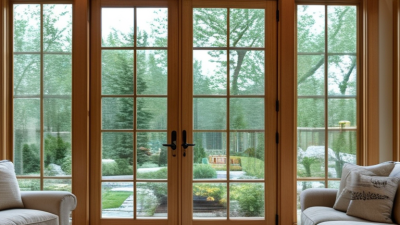
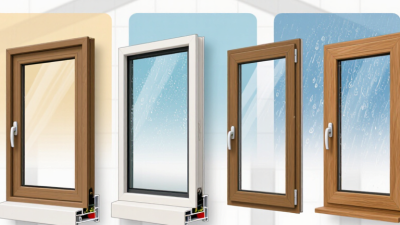
Scherer windows and doors are usually evaluated as a matched system for daylight, ventilation, security, and weather protection. Buyers often choose them for coordinated profiles, tight seals, and flexible opening styles. A well-fitted unit should close smoothly, resist drafts, and keep rain away from interior finishes. These details matter more than attractive brochures.
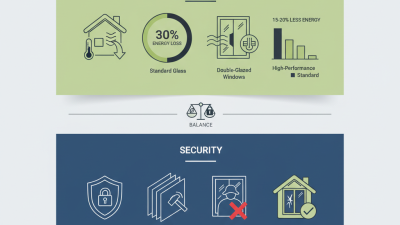
The U.S. Department of Energy reports that windows can cause 25–30% of residential heating and cooling energy use. Therefore, buyers should compare U-factor, solar heat gain coefficient, air leakage, and visible transmittance. The National Fenestration Rating Council explains that these ratings support fair product comparisons. Lower U-factor generally helps in cold climates, while a lower solar heat gain coefficient can reduce summer heat. Still, performance depends on installation. Even an excellent window can fail beside a poorly sealed frame. I have seen specifications look impressive, yet the room remained uncomfortable. That deserves careful reflection.
Tips: Request the full performance label, installation method, warranty terms, and service response time. Check corner joints and hardware before delivery. Ask whether replacement parts remain available locally. The 2023 International Energy Conservation Code also highlights the importance of climate-specific fenestration requirements. Do not choose by glass appearance alone. A quiet showroom cannot reveal wind noise, drainage problems, or seasonal expansion. Compare at least three written quotations, including removal, flashing, insulation, and finishing work.
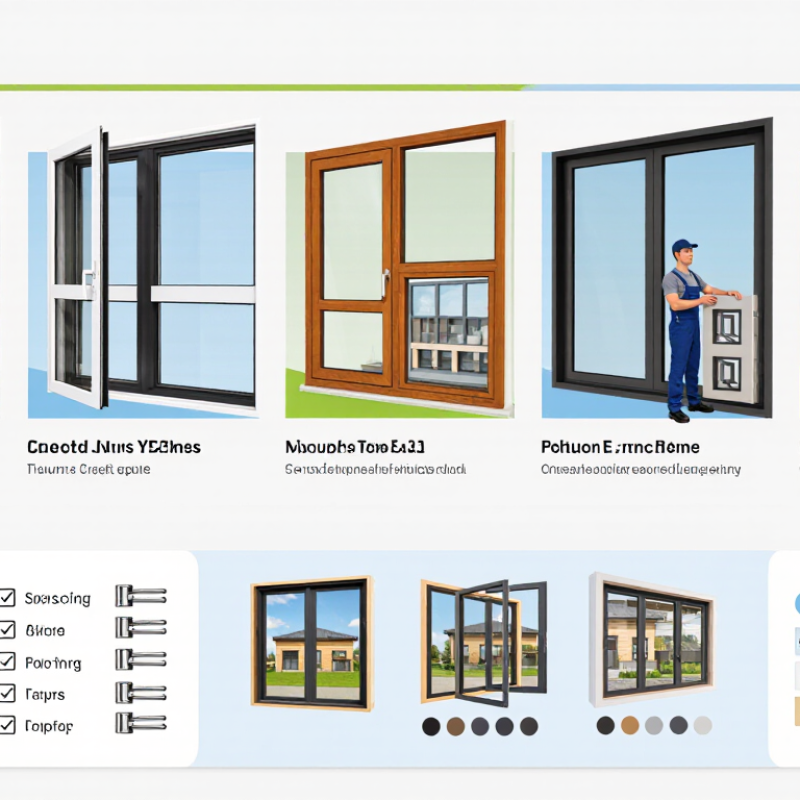
To evaluate the seven best suppliers for Scherer windows and doors, use one scorecard for every candidate. Check manufacturing experience, product certifications, warranty terms, installation training, delivery records, customization, and after-sales service. The National Fenestration Rating Council recommends comparing U-factor, solar heat gain coefficient, visible transmittance, and air leakage ratings. These figures matter more than attractive showroom displays. Ask suppliers for current test reports, not verbal promises. Small details count.
The U.S. Department of Energy states that windows can influence 25% to 30% of residential heating and cooling energy use. Therefore, compare performance ratings with your climate and building orientation. EPA guidance also indicates that certified efficient windows can reduce household energy costs by about 12% on average.
Request itemized quotations, installation photographs, and references from similar projects. Visit one completed project if possible. A low bid may hide weaker seals, poor flashing, or limited support. I have found that supplier communication often predicts installation quality, though this judgment can be imperfect. Review lead times carefully. Confirm who handles damaged glass and adjustment requests. Seven suppliers may look similar on paper, but their documentation, testing evidence, and response speed usually reveal meaningful differences.
Seven Leading Scherer Windows and Doors Suppliers for Buyers
The first supplier profile is the custom fabricator. This company suits unusual openings, tall glass panels, and nonstandard frame colors. Buyers should request measured drawings, material samples, and a written warranty. The second is the regional distributor, often useful for faster delivery and local stock. Ask about storage conditions. Poorly protected frames can arrive scratched or warped.
The third profile is the certified installation contractor. Strong products can still fail after careless fitting. Look for documented training, insurance, drainage details, and photographs of completed projects. The fourth is the energy-efficiency specialist. This supplier should explain glazing layers, thermal breaks, air leakage, and solar exposure in practical terms. The fifth is the heritage joinery supplier, which focuses on traditional proportions and repair-sensitive designs. Its work may look beautiful, but lead times can be longer.
The sixth profile is the commercial project supplier. It usually handles larger quantities, coordinated schedules, and technical submittals. Buyers should confirm delivery stages before approving the order. The seventh is the online configuration supplier, offering quick quotations and many selectable options. It can be convenient for standard sizes, though measurement mistakes remain the buyer’s responsibility. That limitation matters. Comparing these seven profiles requires more than checking prices. Review installation evidence, independent feedback, product specifications, and after-sales response times. A supplier may sound highly professional yet provide vague answers about replacement parts. That should invite careful reflection before payment.
| Supplier Profile | Primary Product Focus | Common Frame Materials | Available Glazing Options | Typical Energy-Performance Range | Common Standards and Certifications | Customization Capability | Typical Project Fit | Buyer Due-Diligence Checks |
|---|---|---|---|---|---|---|---|---|
| Profile 1 | Replacement windows, tilt-and-turn windows, fixed units, and residential exterior doors | uPVC, thermally improved aluminum, and composite frames | Double or triple insulating glass; low-emissivity coatings; argon-filled cavities; laminated safety glass where required | Typical U-factor: 0.20–0.30 Btu/h·ft²·°F Exact performance depends on size, spacer, frame, and glazing configuration |
NFRC-rated products in applicable markets; local building-code compliance; documented air, water, and structural test results | Multiple colors, hardware finishes, grille patterns, opening styles, and made-to-measure dimensions | Energy-conscious residential renovations and low-rise new construction | Request NFRC labels, tested-size limitations, installation instructions, and written warranty terms |
| Profile 2 | Large sliding doors, lift-and-slide systems, folding doors, and expansive glazed openings | Thermally broken aluminum and aluminum-clad engineered frames | Double or triple glazing; solar-control coatings; laminated or tempered safety glass; oversized glass options subject to engineering review | Typical center-of-glass U-factor: 0.15–0.28 Btu/h·ft²·°F Whole-unit performance may be lower because of frame and operating hardware |
Air, water, and structural performance testing; safety-glazing compliance; project-specific structural calculations when required | Wide panel configurations, recessed tracks, custom heights, threshold choices, and coordinated door hardware | Contemporary homes, hospitality spaces, premium renovations, and rooms requiring broad openings | Confirm maximum panel size, glass weight limits, drainage design, threshold accessibility, and replacement-part availability |
| Profile 3 | Traditional casement, awning, double-hung, bay, bow, and architectural specialty windows | Wood, aluminum-clad wood, fiberglass, and composite materials | Insulating glass with low-emissivity coatings; warm-edge spacers; acoustic or laminated glass upgrades | Typical U-factor: 0.25–0.35 Btu/h·ft²·°F Solar heat-gain coefficient commonly selected by climate and orientation |
Product-specific thermal and structural ratings; regional energy-code compliance; applicable egress and safety-glazing requirements | Historic-style profiles, custom muntins, factory finishes, unusual shapes, and color-matched exterior cladding | Heritage-style homes, architect-designed residences, and projects where appearance is a major selection factor | Check finish-maintenance requirements, moisture-management details, lead times for special shapes, and sample approval procedures |
| Profile 4 | Impact-resistant windows and doors for hurricane, cyclone, and severe-weather regions | Reinforced aluminum, steel-reinforced uPVC, and engineered composite frames | Impact-rated laminated glass, insulated laminated units, and heavy-duty glazing systems | Typical U-factor: 0.25–0.45 Btu/h·ft²·°F Impact reinforcement and frame design can affect thermal performance |
Regional impact and pressure-cycle testing; large-missile or small-missile classifications where applicable; local wind-load compliance | Multiple design pressures, locking configurations, hardware finishes, glass tints, and opening styles | Coastal construction, high-wind zones, storm-prone regions, and buildings requiring enhanced opening protection | Verify the exact tested assembly, design pressure, impact classification, fastener schedule, and authority approval requirements |
| Profile 5 | Commercial storefronts, curtain-wall interfaces, entrance doors, and light commercial glazing | Thermally improved or thermally broken aluminum systems | Insulating glass, low-emissivity glass, solar-control glass, tempered glass, and laminated safety glass | Typical whole-system U-factor: 0.30–0.55 Btu/h·ft²·°F Performance varies significantly with framing depth and glass selection |
Commercial air, water, and structural testing; safety glazing; accessibility and entrance-hardware requirements | Storefront depths, entrance configurations, mullion layouts, hardware packages, and finish specifications | Retail, offices, restaurants, education facilities, and low- to mid-rise commercial projects | Request shop drawings, thermal calculations, finish samples, field-measurement procedures, and approved installation details |
| Profile 6 | High-performance passive-building windows, insulated doors, and low-energy building envelopes | Insulated uPVC, fiberglass, composite, and thermally broken aluminum with reinforced thermal zones | Triple insulating glass, low-emissivity coatings, warm-edge spacers, argon or krypton fills, and acoustic laminates | Typical whole-unit U-factor: 0.10–0.20 Btu/h·ft²·°F Air leakage and installation quality are critical to achieving project targets |
NFRC or equivalent thermal ratings; airtightness testing; project energy-model documentation; applicable passive-building criteria | Custom thermal packages, narrow sightlines, concealed hardware, acoustic upgrades, and installation-system coordination | Passive-house projects, net-zero buildings, cold climates, and highly insulated envelopes | Review certified thermal data, installation tapes or membranes, psi-value assumptions, condensation calculations, and site-quality procedures |
| Profile 7 | Value-focused windows and doors for volume housing, multifamily developments, and standardized replacement programs | uPVC, standard aluminum, and economical composite frames | Double insulating glass, basic low-emissivity coatings, tempered safety glass, and optional laminated upgrades | Typical U-factor: 0.27–0.40 Btu/h·ft²·°F Performance depends on the selected configuration and regional code requirements |
Applicable local energy-code documentation; product test reports; safety-glazing and egress compliance where required | Standard sizes, limited color palettes, common hardware sets, and repeatable production specifications | Multi-unit housing, builder programs, rental-property upgrades, and projects with strict budget controls | Compare delivered cost, minimum order quantities, replacement-unit consistency, packaging, delivery terms, and after-sales support |
Note: Performance figures are representative industry ranges rather than claims for any named company or brand. Buyers should verify the exact tested product, glazing package, dimensions, climate-zone requirements, installation method, warranty, and local code approvals before placing an order.
When comparing window and door suppliers, start with performance, not showroom appearance. The U.S. Department of Energy reports that windows can cause 25–30% of residential heating and cooling energy use. Ask each supplier for NFRC labels showing U-factor, solar heat gain coefficient, visible transmittance, and air leakage. Lower U-factor usually improves insulation, while SHGC must match the local climate. A beautiful frame can still perform poorly.
Compare three written quotes using identical sizes, glass packages, hardware, delivery terms, and installation methods. Prices should separate materials, labor, disposal, permits, and possible structural repairs. The 2024 Cost vs. Value Report from Remodeling found that standard window replacement recovered roughly two-thirds of its cost at resale. That figure is an industry estimate, not a promise. Real results depend on maintenance, climate, and workmanship.
Warranty details deserve close reading. Check coverage periods, labor responsibility, glass breakage, finish failure, installation defects, and transfer rules. Some warranties look generous but exclude coastal exposure or improper maintenance. Custom options should include opening styles, frame colors, glazing, screens, security hardware, and unusual dimensions. Request physical samples and a measured shop drawing. Small mistakes happen. I would also ask for local references and proof of insurance, then inspect one completed installation before signing. Credible suppliers explain limitations clearly, rather than hiding them behind polished sales language.
Choosing reliable window and door suppliers requires more than comparing prices. Review their product specifications, installation records, warranty terms, and customer feedback. Ask for recent project photos, not only polished showroom images. A dependable supplier explains frame materials, glass ratings, drainage design, and expected maintenance.
Measure every opening carefully before ordering. Check width, height, wall depth, sill condition, and the direction each door swings. An experienced installer should inspect moisture damage before confirming dimensions. I once trusted an old measurement and faced an avoidable delay. That mistake changed my buying process.
During purchase, request a written quotation with product details, delivery dates, labor costs, and disposal charges. Confirm who handles damaged units or missing hardware. On installation day, the team should protect floors, level each frame, and seal exterior joints continuously. Test every sash, lock, hinge, and screen before signing completion documents. Small gaps can cause drafts and water intrusion later. Do not rush this inspection. My advice is practical, but local building requirements may differ, so verify them with a qualified professional.