Top 10 Best Building Windows for Energy Efficiency
When it comes to energy efficiency, building windows play a pivotal role. Choosing the right windows can drastically reduce energy consumption. Modern technology advances have led to energy-efficient windows that maintain comfort while lowering bills.
Many homeowners overlook the importance of window selection. They often focus solely on aesthetics rather than energy performance. This decision can lead to higher energy costs and discomfort during extreme weather.
Building windows come in various styles and materials. Each type offers unique benefits, which can be hard to navigate. It’s essential to consider factors like insulation, solar heat gain, and UV protection. An informed choice can enhance energy savings and overall home value.
Factors Influencing Energy Efficiency in Building Windows
When selecting building windows, various factors impact their energy efficiency. One critical aspect is the glass type. Double or triple glazing offers better insulation compared to single-pane windows. This can significantly reduce energy loss in both hot and cold climates. However, not all buildings require the same type of glazing. Sometimes, a simple change can be overlooked. This is an area worth revisiting.
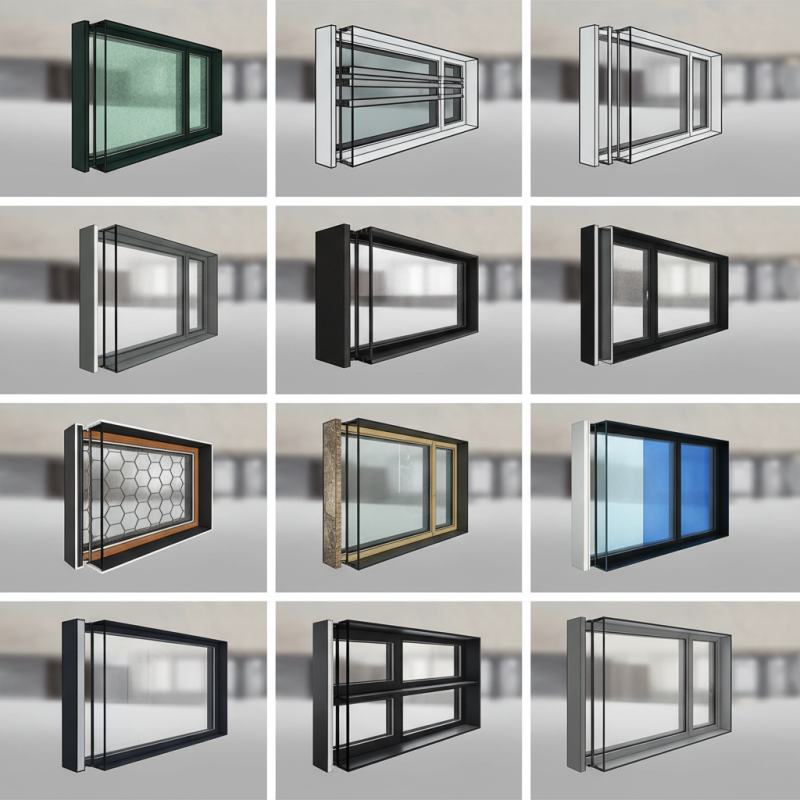
Another factor is the frame material. Vinyl, wood, and aluminum each provide different levels of thermal resistance. Vinyl has good insulation properties, but it can warp in high heat. Aluminum frames, conversely, are strong but often require thermal breaks to enhance efficiency. The choice becomes tricky here, depending on the climate and local condition.
Lastly, the window orientation can affect energy performance. South-facing windows capture more sunlight, reducing heating costs in winter. Yet, in summer, this can cause overheating. Proper shading can mitigate this. Often, the importance of proper installation is underestimated. Small gaps during installation can lead to significant energy loss. Revisiting these details can yield surprising improvements in energy efficiency.
Top 10 Best Building Windows for Energy Efficiency
| Window Type |
U-Factor |
SHGC |
Air Leakage |
Material |
| Vinyl Double Pane |
0.30 |
0.25 |
0.1 |
Vinyl |
| Aluminum Triple Pane |
0.22 |
0.20 |
0.1 |
Aluminum |
| Wood Frame Double Pane |
0.28 |
0.23 |
0.2 |
Wood |
| Fiberglass Triple Pane |
0.19 |
0.17 |
0.05 |
Fiberglass |
| Composite Frame |
0.24 |
0.22 |
0.08 |
Composite |
Types of Energy-Efficient Window Materials and Their Benefits
When considering energy-efficient windows, material choice plays a critical role. Vinyl, wood, and fiberglass are popular options, each with unique benefits.
Vinyl windows are affordable, providing good insulation. They resist moisture, reducing the risk of mold. However, their lifespan can be shorter than expected. Many homeowners find that design limits affect aesthetics, which is important in curb appeal.
Wood windows offer natural insulation, making them a top contender. They retain heat in winter and cool air in summer. A report from the U.S. Department of Energy states that proper installation can improve energy efficiency by 15-20%. However, wood requires maintenance to prevent rot and insect damage. That is often overlooked.
Fiberglass windows stand out for their durability. They can withstand extreme temperatures without warping. This material often comes with a higher price tag. Some reports indicate that while initial costs are higher, savings on energy bills can be substantial over time. The challenge lies in finding a reliable installer, as improper installation can negate energy savings. Each material has advantages and drawbacks, highlighting the need for careful consideration.
Key Features of Energy-Efficient Windows to Consider
When choosing windows for energy efficiency, several key features stand out. The U-value measures the amount of heat loss. A lower U-value indicates better insulation. For optimal performance, look for windows with a U-value below 0.30. Double or triple glazing can significantly enhance this feature. The space between panes often contains argon or krypton gas, which reduces heat transfer.
Another important aspect is the Solar Heat Gain Coefficient (SHGC). This indicates how much solar heat enters through the window. A lower SHGC is better in warmer climates. However, in cooler areas, a higher SHGC can help harness solar energy for heating. Aim for SHGC ratings in line with your local climate.
Frames also play a role in energy efficiency. Materials like fiberglass or vinyl provide better insulation compared to aluminum frames. The energy performance of a window can drop significantly due to poor framing. Discrepancies in performance often occur, leading many to overlook the importance of quality materials and design. These details are essential in ensuring that the windows contribute significantly to overall energy savings.
Energy Efficiency Ratings of Different Window Types
Top Manufacturers of Energy-Efficient Windows in the Market
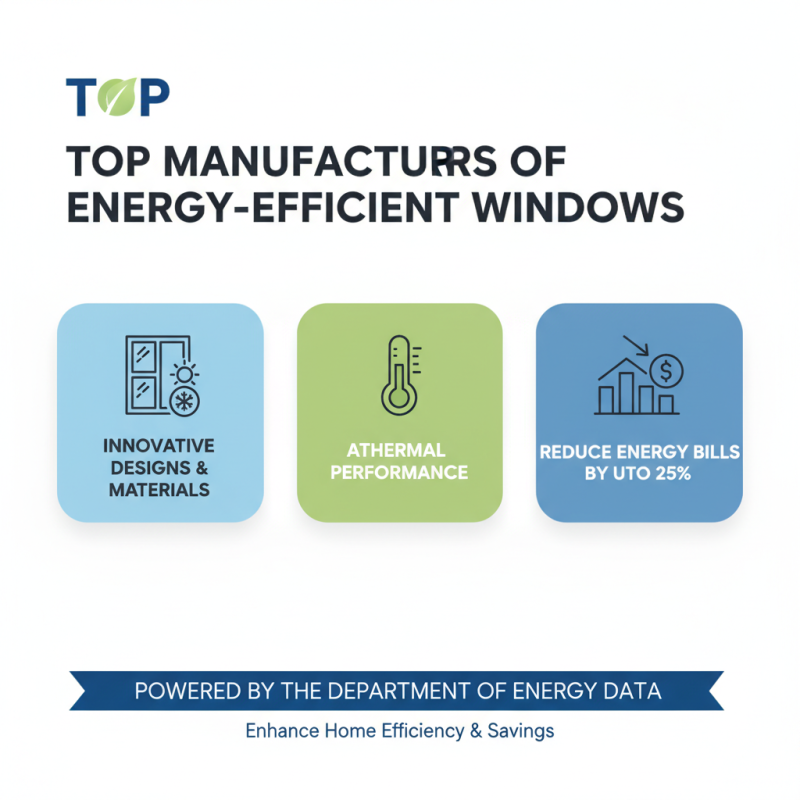
When considering energy-efficient windows, it's crucial to understand the top manufacturers leading the market. These companies focus on innovative designs and materials that enhance thermal performance. According to the Department of Energy, a well-designed window can reduce energy bills by up to 25%. This statistic highlights the significant impact these products have on overall energy efficiency.
Several manufacturers incorporate low-emissivity (low-E) coatings in their windows. This feature minimizes heat loss during winter and reflects solar energy in summer. A recent report by the National Fenestration Rating Council showed that windows with low-E coatings can improve energy efficiency by over 30%. Yet, many homeowners overlook this option, missing out on greater long-term savings.
While the industry pushes for better energy ratings, not all products meet expectations. Some windows underperform in real-world conditions, leading to dissatisfaction. Consumers must research and choose the right fit for their homes. The balance between cost, design, and efficiency is complex. It's essential to engage with knowledgeable professionals who can guide you in making informed decisions.
Evaluating Energy Performance Ratings for Windows
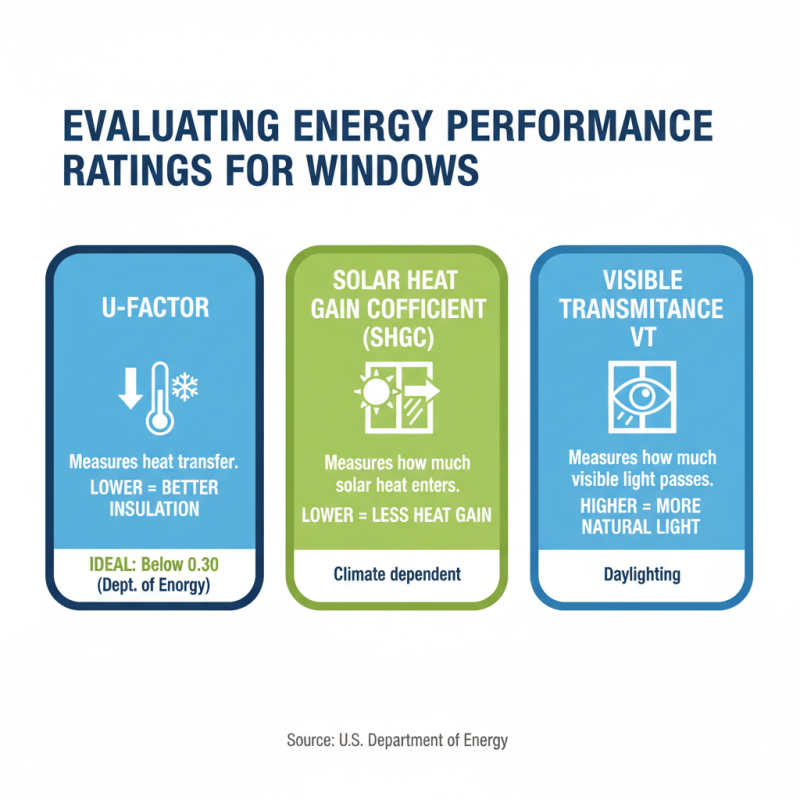
When evaluating energy performance ratings for windows, three key metrics often come to the forefront: U-factor, solar heat gain coefficient (SHGC), and visible transmittance (VT). The U-factor measures the rate of heat transfer. A lower U-factor indicates better insulation. According to the Department of Energy, ideal U-factors should be below 0.30 for optimal energy efficiency in residential applications.
The SHGC is essential as it quantifies how much solar radiation passes through a window. A lower SHGC is preferable in warmer climates, reducing cooling costs. Interestingly, some research suggests that windows with a SHGC of 0.25 could save approximately 10-15% on energy bills compared to windows with a SHGC of 0.50. It’s worth noting that balancing SHGC and VT is crucial. VT influences natural light and glare, directly affecting indoor comfort.
Yet, not all performance ratings are easy to navigate. Many consumers find the technical jargon daunting. Misinterpretations can lead to poor window choices, ultimately increasing energy costs. It's essential to consult energy efficiency guides. These resources help clarify ratings and ensure informed decisions. Reflecting on characterizing energy performance is crucial—what works in one scenario may fail in another.