What is the Best Type of Building Windows for Energy Efficiency and Aesthetics
In the quest for creating energy-efficient and aesthetically pleasing living spaces, the choice of building windows plays a pivotal role. Renowned architect and energy efficiency expert, Dr. Emily Hart, emphasizes, "The right windows not only enhance the beauty of a building but also significantly reduce energy consumption." As homeowners and builders increasingly focus on sustainability, understanding the various types of building windows becomes essential in making informed decisions that benefit both the environment and design.
Building windows are no longer merely functional components; they are vital elements that contribute to the overall energy performance of a structure. With advancements in technology, materials, and design, choices range from traditional double-hung and casement windows to modern options like triple-glazed and low-E glass. Each type brings unique benefits, influencing not only energy efficiency but also the aesthetic value of a building. As we dive deeper into this topic, we will explore the best types of building windows that strike a balance between energy conservation and visual appeal, ensuring buildings are not only beautiful but also responsible in their energy use.
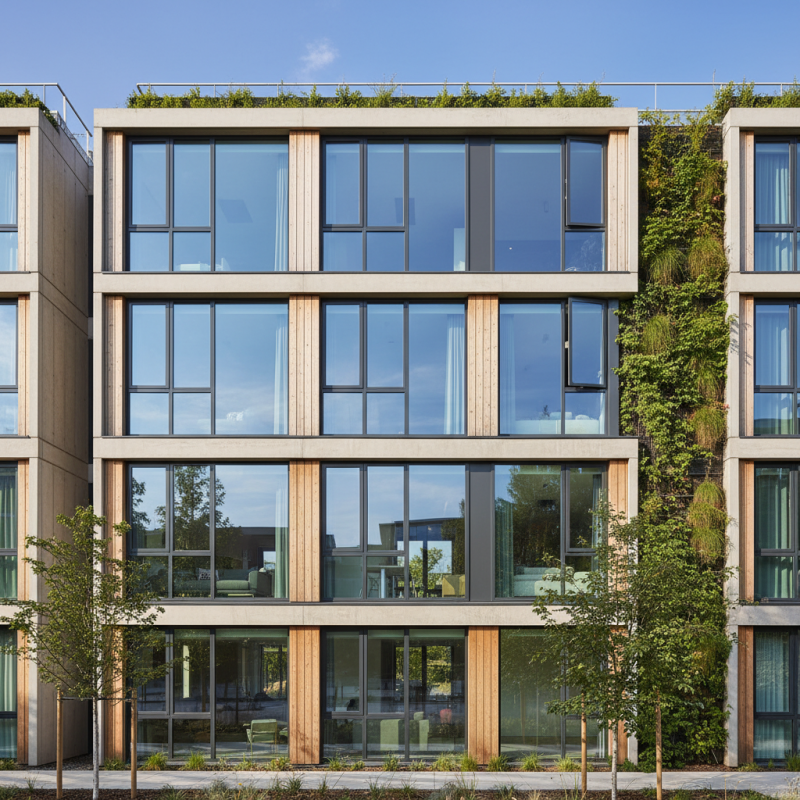
Types of Windows: An Overview of Energy Efficiency Options
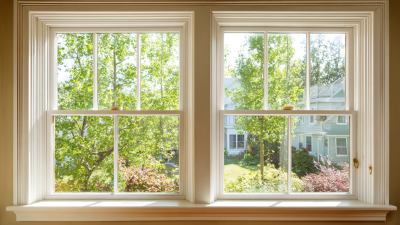
When it comes to choosing windows that prioritize both energy efficiency and aesthetics, several options stand out. Double or triple-pane windows with Low-E (low emissivity) coatings are among the best choices for minimizing heat transfer while maintaining bright, natural light indoors. These windows trap air or gas between the layers, significantly improving insulation compared to single-pane options. For added appeal, consider windows with decorative glass or larger frames that enhance the architectural features of your home.
Tip: When selecting window frames, opt for materials like vinyl, fiberglass, or wood clad, as these provide excellent insulation without sacrificing style. Additionally, be mindful of the window's orientation; south-facing windows can take advantage of natural sunlight, further improving energy efficiency while creating a warm ambiance.
Another emerging option is energy-efficient window films that can be applied to existing windows, enhancing their thermal performance without the need for a full replacement. Such films block UV rays and reduce glare while offering a modern look to your home.
Tip: Always check the energy rating of windows you’re considering. Aim for windows with a high Energy Star rating, ensuring you're investing in products that align with energy efficiency standards and aesthetics.
Energy Efficiency and Aesthetics of Different Window Types
Understanding Energy-Efficient Window Materials and Technologies
Energy-efficient windows are becoming increasingly vital in modern building designs, driven by advancements in materials and technologies that enhance both performance and aesthetics. New innovations, such as thermoplasmonic nanorings, are making strides in passive solar-responsive smart windows, addressing the critical challenge of reducing solar heat gain. These advancements aim to optimize indoor temperatures while maintaining natural light, offering a smart solution for energy-efficient buildings.
Moreover, dual-band electrochromic windows are contributing significantly to energy savings, capable of reducing energy use by as much as 20% through controlled light and heat management. The ongoing research from institutions like Berkeley Lab, which has led to the development of lightweight and highly insulating triple-pane windows, showcases the potential for future energy savings and job creation within the sector. Overall, the landscape of energy-efficient window technologies is evolving rapidly, promising a better balance of and functional performance in the quest for sustainability in building design.
The Impact of Window Design on Aesthetic Appeal and Energy Savings
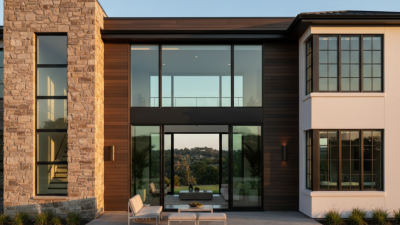
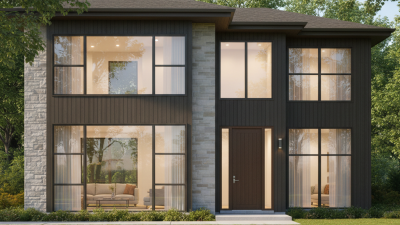
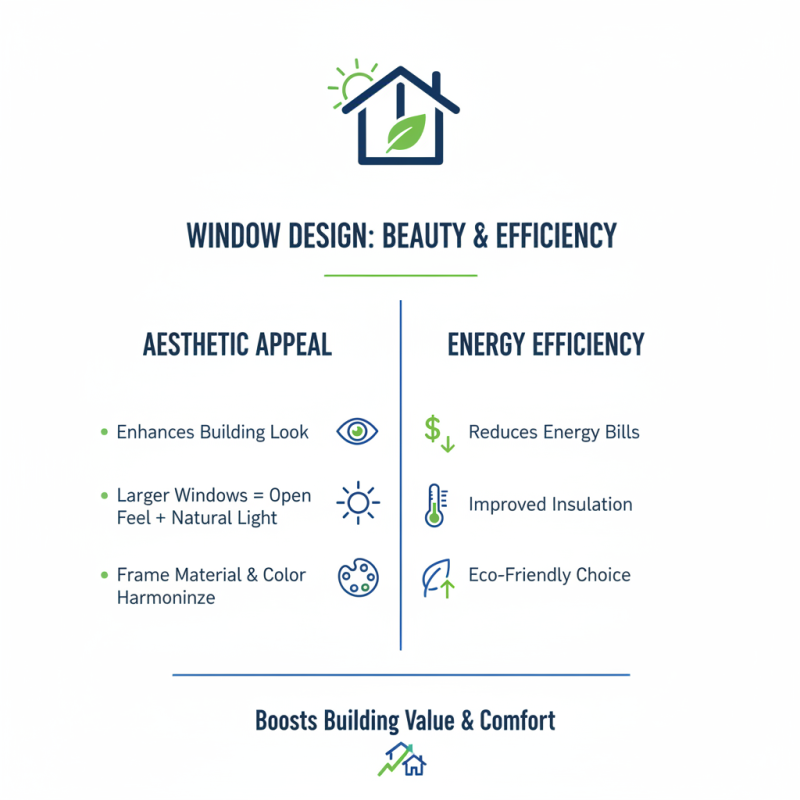
When considering window design, both aesthetic appeal and energy efficiency play crucial roles in enhancing a building's overall value. Windows are not just functional elements; they significantly influence the look of a home or office. For instance, larger windows can create an open, airy feeling while allowing ample natural light, contributing to a more inviting atmosphere. The choice of framing material and color can harmonize or contrast beautifully with exterior design elements, reinforcing the building's style.
**Tips:** Opt for double or triple-pane windows with low-E glass coatings. These options not only provide better insulation but also minimize solar heat gain, ensuring your space remains comfortable throughout the seasons. Incorporating window treatments, like insulated shades or drapes, can further enhance energy efficiency without sacrificing style.
Another important aspect is window placement and orientation. Strategically positioning windows can maximize energy savings by exploiting natural ventilation and sunlight. South-facing windows, for example, allow for passive solar heating in winter while being shielded with awnings in summer to reduce cooling costs.
**Tips:** When planning your window design, consider the local climate. Using energy-efficient products that align with your environment—like hurricane-resistant windows in coastal regions—will not only enhance exterior beauty but also promote energy savings throughout the year.
Comparing Costs: Budgeting for Energy-Efficient and Stylish Windows
When considering the costs associated with energy-efficient and aesthetically pleasing windows, it's pivotal to strike a balance between initial investment and long-term savings. Reports indicate that investing in energy-efficient windows can reduce heating and cooling costs by up to 30%, leading to substantial savings over time. Furthermore, these windows tend to have a lower environmental impact, aligning with increasing regulations around sustainability in various industries. As consumers become more aware of their choices, windows that offer both style and efficiency are becoming critical to the housing market.
Tips: When budgeting for new windows, be sure to compare not only the upfront costs but also the expected energy savings over the lifespan of the windows. Many homeowners overlook the potential financial benefits of government rebates for energy-efficient upgrades, which can further offset your costs.
Additionally, it’s essential to consider window materials—vinyl, fiberglass, and wood each offer different balances of cost, aesthetics, and energy performance. Make sure to have a thorough energy audit done prior to the purchase as this will help determine the best window type for your specific needs, leading to enhanced energy efficiency and overall comfort in your home.
Installation and Maintenance Tips for Optimal Window Performance
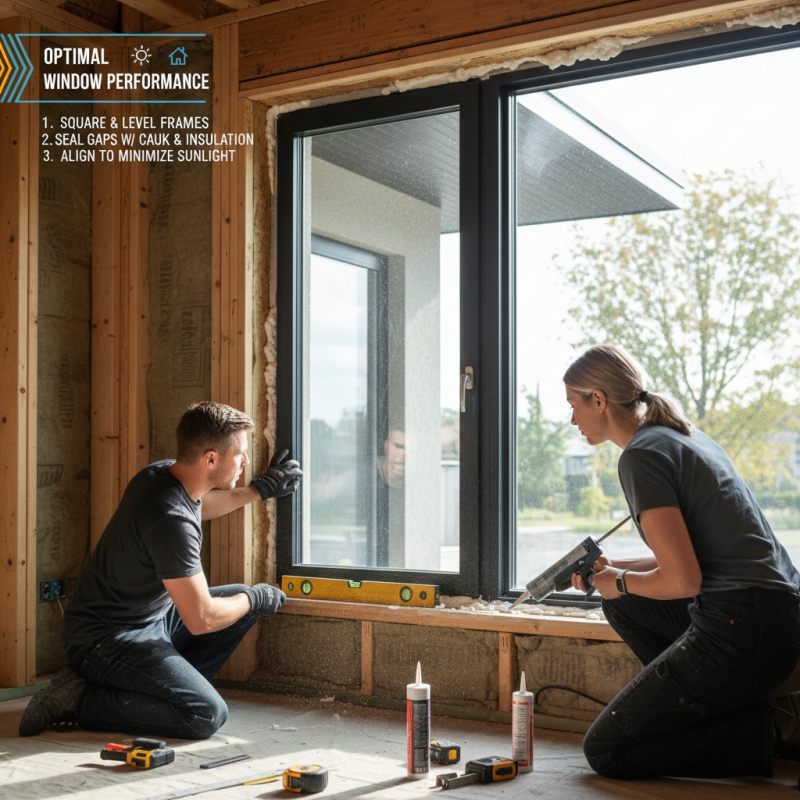
When it comes to achieving optimal window performance for energy efficiency and aesthetics, proper installation is crucial. Start by ensuring that the window frames are square and level. This will not only enhance the window's appearance but also prevent air leaks that can undermine energy efficiency. Utilize high-quality caulk and insulation materials during the installation process to seal any gaps, which can significantly improve thermal performance and reduce heating and cooling costs. Additionally, aligning windows to minimize direct sunlight exposure can help maintain interior temperatures and reduce glare.
Regular maintenance is equally important for sustaining energy efficiency and aesthetic appeal. Schedule periodic inspections to check for wear and tear on seals, frames, and panes. Cleaning the windows regularly with appropriate solutions will keep them looking great and allow you to spot any issues early. If condensation begins to develop between panes, it may indicate a failed seal that requires professional repair. Moreover, applying weatherstripping can further enhance insulation, keeping drafts out and energy dollars in. By focusing on meticulous installation and consistent maintenance, homeowners can enjoy both energy-efficient performance and beautiful windows for years to come.