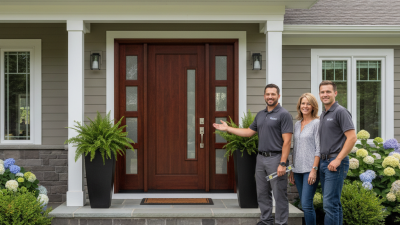
Choosing the right doors and windows for your home is crucial for enhancing both aesthetics and functionality. These elements serve as the gateway between your indoor space and the outside world. They significantly influence energy efficiency, security, and even the overall character of your home.
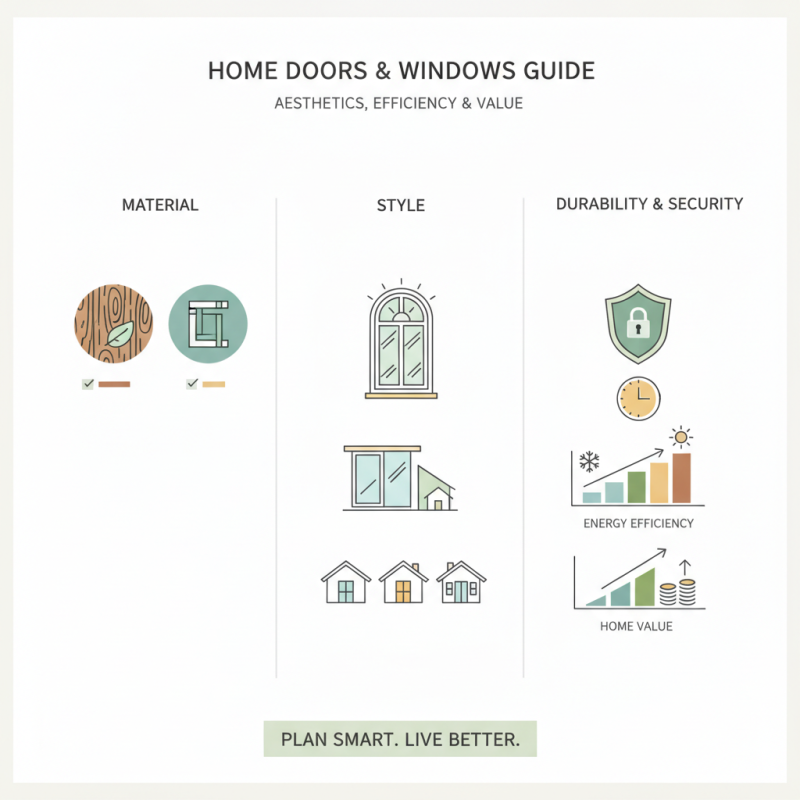
When considering doors and windows, various factors come into play, including material, style, and durability. Wooden frames exude warmth, while vinyl offers low maintenance. Each choice has its pros and cons, making it essential to assess your unique needs.
Moreover, the right selection can impact your home's value. Poorly fitted or outdated doors and windows can detract from curb appeal. Sometimes, homeowners realize too late that their choices were not the best fit. Careful planning can prevent regrets and enhance your living space for years to come.
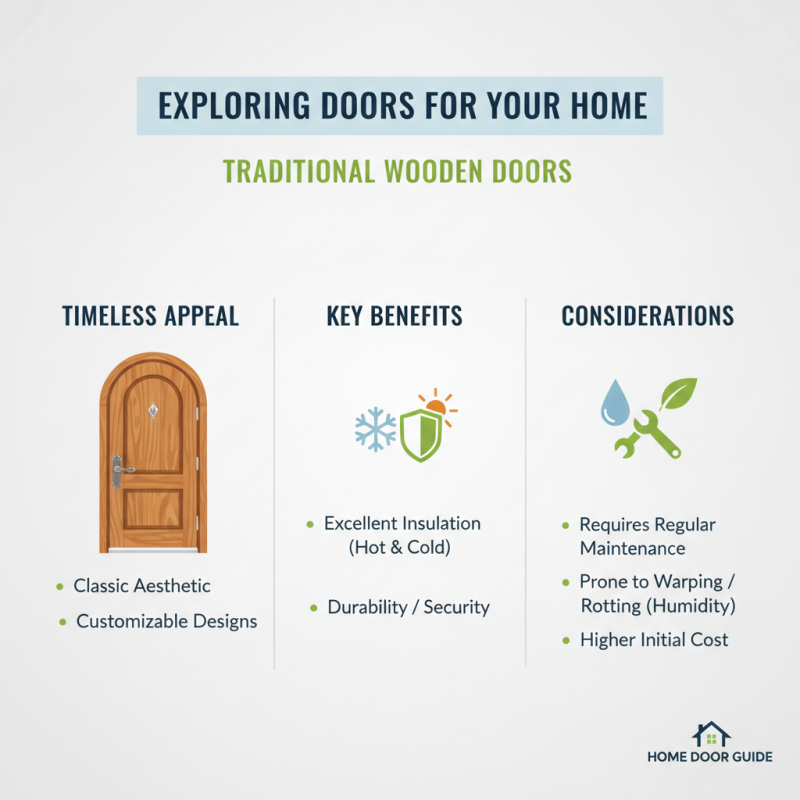
When considering the best doors for your home, it's essential to explore various types. Traditional wooden doors offer a timeless appeal. They provide excellent insulation and can be customized to fit any style. However, wood requires regular maintenance to prevent warping and rotting. In humid climates, this can be a challenge.
Another popular option is fiberglass doors. They mimic the look of wood but are more durable and energy-efficient. They resist dents and are easy to clean. Still, some homeowners find their appearance less authentic compared to natural wood.
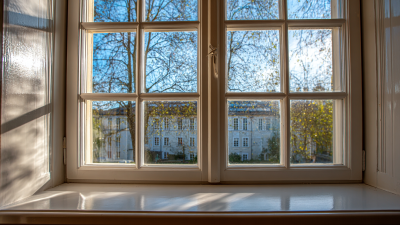
For windows, double-hung styles are favored for their versatility. They allow for easy cleaning and ventilation. However, newer designs may not fit well with older homes, leading to aesthetic mismatches. Sliding windows can offer modern functionality but may lack the character of classic designs. Your choice reflects your taste and lifestyle, making careful consideration crucial.
When choosing window materials for your home, it's crucial to weigh the pros and cons. Vinyl windows are a popular option. According to a report by the American Institute of Architects, vinyl is energy-efficient and requires minimal maintenance. However, they may fade over time, impacting aesthetics.
Wood windows offer a classic look and excellent insulation. A study by the Energy Department shows that wood can reduce energy costs by up to 25%. On the downside, wood needs regular maintenance to prevent rot and insect damage. In regions with high humidity, this can be a significant drawback.
Aluminum windows are durable and resistant to rust. However, they conduct heat, which can lead to higher energy bills. A research report from the National Association of Home Builders highlights that opting for thermal breaks can mitigate this issue. Yet, not all aluminum frames are treated, making it a factor to consider carefully. Each material has unique characteristics, making it essential to align choices with your specific needs and environment.
| Material | Pros | Cons | Energy Efficiency | Maintenance |
|---|---|---|---|---|
| Vinyl | Low cost, energy efficient, resistant to rot | Limited color options, can fade over time | Good | Low |
| Aluminum | Durable, lightweight, modern aesthetic | Poor insulation, can corrode | Fair | Medium |
| Wood | Aesthetic appeal, great insulation | Requires regular maintenance, can warp | Excellent | High |
| Fiberglass | Strong, energy efficient, low maintenance | Higher upfront cost, can be hard to find | Good | Low |
| Composite | Durable, versatile, decent insulation | Can be expensive, limited color choices | Good | Medium |
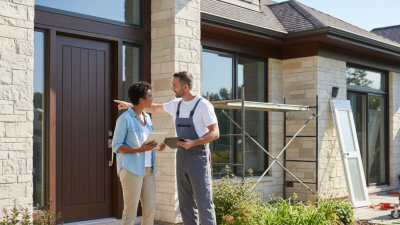
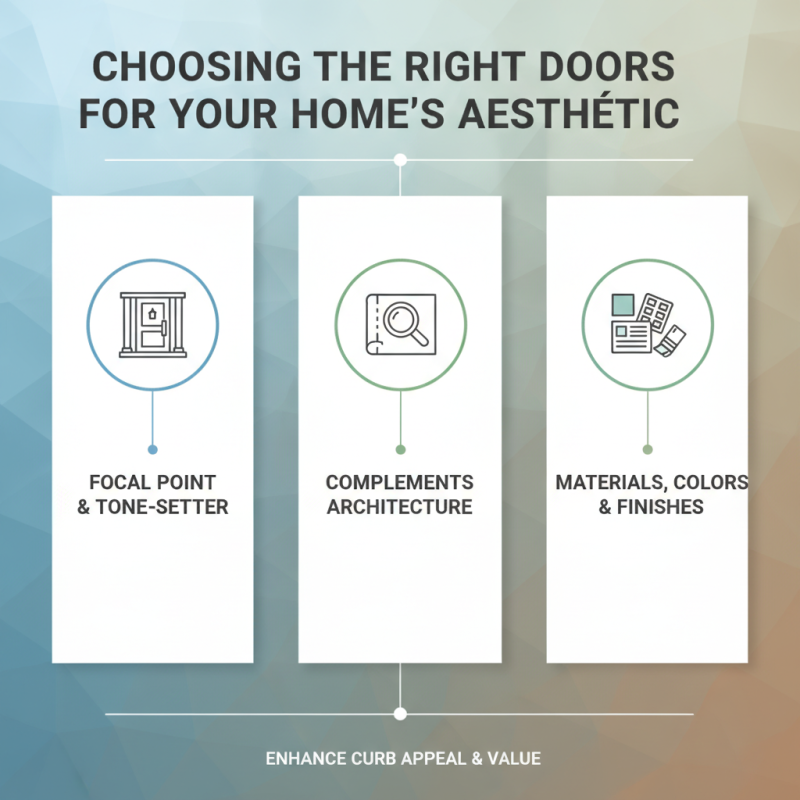
When considering the right style of doors for your home, aesthetics play a crucial role. A door is not just a barrier; it is the focal point of your entrance. It sets the tone for your home's overall look. Choosing a door that complements your architecture enhances curb appeal and adds value. Think about the materials, colors, and finishes that align with your vision.
Tips: Consider the architectural style of your home. For traditional homes, wooden doors often work best, while modern designs may benefit from sleek metal or glass options. Don't overlook the door hardware; it can enhance the visual appeal and functionality.
Windows are equally important. They should harmonize with your doors. Large picture windows can open up a space and offer stunning views, but they may not provide enough privacy. Smaller, strategically placed windows can maintain a cozy feel.
Tips: Choose window styles that reflect your personal taste. Casement and double-hung windows offer versatility, while bay windows can create a unique look. Think about energy efficiency, too. Properly insulated windows save on energy bills.
Remember, the perfect door or window should resonate with your senses. It's not just about looks; it needs to feel right too. Reflect on your choices. Are they functional? Do they truly represent your lifestyle?
When choosing windows for your home, energy efficiency should be a top priority. Look for features like double or triple glazing. These designs reduce heat transfer, improving insulation. Additionally, low-emissivity (Low-E) coatings minimize UV rays. This not only protects your furniture but also maintains a stable indoor temperature.
Consider window frames as well. Materials like vinyl or fiberglass are known for their insulating properties. They help reduce heat loss and lower energy bills. However, it's essential to note that not all options are perfect. Wooden frames may require more maintenance over time, even though they offer aesthetic appeal. Identifying the right balance between style and efficiency is crucial.
Additionally, pay attention to the energy rating labels. These labels provide insights into the efficiency of different window models. High ratings indicate better performance but might come at a premium price. Sometimes, investing in more efficient windows can lead to long-term savings. Reflect on your specific needs and local climate. Making an informed choice will enhance your home's comfort and reduce your environmental impact.
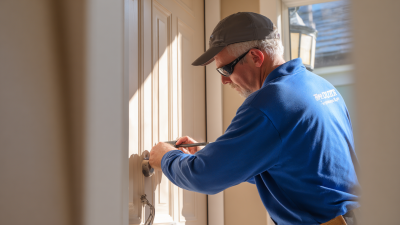
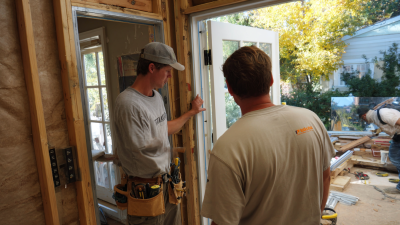
Installing doors and windows properly can enhance your home's aesthetics and security. Before you start, gather the right tools. This includes a level, tape measure, and a drill. These tools are essential for an effective installation process. Measure your openings accurately. An inch off can lead to gaps or difficulties in sealing.
Consider the weather conditions when installing. Extreme temperatures may affect materials. If it's too cold, you might find seals hardening unexpectedly. Check the weather forecast before you begin. Additionally, ensure the frame is square; a misaligned frame can cause problems later. Don’t rush this crucial step. It's better to take your time and do it right.
Once the doors and windows are in place, inspect them regularly. Over time, you may notice drafts or condensation. These signs often indicate a need for adjustment. Sealants may need reapplication as they can degrade. Stay vigilant to maintain your investment. No installation is perfect, but meticulous attention to detail makes a real difference. Reflect on your installation experience and learn from any mistakes.