What is the Best Type of Building Windows for Your Needs?
Choosing the right building windows is crucial for your home or office. They determine not only energy efficiency but also aesthetics. Windows play a significant role in insulation, noise reduction, and natural light. This decision is not merely about style but impacts comfort and utility.
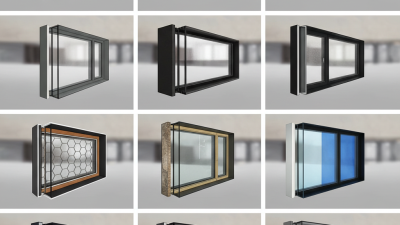
Understanding various window types can be overwhelming. Among options like vinyl, wood, and aluminum, each material presents distinct advantages and disadvantages. For instance, vinyl windows often offer lower maintenance but may lack the elegance of wood. Weighing these aspects is vital for making an informed choice.
Consider your local climate and specific needs. Windows should complement your lifestyle while enhancing energy efficiency. Poor choices might lead to increased energy bills or uncomfortable living spaces. Reflecting on your priorities will guide you toward the best type of building windows for your situation.
Types of Building Windows: Key Features and Benefits Explained
When selecting windows for your building, various types cater to specific needs and preferences. Double-hung windows are a popular choice. They are easy to operate and offer good ventilation. These windows feature two movable sashes. This design enhances airflow in rooms and provides flexibility in how you let in fresh air. However, cleaning can be a bit tricky.
Casement windows are another effective option. They are hinged on one side and open outward, maximally capturing breezes. This design provides excellent energy efficiency, as they create a tight seal when closed. Yet, they require adequate space on the exterior, which may not suit all properties.
Sliding windows are ideal for modern homes. They save space and allow for a larger viewing area. However, they may not be as energy-efficient compared to other types. It’s worth considering how much natural light you want and the overall aesthetic you aim for. Each window type has its pros and cons, requiring careful evaluation to align with your needs.
Energy Efficiency Ratings: Understanding U-Value and SHGC Metrics
When choosing windows for energy efficiency, understanding U-Value and Solar Heat Gain Coefficient (SHGC) is crucial. U-Value measures heat transfer through a window. A lower U-Value indicates better insulation. For instance, windows with a U-Value of 0.30 W/m²K are considered excellent. This can significantly reduce heating costs in colder climates, where energy bills can escalate rapidly.
The SHGC is another key metric. It determines how much solar radiation passes through a window. A lower SHGC is preferable in hot climates, helping to reduce cooling costs. A SHGC of 0.25 allows only 25% of solar heat in, which can have a substantial impact during peak summer months. According to the National Renewable Energy Laboratory, windows with optimal ratings can cut energy use by up to 30%.
While focusing on these metrics, it’s essential to consider regional variations. What works in a Northern state may not be suitable for a Southern one. The effectiveness of a window isn't solely determined by ratings but also by installation quality, frame materials, and local climate factors. Balancing aesthetics and energy performance can lead to complex choices, requiring careful reflection and expert guidance.
Energy Efficiency Ratings of Different Window Types
This bar chart illustrates the U-Value and SHGC of various window types. A lower U-Value indicates better insulating properties, while SHGC measures how much solar heat a window transmits, with lower values being preferable for reducing heat gain.
Comparing Window Materials: Vinyl, Wood, Aluminum, and Fiberglass
When choosing window materials, durability and energy efficiency are key factors to consider.
Vinyl windows are popular for their affordability and low maintenance. They offer an energy efficiency rating of up to 0.30 U-factor, making them suitable for various climates. However, they can warp if exposed to extreme heat, which might impact their longevity.
Wood windows provide a classic aesthetic. They have excellent insulation properties and can last for decades with proper care. A study shows that wood frames can offer up to 25% more insulation than vinyl. Yet, they require regular maintenance to prevent rot and decay. The choice hinges on personal preference and climate conditions.
Aluminum windows are known for their strength and modern appeal. They are lightweight and resistant to corrosion. However, their energy efficiency is lower, usually around 0.50 U-factor. Fiberglass windows stand out for their resilience to temperature fluctuations. They are low-maintenance and can mimic the appearance of wood. A report indicates fiberglass can withstand extreme weather better than vinyl or wood, reflecting a growing trend in modern constructions. Each material has its pros and cons; weighing these aspects is crucial for effective decision-making.
Window Styles: Choosing Between Casement, Double-Hung, and Sliding
When selecting windows for your home, the style can dramatically impact both aesthetics and functionality. Casement windows, hinged at the side and swinging outward, allow for maximum ventilation. They are easy to operate and provide a clear view. However, they may not be suitable for areas with heavy foot traffic nearby, as they extend outward when opened.
Double-hung windows are timeless and versatile. They consist of two sashes that slide vertically. This allows for ventilation from both the top and bottom. They are often easier to clean because both sashes can tilt inward. Compatibility with traditional architecture makes them a popular choice. Yet, their energy efficiency depends on proper sealing and maintenance, which can be a concern.
Sliding windows glide horizontally and are great for spaces with limited height. They offer a sleek look and can maximize natural light. However, their design may not be conducive to thorough cleaning. Dust can accumulate in the tracks, leading to potential operational issues. Selecting the right style depends on your specific needs, preferences, and lifestyle. Each window type has unique advantages and challenges to consider.
Impact of Windows on Home Value: Market Trends and Resale Value Insights
When considering the impact of windows on home value, market trends reveal significant insights. Recent reports indicate that energy-efficient windows can increase property value by up to 10%. Homebuyers are increasingly prioritizing sustainability. Modern windows minimize energy loss, appealing to eco-conscious buyers. This factor affects how quickly homes sell.
Additionally, the aesthetic appeal of windows plays a crucial role. Custom designs and styles enhance curb appeal, potentially adding several thousand dollars to the resale value. Data suggests homes with upgraded windows often sell 15%-20% faster than those with outdated options. Homes with poor window quality may face a price reduction at sale.
It's also essential to reflect on individual needs. While high-end windows can enhance value, they may not guarantee a return on investment in all markets. Variations in local demand for luxury features need consideration. Homeowners should assess their specific situation before making a decision on window upgrades. Understanding market conditions is key in maximizing the return from window investments.