Choosing among exterior doors in 2026 means weighing climate, security, maintenance, and appearance—not just comparing materials. A steel door can offer strong value and resist everyday wear, while fiberglass can mimic painted or stained wood with less upkeep. Solid wood brings warmth and repairability, but its finish needs care in wet or sunny locations. The right choice depends on your home’s exposure and how well the door is installed.
The U.S. Department of Energy’s Energy Saver guidance notes that weatherstripping and a properly fitted door can reduce drafts and energy loss. That detail matters: a premium slab will not perform well if daylight shows around its frame. Remodeling magazine’s 2024 Cost vs. Value report estimated a 188.1% cost recoup for a steel entry-door replacement in its national averages. Treat that figure as a remodeling benchmark, not a promise of resale value or a measure of insulation.
Building-science engineer Joseph Lstiburek’s work emphasizes controlling water and air movement in the building enclosure. In practical terms, inspect the sill, weather seals, and flashing—not only the door face. Details count. A sheltered porch may suit a different material than a west-facing entrance exposed to driving rain and afternoon sun. There is no universal winner, and a beautiful door can still disappoint if its installation is weak. This guide compares steel, fiberglass, and wood, then explains what to check before choosing the best exterior door for your home.
What Is the Best Type of Exterior Door in 2026?
The Main Types of Exterior Doors
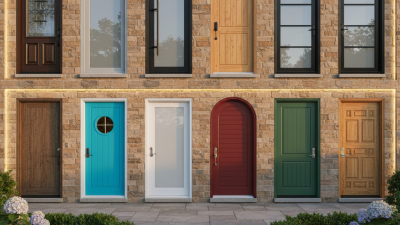
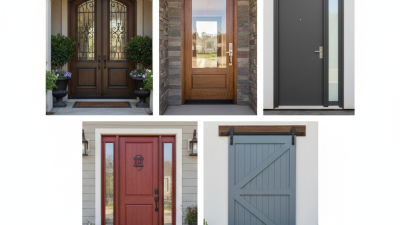
Exterior doors include steel, fiberglass, solid wood, sliding glass, and French styles. Steel doors suit busy entrances and usually need little upkeep. Fiberglass resists moisture and can mimic wood grain, though quality varies. Solid wood offers natural texture but needs regular sealing, especially where rain hits the threshold. Sliding and French doors bring daylight into living spaces; check their locks, tracks, and weather seals carefully. Small gaps matter.
For many homes, fiberglass is a practical balance of insulation, durability, and appearance. Steel can be a strong value for a standard entry. Remodeling magazine’s 2024 Cost vs. Value report estimated a 188.1% cost recoup for steel entry-door replacement in its U.S. national averages. That figure reflects resale estimates, not guaranteed savings or door performance. For energy comparisons, check the National Fenestration Rating Council label: its U-factor helps indicate heat transfer, while air-leakage ratings can help assess drafts.
Tips: Match the door to the exposure. A west-facing entrance may need a finish that tolerates strong afternoon sun. Before buying, measure the frame and inspect the sill for water damage. I would not choose by material alone; installation quality can undo a good door’s advantages.
Typical insulation values for common entry-door constructions. Higher R-values indicate greater resistance to heat flow.
Foam-core fiberglass and steel doors commonly fall around R-5 to R-6, while solid wood doors are often around R-2 to R-3. Bars show the midpoint of these typical ranges; actual performance varies with thickness, glazing, construction, and installation. Compare the full door’s certified energy rating when choosing.
An exterior door’s material affects weight, upkeep, insulation, and how it handles daily wear. Fiberglass resists moisture and usually needs little maintenance, though its finish can fade in strong sun. Steel offers a sturdy feel and often costs less, but scratches may expose metal to rust. Wood brings natural warmth and can be repaired, yet changing humidity may cause swelling or sticking. Details matter. The material alone does not tell the whole story.
Construction matters just as much. A well-built door may use an insulated core, a reinforced frame, and tight weather seals around the edges. These features can reduce drafts, but only when the door is fitted squarely and installed carefully. Check how the threshold meets the floor; a thin strip of daylight can signal a sealing problem. Glass panels can brighten an entry, while adding another area where heat may escape. Ask about the door’s tested energy performance and inspect its seals, hinges, and frame before choosing. There is no perfect option. Even a durable door can disappoint if its size, exposure, or maintenance needs do not suit the home.
For most homes, the best exterior door balances insulation, security, durability, and upkeep. Steel doors offer a strong, relatively low-maintenance option, but damaged coatings can expose them to rust. Fiberglass handles moisture well and needs less routine care, while wood brings natural character but usually requires periodic sealing or repainting. No material guarantees security: the frame, strike plate, lock, and installation matter too.
For insulation, compare the whole door’s National Fenestration Rating Council (NFRC) label. A lower U-factor indicates less heat transfer; check weatherstripping and the threshold for gaps. The U.S. Department of Energy’s Energy Saver guidance also emphasizes sealing air leaks around exterior doors. Small gaps can make a good door feel drafty. Installation matters.
Tips: Before buying, inspect the frame for rot or movement, and check that the door closes evenly. The 2024 Cost vs. Value report estimated a steel entry-door replacement at $2,355, with $4,430 in resale value, or 188.1% cost recouped. That figure reflects a national remodeling estimate, not guaranteed savings or proof of better insulation. Measure twice; older openings can be surprisingly uneven.
What Is the Best Type of Exterior Door in 2026?
A door that performs well in a dry, mild climate may struggle near salty coastal air or through hard freezes. Start with the conditions around your entrance. Does afternoon sun bake the door? Does wind-driven rain hit its lower edge? These details can matter more than a material’s advertised advantages.
Fiberglass often suits changing temperatures because it resists swelling and can need less upkeep than wood. Steel can be a practical, lower-cost choice, but scratched finishes may need prompt attention, especially in damp or coastal locations. Wood offers a warm, natural look, though exposed doors may need regular refinishing. No material is perfect. I may be overvaluing low maintenance; some homeowners gladly trade upkeep for the look of real wood.
Budget for the whole installation, not just the door slab. A well-fitted frame, weatherstripping, and a properly sealed threshold help limit drafts and moisture. In a cold region, insulated construction may be worth the added cost; in a shaded, sheltered entry, it may matter less. Check how much direct sun, rain, and wind your doorway receives before deciding. Ask an experienced installer to assess the opening, since an uneven frame can undermine even a high-quality door. That detail is easy to miss.
| Door type | Climate and location fit | Typical installed budget (USD) | Key advantages | Potential drawbacks | Often a good choice when… |
|---|---|---|---|---|---|
| Fiberglass | Performs well in hot, cold, humid, and changeable climates. A suitable option for coastal areas when the hardware and finish are corrosion-resistant. | About $1,000–$4,000 | Insulated models can offer good energy performance; resists rust and moisture; generally needs less upkeep than wood. | Usually costs more than basic steel; a hard impact can crack or damage the skin, and repairs may be difficult to blend. | You want a versatile, low-maintenance entry door and can spend more than the minimum. |
| Steel | Suitable for many climates, especially when the door has an insulated core and well-sealed edges. In damp or coastal locations, protect the finish and choose corrosion-resistant hardware. | About $500–$2,500 | Often one of the more affordable options; strong; insulated models can reduce heat transfer and drafts. | Can dent; scratches may expose metal to rust; the door may feel cold or hot to the touch depending on conditions. | Budget, security, and a straightforward painted finish are priorities. |
| Solid or engineered wood | Can work in many regions if sheltered and maintained. Needs extra care in wet, humid, or highly exposed locations where moisture and direct sun can affect the finish. | About $1,500–$5,000+ | Natural appearance; can be refinished; available in a wide range of designs and sizes. | Typically requires more upkeep; can swell, shrink, or warp with moisture and temperature changes; often costs more. | Appearance is a major priority and you are prepared for regular inspection and refinishing. |
| Aluminum | Useful for contemporary designs and some coastal settings when specified with appropriate finishes and hardware. Thermal performance depends heavily on the frame design and thermal breaks. | About $1,000–$3,500 | Lightweight; does not rust like steel; supports slim-frame designs and large glazed areas. | Non-thermally-broken frames can transfer heat readily; dents and finish damage are possible; high-performance models may cost more. | A modern look, low weight, or a glazed design matters, and the frame’s thermal specifications suit the climate. |
| Composite | Can suit varied climates, but performance depends on its materials, construction, seals, and installation. Check the product’s ratings for local conditions. | About $1,500–$4,500 | May combine low maintenance with a wood-like appearance; many designs use insulated cores. | “Composite” covers different constructions, so quality and performance vary; repairs and replacement parts may be less straightforward. | You want a low-maintenance alternative to wood and can compare product-specific ratings and warranties. |
Budget figures are broad U.S. planning estimates for a typical exterior door with professional installation; actual prices vary by size, glazing, frame condition, labor, location, and customization. Compare the complete door assembly’s NFRC energy ratings where available, including U-factor (lower generally means less heat transfer) and solar heat gain coefficient (SHGC). Proper weatherstripping, a suitable threshold, flashing, and installation are important in every climate.
Choosing an exterior door in 2026 starts with the conditions at your entrance, not a material trend. A south-facing door may take strong sun, while a sheltered porch can stay damp after rain. Consider temperature swings, wind exposure, and how often the entry is used. Small details matter. A busy household may value a scuff-resistant finish more than an ornate panel.
Compare insulation, frame quality, and weather seals as a complete system. A well-insulated door can still leak heat if its frame is poorly fitted or the threshold sits unevenly. Ask for documented energy-performance ratings and check whether they suit your climate. Glass brings daylight, but larger panes can reduce privacy and may need suitable glazing for comfort and safety. Numbers help, but installation matters just as much.
Material choice affects upkeep. Fiberglass generally resists moisture and needs little routine care; steel can be durable, though scratches may expose metal to corrosion. Wood offers a warm, repairable surface, yet it needs regular attention where rain and sun are severe. I would not choose from a showroom sample alone. Check how the door closes, whether the lock aligns, and whether the installer explains flashing and drainage. Those details are easy to overlook. Also consider replacement hardware and future maintenance; the cheapest option may not stay economical.