What is Building Hardware and Why It Matters for Buyers?
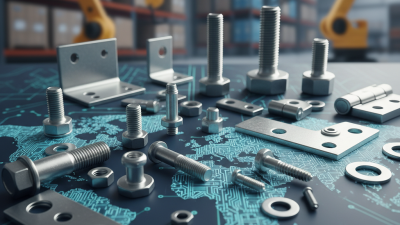
Building hardware plays a crucial role in any construction project. It refers to essential components like locks, hinges, and fasteners. These items may seem minor, but they ensure the integrity and functionality of a building. Buyers must understand the significance of quality hardware when choosing materials. The right choices enhance safety and longevity.
Investing in reliable building hardware brings peace of mind. Quality components can withstand wear and tear over time. They prevent costly repairs and replacements in the future. Not all building hardware is created equal, though. Some cheaper options may save money initially but lead to problems later on. This trade-off requires careful consideration.
Understanding building hardware means paying attention to details. Buyers should assess materials, brands, and their reputations. Seeking expert recommendations can help make informed choices. The stakes are high, as poor decisions might affect the entire project. It’s important to reflect on personal experiences and learn from past mistakes. Ultimately, well-chosen building hardware contributes to a safe and durable structure.
Understanding the Basics of Building Hardware in Construction
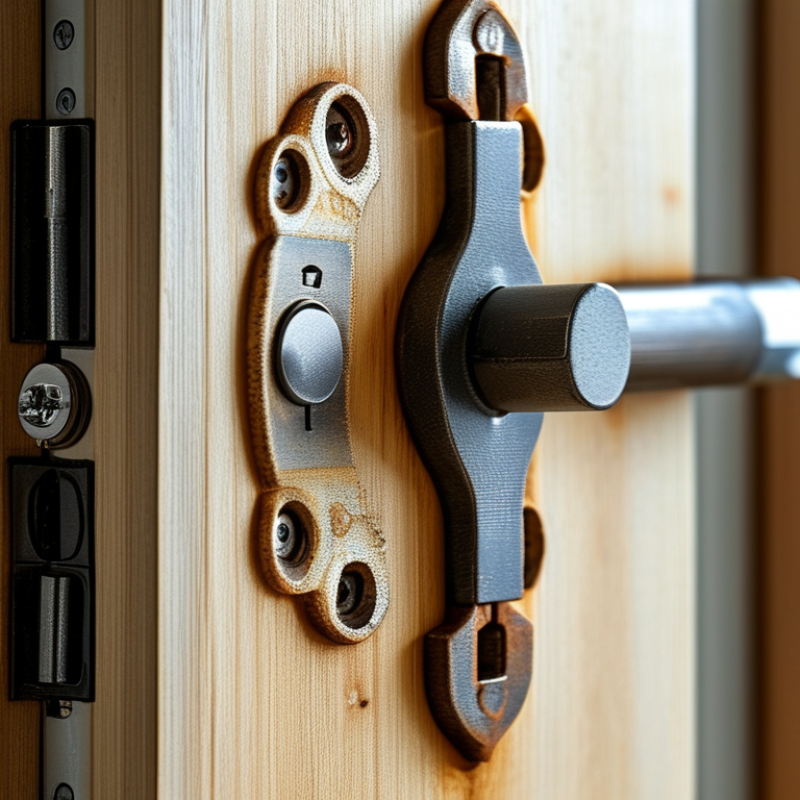
Building hardware is essential in construction. It includes items like doors, windows, and locks. These components are not just functional but also impact safety and aesthetics. Buyers need to understand the basics. This knowledge helps in making informed decisions during construction.
When selecting building hardware, consider the material and durability. Metal components often last longer than plastic ones. However, aesthetics are also crucial. Hardware should complement the overall design. Pay attention to the finish and style, as they contribute to the building's character. If possible, consult professionals for recommendations on suitable options.
Consider maintenance requirements as well. Some hardware might need regular inspections and servicing. This can save money in the long run. Always keep in mind that choosing the right building hardware can influence both the project outcome and property value. Reflect on previous projects and learn from experience.
Key Types of Building Hardware and Their Functions
Building hardware encompasses a wide range of essential components designed to facilitate the functionality and safety of structures.
Door handles, locks, hinges, and latches are just a few examples. Each type serves a specific purpose. For instance, locks provide security, while hinges allow doors to swing open and closed smoothly. The right hardware increases usability, which is vital for both residential and commercial buildings.
Understanding the various types of building hardware can significantly impact choices for any project. Door locks come in several variations, including deadbolts and electronic models. Each type offers different levels of security. Hinges vary in size and material, affecting both durability and appearance. Fasteners like screws and bolts hold structures together, often undergoing stress. This highlights the importance of selecting quality materials that can withstand wear over time.
Investing in reliable building hardware pays off in the long run. However, buyers must consider the specific needs of their project. Overlooking these details can lead to costly replacements or safety issues. Sometimes, choices are made based on aesthetics rather than function. This can be a mistake for those aiming for long-term satisfaction. Proper research can guide buyers toward more informed decisions, ensuring that their selections truly meet their goals.
The Importance of Quality Building Hardware for Buyers
Quality building hardware plays a crucial role for buyers in any construction project. According to a report by the National Association of Home Builders, approximately 80% of construction delays can be attributed to subpar materials. When buyers choose high-quality hardware, they reduce the risk of such delays. Reliability and durability are essential, impacting not just costs, but also safety.
In a study by the American Institute of Architects, nearly 60% of architects noted that poor-quality hardware leads to ongoing maintenance issues. This highlights the importance of selecting the right components. Buyers should understand that investing in quality can result in significant long-term savings. It is also essential to evaluate certifications and industry standards.
Choosing reputable suppliers ensures that buyers receive dependable products. Nonetheless, many buyers may overlook these factors. Quality does come at a price, but the implications of using inferior hardware can be far more costly. It's essential to weigh immediate savings against future risks. Reflecting on these aspects helps buyers make informed decisions for their projects.
Factors to Consider When Purchasing Building Hardware
When considering the purchase of building hardware, several factors come into play. Quality is paramount. Buyers should assess materials used in the hardware. High-quality materials enhance durability and performance. Consider whether the hardware will withstand wear and tear over time.
Design matters too. The aesthetic appeal of hardware can influence the overall look of a project. Buyers may reflect on how different designs complement the architecture. That said, overwhelming choices might lead to confusion. It's easy to overlook functional needs when seduced by style.
Practicality cannot be ignored. Buyers should ensure the hardware meets specific requirements. This includes load-bearing capacity and compatibility with existing structures. Installing the wrong hardware could lead to safety issues. Be cautious with decisions; even minor mistakes can have significant consequences.
Look into warranties and customer support options. Reliable support can be invaluable when issues arise. While price is a factor, opting for the cheapest option may not yield the best value. Balancing cost with quality often proves smarter in the long run.
Factors to Consider When Purchasing Building Hardware
The Impact of Building Hardware on Overall Project Success
Building hardware plays a critical role in shaping the success of any construction project. Research indicates that over 70% of project delays are linked to hardware-related issues. Proper selection of tools and materials impacts timelines and budgets significantly. A well-chosen hinge or locking mechanism can streamline processes. However, many projects falter due to the lack of attention to these details. Some builders overlook the importance of adhering to industry standards, which results in compliance issues.
For buyers, understanding specifications is important. Inaccurate hardware can lead to safety risks and increased costs. Investing in high-quality components can save money in the long run. A study shows that projects using standardized hardware see a 30% reduction in rework. Buyers should consider the long-term implications of their choices.
When selecting building hardware, evaluate your options carefully. Consult guidelines and product ratings. Don’t rush the decision-making process. Understand that seemingly minor choices can have a ripple effect on project outcomes. Staying informed and asking for expert advice can mitigate risks. Monitor your hardware choices; even small oversights can lead to significant setbacks.
What is Building Hardware and Why It Matters for Buyers? - The Impact of Building Hardware on Overall Project Success
| Dimension |
Description |
Impact on Project |
| Quality |
Durability and reliability of hardware components. |
Reduces maintenance costs and project delays. |
| Compliance |
Adherence to standards and regulations for safety. |
Ensures project legality and safety for users. |
| Cost-effectiveness |
Balancing quality and price to fit budgets. |
Enhances overall project financial viability. |
| Aesthetic |
Visual appeal and integration with architectural design. |
Increases property value and user satisfaction. |
| Installation |
Ease of installation and compatibility with existing systems. |
Speeds up project timeline and reduces labor cost. |