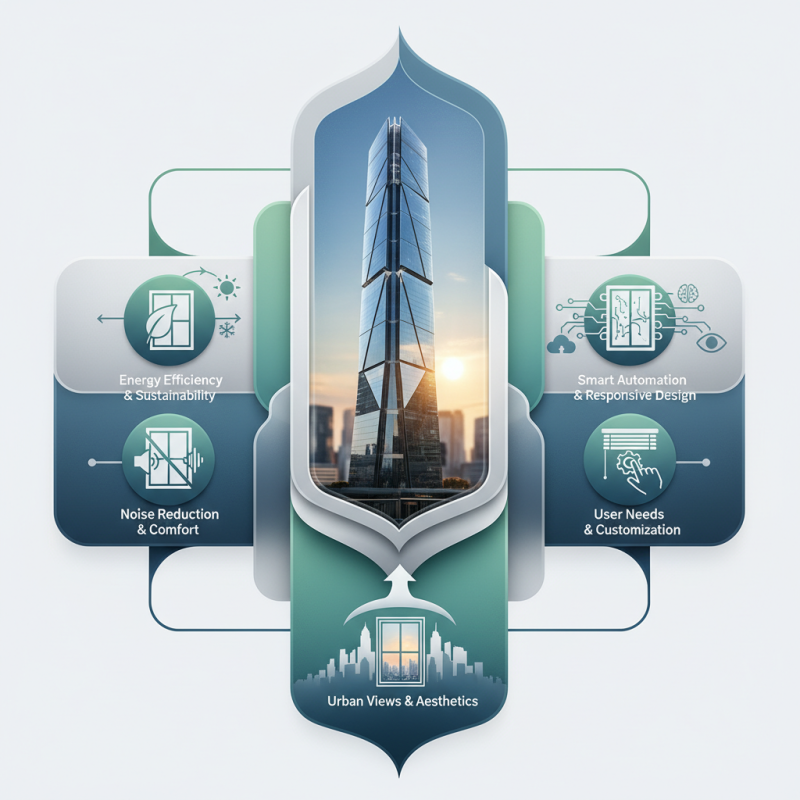
Building windows play a crucial role in defining modern architecture in China. These windows are no longer mere openings but key design elements that balance aesthetics and functionality. Architects increasingly focus on innovative materials and technologies to enhance natural light, energy efficiency, and urban views.
China’s rapid urban growth drives demand for building windows that offer both durability and style. High-performance glass with thermal insulation and noise reduction features is common. Yet, some designs still struggle with climate adaptation or installation challenges. This creates room for improvement and ongoing development.
The trend moves toward smart windows that respond to environmental changes and user needs. Integration of automation and sustainability reflects advanced building science expertise. However, realizing these ideas uniformly across projects can face practical limits. This evolving landscape makes China’s building windows sector both exciting and complex to watch.
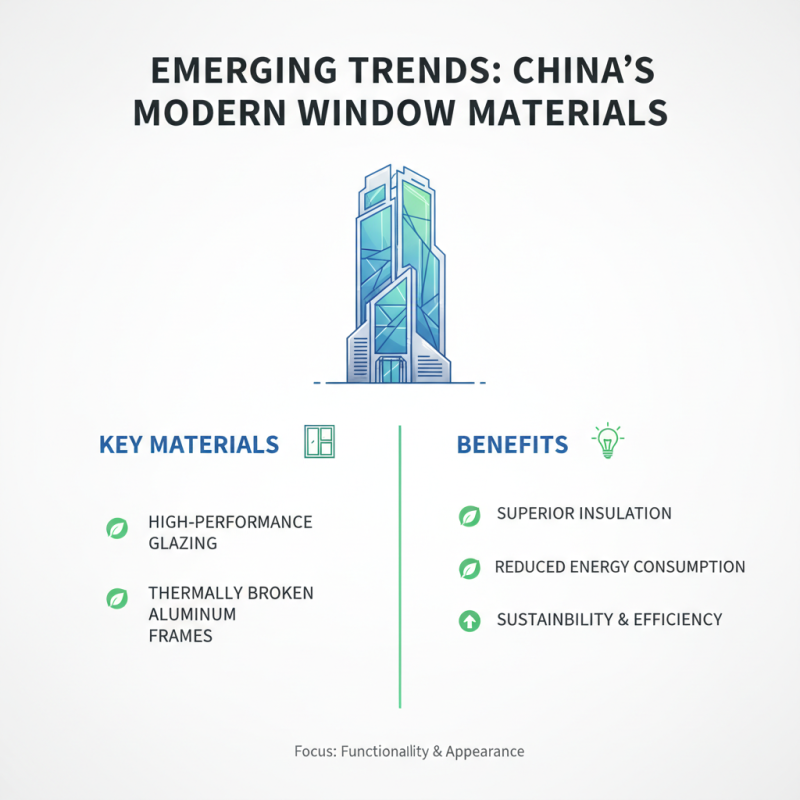
Emerging trends in building window materials highlight a shift towards sustainability and efficiency in modern architecture across China. Architects and designers increasingly prefer materials like high-performance glazing and thermally broken aluminum frames. These materials offer superior insulation and reduce energy consumption. The focus is not just on appearance but also on functionality.
Glass is evolving beyond its traditional use. New technologies allow for dynamic glass that can change opacity based on sunlight levels. This innovation maximizes natural light while minimizing glare. However, the implementation of such technologies often faces challenges, including higher costs and installation complexities.
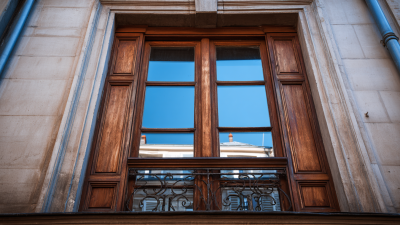
Wood composites are gaining traction as an eco-friendly alternative. They provide aesthetic warmth and blend well with various architectural styles. However, their durability in harsh climates is still under scrutiny. The use of innovative materials in buildings showcases creativity but highlights ongoing debates about sustainability practices in construction. Transitioning to these new solutions requires careful consideration of both benefits and potential drawbacks.
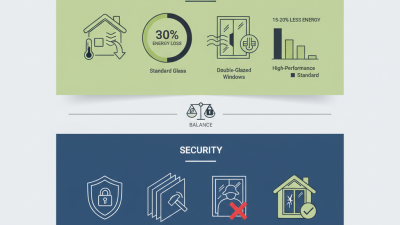
Energy efficiency regulations are reshaping window design in Chinese architecture. These rules push architects to think about how to minimize energy consumption. Insulation materials are becoming more advanced. They help buildings retain heat in winter and stay cool in summer. Triple-glazed windows are gaining popularity. They provide excellent thermal performance. However, this comes at a higher cost, raising concerns about affordability.
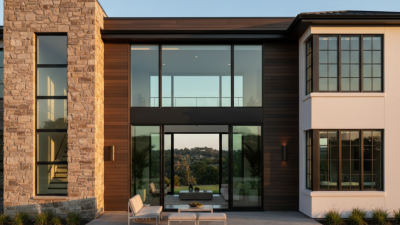
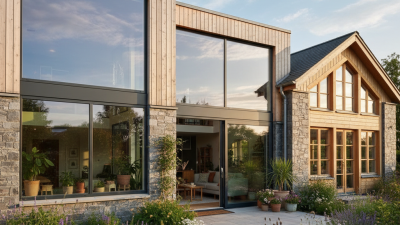
The aesthetic aspects of windows are also changing. Designers now focus on maximizing natural light. Larger windows can create beautiful spaces but may lead to increased energy use if not properly managed. Artists and architects face a challenge: balance beauty and functionality. The push for minimal energy loss often clashes with design aspirations. Many buildings now use smart technology. This tech monitors energy use and adjusts window settings automatically.
Adopting energy-efficient practices can lead to complex decisions. Not all buildings can easily implement new technologies. Retrofitting existing structures with modern windows is often difficult. It requires significant investment and strategic planning. The journey toward energy-efficient architecture is ongoing. Yet, it's a necessary step for a sustainable future in urban landscapes.
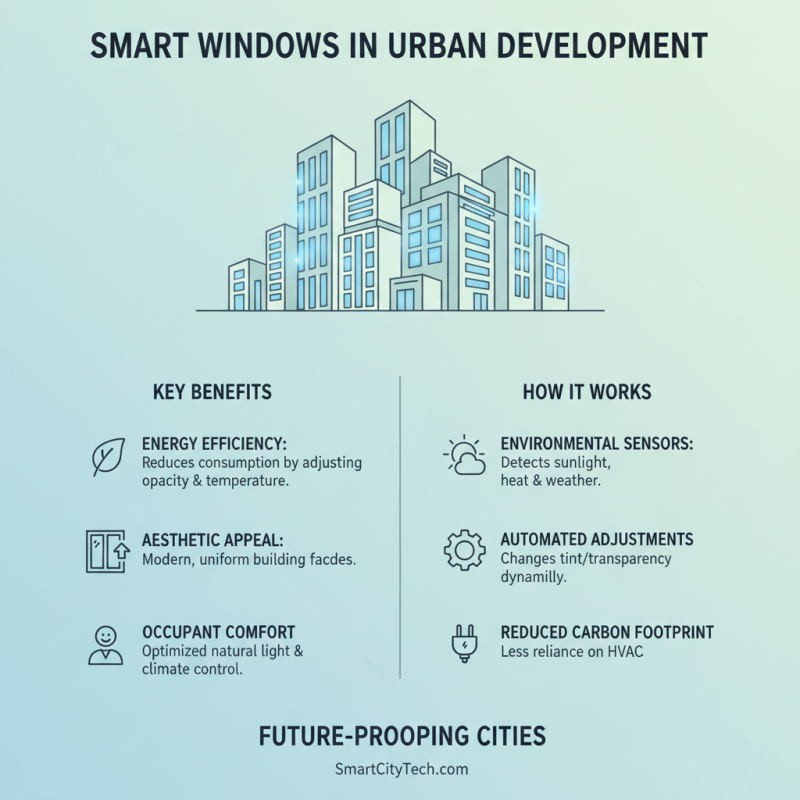
Urban development is rapidly embracing smart window technologies. These innovations integrate energy efficiency with aesthetic appeal. Buildings equipped with smart windows can adjust their opacity and temperature in response to environmental changes. This capability reduces energy consumption while enhancing occupant comfort.
The push for sustainable architecture is notable in city planning. Smart windows contribute to this goal by minimizing reliance on artificial lighting and heating. However, there are challenges. The initial investment can be high, and the technology still requires widespread education for architects and builders.
Some developers have encountered difficulties in implementation. Effective integration into existing designs is not always straightforward. Additionally, the long-term durability of these technologies is still being evaluated. As cities strive for modernity, the journey toward fully smart buildings remains a work in progress.
The trend of using recyclable materials in window production is gaining momentum in China. According to a recent report by the Green Building Council, about 40% of new constructions now incorporate sustainable materials. This shift reflects a growing awareness of environmental responsibility among architects and developers.
Recyclable materials for windows range from aluminum to advanced composites. These materials not only reduce waste but also improve energy efficiency. Research indicates that windows made with recyclable materials can achieve up to a 25% higher energy performance index than traditional options. Designers are exploring innovative ways to integrate these materials, but challenges remain in balancing aesthetics with functionality.
However, the transition to recyclable windows is not without complexities. The recycling processes can be costly and may not always yield high-quality materials. Additionally, there is a need for greater industry standards to ensure quality control. As the market evolves, ongoing discussions around these challenges will be crucial for the future of sustainable window production.
In recent years, China has embraced advanced glass technologies in its architectural landscape. Skyscrapers now boast energy-efficient windows that respond to climate conditions. According to the International Glass Association, about 70% of new buildings feature these innovative window designs. They ensure optimal energy performance while enhancing aesthetics.
Architects increasingly favor double-glazed and triple-glazed windows. These options significantly reduce energy consumption by maintaining indoor temperatures. Reports indicate that such glass technologies can cut energy usage by up to 40% compared to single-glazed solutions. However, challenges remain. Installation costs are higher, which may deter smaller projects from utilizing these modern advancements.
Smart glass is another emerging trend, allowing for real-time adjustment of light and heat transmission. Though promising, smart glass technology often requires complex systems and maintenance considerations. This duality illustrates the delicate balance between innovation and practicality. As they push boundaries, architects must weigh performance against cost. Each decision can profoundly shape the skyline of China's urban future.
| Trend Category | Description | Technological Innovations | Sustainability Features |
|---|---|---|---|
| Smart Glass | Utilizes technology to adjust transparency based on light conditions. | Electrochromic and thermochromic technologies. | Reduces energy consumption, improves thermal comfort. |
| Energy-Efficient Windows | Designed to minimize heat transfer, ensuring better insulation. | Double and triple glazing with low-E coatings. | Enhances building energy performance and reduces carbon footprint. |
| Acoustic Insulation | Reduces noise pollution from external sources. | Specialized laminated glass technology. | Improves urban living conditions by enhancing comfort. |
| BIM Integration | Incorporation of building information modeling in design processes. | Facilitates data-driven design and analysis. | Streamlines project management and increases efficiency. |
| Large Format Glass | Use of oversized panels for aesthetic appeal and maximized views. | Advanced fabrication and handling technologies. | Enhances natural light entry and reduces artificial lighting needs. |