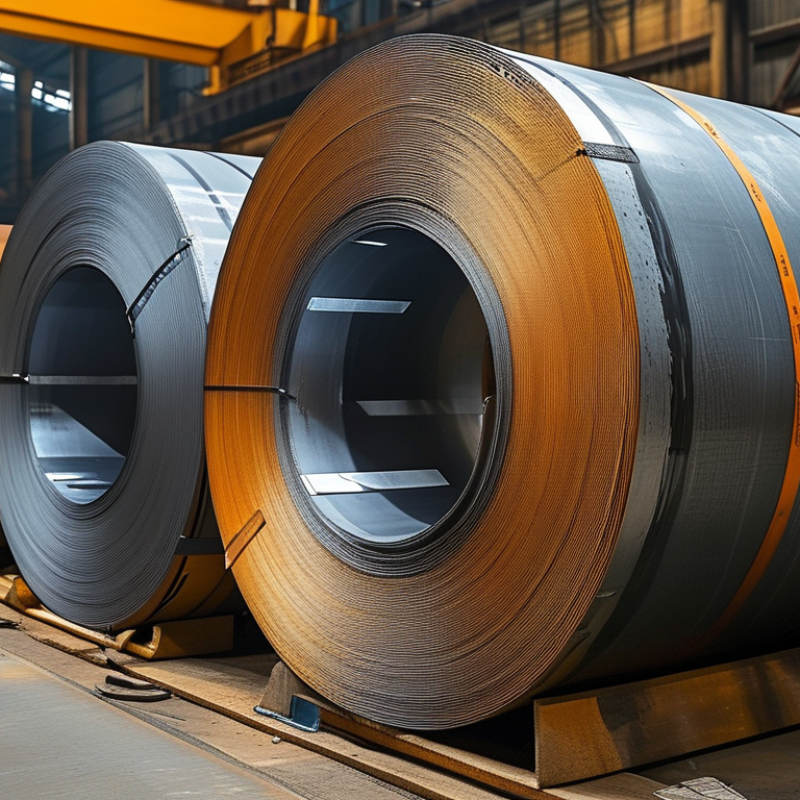
How to Choose Hot Rolled Steel Carbon Coils for Your Projects?
Choosing the right material is crucial for any project. Hot Rolled Steel Carbon Coil is often a popular choice among builders and manufacturers. Its versatility and strength make it ideal for various applications.
When selecting the right Hot Rolled Steel Carbon Coil, consider factors like thickness, width, and finish. Each project may require different specifications. For example, the thickness of the coil can affect its durability and weldability. If you're unsure about these aspects, consulting with experts can save time and resources.
While Hot Rolled Steel Carbon Coil has many benefits, it's essential to note potential drawbacks. The surface finish may not be perfect, and additional treatment might be necessary. Users should be prepared for these challenges. Balancing performance needs with project goals is key. Making informed decisions is what ultimately leads to successful outcomes.
Understanding Hot Rolled Steel Carbon Coils and Their Applications
Hot rolled steel carbon coils are versatile materials widely used in various industries. They are produced by rolling steel at high temperatures, which enhances their workability. Applications include automotive, construction, and manufacturing sectors. According to recent industry reports, the global market for hot rolled steel is projected to grow significantly, driven by demand in emerging economies.
While selecting hot rolled steel coils, consider factors such as thickness, width, and mechanical properties. The thickness typically ranges from 1.5 mm to 25 mm. Coils have varying tensile strengths, with values commonly between 270 and 500 MPa. These specifications determine their suitability for different applications. Always verify that the sources of steel meet standardized quality certifications to ensure reliability.
Tips: Check the steel's surface for defects. Poor surface quality can affect performance. Also, inquire about the carbon content. Higher carbon levels may enhance strength but can reduce ductility. Keep in mind, some manufacturers may cut corners to save costs, impacting material quality. Sourcing from reputable suppliers can mitigate risks and ensure that your project meets the required standards.
Key Factors to Consider When Selecting Hot Rolled Steel Carbon Coils
When selecting hot rolled steel carbon coils, several key factors must be considered. The material specification is vital. The industry standard for carbon content in hot rolled steel typically ranges from 0.05% to 0.25%. This impacts strength and weldability. Higher carbon content can enhance strength but may reduce ductility. It's crucial to identify what your project demands.
Next, surface quality is another significant factor. Hot rolled coils usually have a scale that can affect appearance and performance. Residual mill scale may require additional cleaning if critical surface properties are needed. According to industry reports, more than 30% of users indicate surface quality impacts their end product. In some cases, surface defects can lead to failures. Understanding the impact of surface conditions on your application is essential.
Thickness and width of the coils also play a critical role. Standard sizes might not suit every project. Some reports suggest that approximately 25% of projects require custom specifications. This can lead to longer lead times and added costs. Thus, carefully assessing the dimensions and conforming to project requirements is vital for successful outcomes.
Evaluating Quality Standards and Specifications for Carbon Coils
When selecting hot rolled steel carbon coils, understanding quality standards is crucial. The American Society for Testing and Materials (ASTM) outlines specifications for hot rolled carbon steel. ASTM A1011 is a common standard, detailing aspects such as minimum yield strength and thickness tolerances. Coils that meet these standards typically have a yield strength of at least 33 ksi.
Another important factor is the steel's surface finish. A quality coil should be free of rust, scales, and surface blemishes. According to the Steel Construction Institute, surface imperfections can lead to structural weaknesses. Inspection data indicates that even minor flaws can result in significant failures under stress. This underlines the necessity of thorough quality evaluation during selection.
Moreover, chemical composition plays a critical role. Carbon content typically ranges from 0.05% to 0.25%. Higher carbon levels can enhance strength but may reduce ductility. It is essential to assess whether the desired balance of strength and ductility aligns with project requirements. It’s common for projects to overlook these specifications, leading to material mismatch and failures later on. Knowledge and attention to detail are necessary for making informed decisions.
Comparison of Quality Standards for Hot Rolled Steel Carbon Coils
Cost Considerations and Budgeting for Your Steel Coil Projects
When embarking on your steel coil projects, cost considerations are paramount. Hot rolled carbon steel coils are often priced based on thickness, width, and market demand. Understanding these factors can help you make more informed budgeting decisions. Always be prepared for fluctuations in prices due to market volatility.
Tip: Research historical price trends. Knowing past prices can guide your expectations for future costs. This approach may help in negotiating with suppliers.
Creating a solid budget requires a thorough understanding of additional costs. Shipping, handling, and storage fees can significantly impact your overall expenses. Be mindful of unforeseen charges that could arise during the procurement process. Regularly reassess your budget to accommodate these variables.
Tip: Break down your budget into categories. Allocate specific amounts for material, labor, and unexpected costs. This can provide clearer insight into your financial standing.
In projects, it’s natural to underestimate costs at times. This can lead to budget overruns. Always have contingency plans to mitigate financial risks. Regular reviews and adaptations to your budget can enhance your project's success. Stay informed and flexible to navigate the challenges effectively.
Sourcing and Supplier Options for Hot Rolled Steel Carbon Coils
When sourcing hot rolled steel carbon coils, it's crucial to assess various supplier options. The quality of steel can significantly impact your project's outcome. Look for suppliers with a good track record and industry experience. Check their certifications and reviews. It's essential to ensure the materials meet the required specifications.
Consider local suppliers as well as international ones. Local sources may offer quicker delivery times, while international suppliers might provide better pricing. Compare prices and terms. Moreover, effective communication is key. Engage with suppliers who understand your needs and can provide technical support. Transparency in pricing and product quality is vital.
Don't forget to reflect on your sourcing strategy. A lower price does not always guarantee better quality. Sometimes, it requires balancing cost and materials performance. Be ready to adapt your sourcing decisions based on feedback and changing project requirements. Prioritize reliability and expertise in your supplier relationships.
How to Choose Hot Rolled Steel Carbon Coils for Your Projects? - Sourcing and Supplier Options for Hot Rolled Steel Carbon Coils
| Dimension (mm) | Thickness (mm) | Weight (kg/m2) | Tensile Strength (MPa) | Supplier Lead Time (days) |
| 1000 x 2000 | 3 | 22.5 | 400 | 15 |
| 1250 x 2500 | 5 | 31.25 | 450 | 20 |
| 1500 x 3000 | 8 | 50 | 500 | 25 |
| 2000 x 4000 | 10 | 62.5 | 550 | 30 |