How to Choose the Right Building Windows for Your Home in 2025
As we move into 2025, the selection of building windows has emerged as a pivotal consideration for homeowners looking to enhance both the aesthetics and energy efficiency of their residences. Building windows serve not only as essential entry points for natural light but also play a significant role in maintaining a comfortable indoor climate. With advancements in technology and design, the array of options available can feel overwhelming. Therefore, understanding the features and benefits of various building windows is crucial for making an informed decision.
In today's market, energy efficiency, durability, and style are key factors influencing the choice of building windows. Homeowners are increasingly seeking windows that not only complement the architectural style of their homes but also contribute to energy savings and sustainability. The right selection can lead to reduced energy costs and improved comfort levels, making it imperative to consider all available choices. As we delve into the specifics, this guide will help you navigate the complexities of selecting the perfect building windows that meet your needs and align with the latest trends in home design and efficiency.
Understanding Different Types of Windows Available in 2025
When choosing the right building windows for your home in 2025, it's essential to understand the various types available in the market, each offering unique features and benefits. One popular option is triple-glazed windows, which consist of three panes of glass separated by insulating spaces. This design enhances energy efficiency, providing excellent thermal insulation and soundproofing, making it ideal for homes in busy urban areas. Furthermore, advancements in glazing technology have led to coatings that reflect heat while allowing natural light to enter, optimizing indoor comfort.
Another type gaining popularity is vinyl windows, known for their durability and low maintenance requirements. They resist peeling, fading, and warping, making them a practical choice for homeowners looking for longevity. Additionally, vinyl windows can come in a variety of styles and colors to complement any architectural design. For those interested in aesthetics and energy conservation, wood-clad windows combine the classic look of wood with the benefits of modern materials, offering a warm interior feel alongside robust external protection. This variety allows homeowners to select windows that align with their preferences for style, functionality, and efficiency.
Window Types Popularity in 2025
Evaluating Energy Efficiency Ratings for Modern Windows
When selecting building windows for your home in 2025, understanding
energy efficiency ratings is crucial. Window energy ratings, often presented as labels, provide a clear indication
of a window's performance in terms of insulating properties and energy consumption. Key metrics to consider include
U-factor, Solar Heat Gain Coefficient (SHGC),
and Visible Transmittance (VT). The U-factor measures the rate of heat
transfer; a lower U-factor signifies better insulation. For homeowners in varying climates, this is
paramount in maintaining comfortable indoor temperatures and reducing heating and cooling costs.
The SHGC is essential for determining how much solar radiation passes through the window.
Windows with a lower SHGC are better suited for hot climates,
as they minimize the amount of heat entering the home, thereby keeping air conditioning needs lower. Conversely, in
cooler regions, a higher SHGC can be beneficial, allowing natural sunlight to warm the home during
colder months.
Lastly, VT measures how much visible light is transmitted through the window, affecting both aesthetics
and indoor lighting. By evaluating these ratings, homeowners can select windows that not only meet their functional
needs but also enhance energy efficiency and comfort, ultimately leading to long-term savings and environmental benefits.
Identifying Aesthetic Styles and Materials for Your Home's Windows
When selecting the right windows for your home in 2025, it is crucial to consider both aesthetic style and material. According to a recent industry report, over 70% of homeowners prioritize the appearance of their windows as a key factor in their renovation decisions. Styles such as contemporary, traditional, and farmhouse continue to dominate the market, with many opting for large, expansive windows that enhance natural light and create a seamless connection between indoor and outdoor spaces. Architectural trends are shifting towards minimalistic designs, with clean lines and a focus on geometric shapes, making it essential to choose window styles that not only suit your home's architecture but also resonate with your personal taste.
In terms of materials, the market is witnessing a significant shift towards energy-efficient solutions. A study conducted by the American Architectural Manufacturers Association revealed that vinyl and fiberglass windows are gaining popularity due to their durability and thermal performance. Approximately 60% of homeowners now prefer low-maintenance materials that offer energy efficiency, with Energy Star-rated options making a substantial difference in heating and cooling costs. As sustainability becomes a rising concern, many consumers are also exploring window materials that are sourced responsibly, such as reclaimed wood or aluminum with eco-friendly coatings, ensuring that their choices do not compromise both aesthetics and environmental impact.
Considering Local Climate Conditions When Choosing Windows
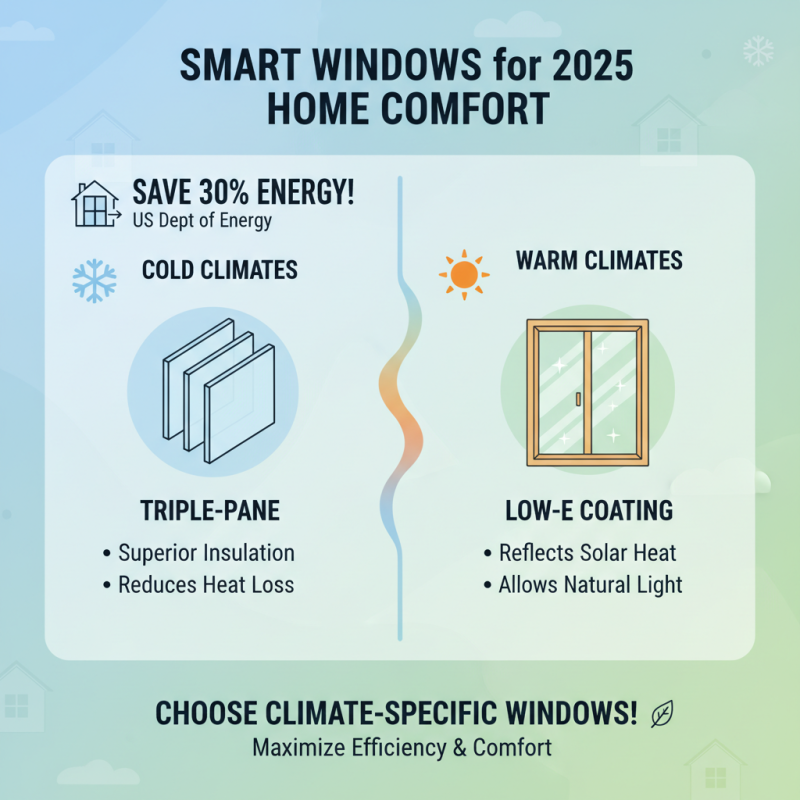
When selecting the right building windows for your home in 2025, it is essential to consider local climate conditions to maximize energy efficiency and comfort. According to the U.S. Department of Energy, approximately 30% of a home’s heating and cooling energy is lost through its windows. Therefore, choosing the appropriate window type based on climate can significantly impact energy consumption. For instance, homes in colder climates may benefit from triple-pane windows, which provide superior insulation compared to single or double-pane options. On the contrary, homes in warmer regions might require low-emissivity (low-E) coatings on their windows to reflect solar heat while allowing natural light to enter, thus reducing cooling costs.
Moreover, understanding regional climate patterns can guide homeowners in selecting windows with the right solar heat gain coefficient (SHGC) and U-factor ratings. The National Fenestration Rating Council (NFRC) offers certifications that help consumers make informed choices based on their location. For example, homes located in humid climates may require windows with a high SHGC to capture solar energy effectively during cooler months, while the U-factor rating should be as low as possible to decrease heat transfer in warmer seasons. By aligning window specifications with local climate data, homeowners not only enhance their property’s energy efficiency but also increase overall comfort throughout the year.
Budgeting for Window Replacement or Upgrades in 2025
When budgeting for window replacement or upgrades in 2025, it's essential to start with a clear understanding of your financial limits and desired outcomes. Assessing your budget involves more than just determining the cost of new windows; it includes consideration of installation fees, potential structural modifications, and ongoing maintenance. A well-developed budget can help you avoid unexpected expenses and ensure that you invest wisely in energy-efficient and aesthetically pleasing windows.
Tips: Begin by researching the average costs associated with window types in your area. Gather quotes from multiple contractors to compare prices, and don't forget to factor in any additional expenses such as insulation or framing that may arise during the installation process. It's also wise to set aside a contingency fund of 10-15% of your total budget for unforeseen issues that might occur once the project is underway.
Furthermore, prioritize the features that matter most to you, such as energy efficiency, style, and durability. Selecting windows that align with your long-term energy-saving goals can provide significant returns on your initial investment. Consider consulting with a home improvement expert to discuss potential government rebates or financing options to ease the financial burden. This proactive approach will not only enhance your home's comfort and aesthetics but also contribute to its overall value.
How to Choose the Right Building Windows for Your Home in 2025 - Budgeting for Window Replacement or Upgrades in 2025
| Window Type |
Energy Efficiency Rating |
Average Cost per Window ($) |
Lifespan (Years) |
Maintenance Level |
| Double Glazed |
U-Factor: 0.30 |
300 |
20 |
Low |
| Triple Glazed |
U-Factor: 0.20 |
450 |
25 |
Medium |
| Vinyl Windows |
U-Factor: 0.25 |
250 |
30 |
Low |
| Aluminum Windows |
U-Factor: 0.35 |
400 |
20 |
High |
| Wood Windows |
U-Factor: 0.30 |
350 |
25 |
Medium |