How to Choose the Best Grinding Machine for Your Needs?
Choosing the right Grinding Machine can be challenging. The market offers various options that cater to different needs. Understanding your specific requirements is crucial for making an informed decision.
Not all grinding machines are created equal. They come in various sizes, types, and functions. A proper choice depends on your materials and the desired finish. For instance, a heavy-duty model might be necessary for industrial applications. Conversely, a smaller, portable machine may suffice for home use.
It's easy to overlook details when selecting a grinding machine. Quality and durability matter significantly. Researching brands and reading user reviews can guide you. However, not every review reflects real-world performance. Consider testing machines whenever possible to see how they handle your specific tasks.
Understanding Different Types of Grinding Machines for Specific Needs
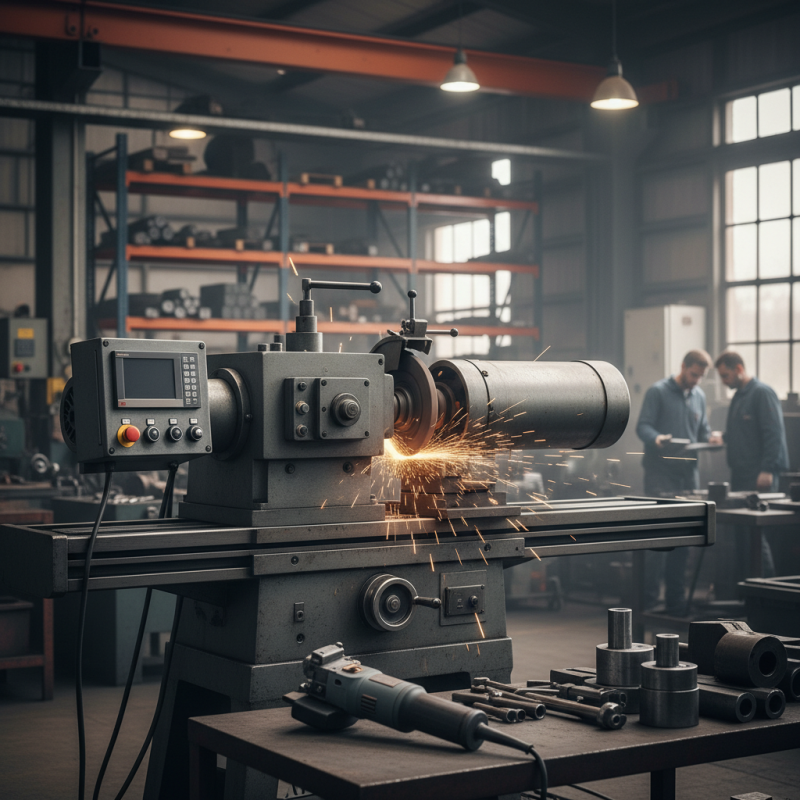
When selecting a grinding machine, understanding the different types is crucial. Each type serves unique purposes, which can greatly impact your project. For example, surface grinders are ideal for creating flat surfaces. They offer precision and a smooth finish. On the other hand, cylindrical grinders excel at shaping the outer diameter of objects. These machines work well for complex geometries.
Belt sanders are another option. They are versatile and can handle various materials. However, they may not achieve the same level of precision as other machines. It's important to evaluate your specific needs. Consider the material you are working with. Is it metal or wood? This decision influences your grinding machine choice.
While some machines may seem perfect initially, they can present challenges. User familiarity plays a role. Do you have experience with them? Sometimes, the right machine for your needs might not be the most complex one. Finding a balance between functionality and ease of use is vital. Reflect on what tasks you frequently complete. This will guide you in making a better choice.
Key Factors to Consider When Selecting a Grinding Machine
Choosing the right grinding machine can be challenging. Several key factors should guide your decision. First, consider the type of material you will be grinding. Hard materials require more powerful machines. For softer materials, a less robust machine could suffice. Assess your grinding volume needs as well. Higher volumes need machines with larger capacities.
The machine's precision also matters. Depending on your project, you may need tight tolerances. Look for machines that offer consistent performance. Features such as adjustable speed can provide flexibility for various tasks. Don’t overlook the importance of maintenance. A machine that's hard to service can lead to downtime.
Lastly, think about the machine's safety features. This can prevent accidents and keep operators safe. It's essential to have a user-friendly interface as well. Complicated controls can lead to errors. Reflect on your specific needs and how the grinding machine meets them. Take time to weigh these factors before making a selection.
Importance of Grinding Wheel Material and Specifications
Choosing the right grinding wheel is crucial for achieving optimal results in your projects. The material of the grinding wheel directly affects its performance, efficiency, and longevity. Common materials include aluminum oxide and silicon carbide. Each serves specific tasks, such as metal grinding or stone cutting. Understanding the specifications helps you pick the best option for your needs.
When considering grinding wheel specifications, focus on grit size, bond type, and hardness. Grit size affects the wheel's smoothness and aggressiveness. Coarse grits remove material quickly but can leave a rough finish. Fine grits provide a smoother result but work slower. The bond type influences how the grains stay together. A weaker bond allows flexibility, while a stronger bond yields greater precision.
Tips: Always check compatibility with your grinding machine before purchasing. Not all wheels fit every grinder. Also, consider the material of the object you plan to grind. Lastly, don't overlook the importance of safety gear. Even the best wheel requires caution during operation. Fine-tuning your choices based on these factors increases the likelihood of success, but sometimes trial and error is necessary. Don't hesitate to reflect on your choices and learn from mistakes.
Evaluating Power Requirements and Motor Efficiency in Grinding
Choosing the right grinding machine involves careful consideration of power requirements and motor efficiency. Understanding the motor's power rating is crucial. A machine with a higher wattage often offers better performance. However, this does not always mean more power is better. Assess your specific grinding needs; sometimes, lower power can suffice.
Efficiency plays a significant role in productivity. A powerful motor that consumes excessive energy may not be the best choice. Look for machines boasting high efficiency ratings, which ensures more output per energy unit. Check their specifications, but also consider real-world usage experiences from others.
Evaluate cooling mechanisms in the machines too. Overheating can lead to reduced efficiency and even damage. A reliable grinding machine should integrate effective cooling features. Additionally, consider the machine's weight and ease of handling. Heavy machines may provide stability, but they can be cumbersome. Adjusting power needs and motor efficiency can significantly improve your grinding experience.
Power Requirements and Motor Efficiency in Grinding Machines
Assessing Cost vs. Performance: Finding Value in Grinding Machines
Choosing the right grinding machine involves a careful assessment of cost versus performance. It is essential to understand that higher prices do not always guarantee better quality. Often, machines with modest price points can deliver satisfactory results. Buyers should focus on the specifications that truly matter for their specific tasks.
When evaluating grinding machines, consider the type of material being processed. Different machines perform better on specific materials. For instance, harder materials require more robust machinery. Check the power rating, speed, and grinding capacity. These factors impact both performance and durability. However, it’s easy to get lost in numbers and forget about real-world applications.
Budget constraints are real. Some machines may seem affordable but have hidden costs in maintenance or consumables. It’s wise to read user reviews and seek recommendations. Assess the long-term value, not just the upfront cost. Reflecting on these aspects can lead to more informed decisions and reduce the risk of buyer’s remorse. Make sure to balance what you need against what you can afford, ensuring you don’t cut corners on essential features.