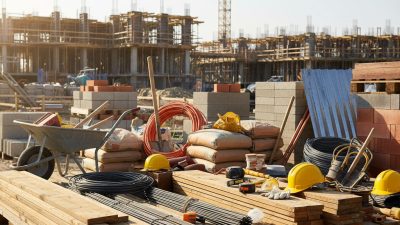
In the world of construction, every project hinges on a crucial element: construction supplies. These essential materials form the backbone of any building endeavor, ranging from small renovations to large-scale developments. Construction supplies encompass a wide array of items, including everything from fundamental materials such as cement and lumber, to specialized tools and equipment necessary for completing tasks efficiently and safely.
Understanding the significance of construction supplies is vital for anyone involved in the construction industry. The quality and availability of these supplies directly impact not only the timeline and budget of a project but also the overall safety and durability of the finished structures. Without the proper construction supplies, even the most meticulously planned projects can face delays, increased costs, and potential hazards.
This exploration of construction supplies will delve into their key roles and why they are indispensable for the success of any construction project. By recognizing the importance of sourcing reliable and high-quality materials, project managers and contractors can ensure that their work meets the highest standards of safety and excellence.
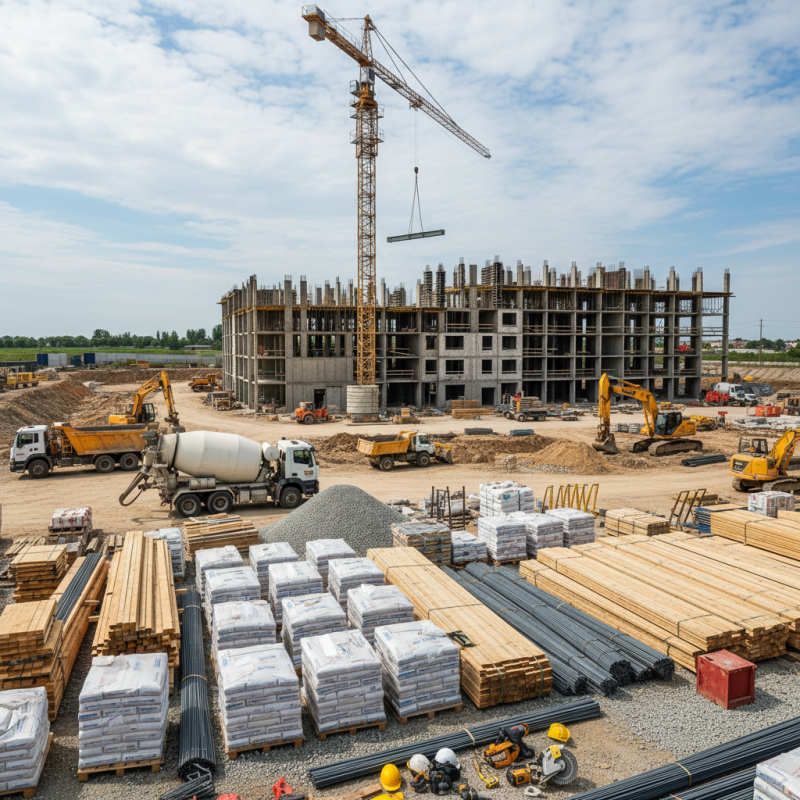
Construction supplies encompass a wide array of materials and tools essential for carrying out building and civil engineering projects. These supplies include everything from raw materials like cement, steel, and wood to essential equipment such as scaffolding, hand tools, and machinery. Each category of construction supply plays a pivotal role in the successful execution of a project, ensuring that structures are built to specifications and standards, thereby guaranteeing safety and durability.
In the construction industry, the role of these supplies extends beyond mere functionality. They contribute to the efficiency of the workflow, influencing timelines and budgets significantly. By sourcing the appropriate construction supplies, project managers can optimize their operations, mitigate risks, and enhance the overall quality of the work produced. Furthermore, the right materials and tools can lead to innovations in design and building practices, fostering advancements within the industry. In essence, construction supplies are not just components of the construction process; they are vital elements that determine the project's success and the longevity of the structures constructed.

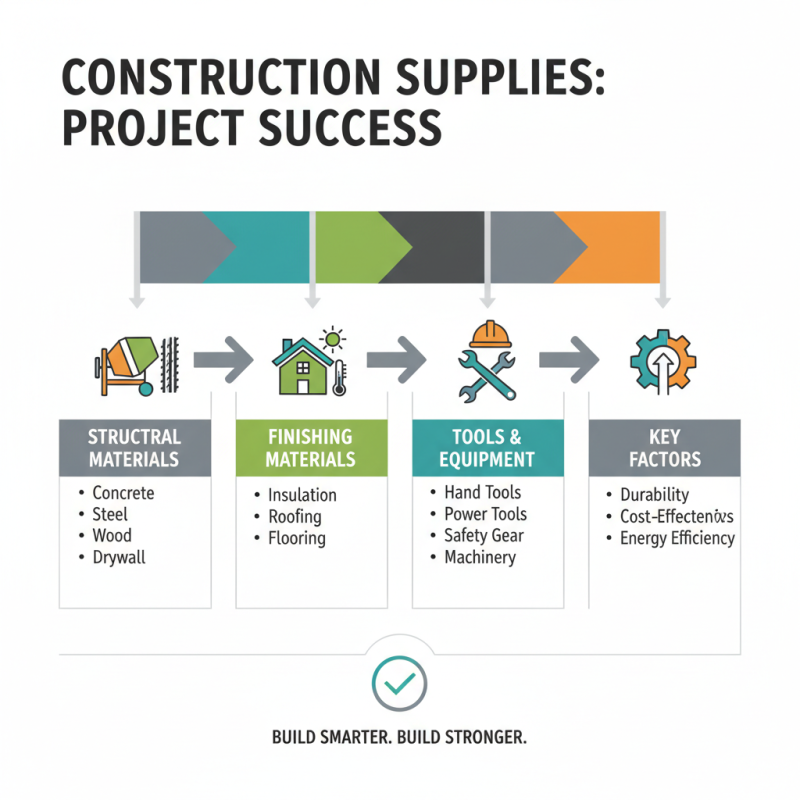
Construction supplies play a critical role in the success of any building project, encompassing a wide range of materials, tools, and equipment essential for construction activities. Materials are the foundation of construction supplies, including structural elements like concrete, steel, wood, and drywall. These materials are chosen based on the requirements of the project, such as durability, aesthetic appeal, and cost-effectiveness. Other supplies like insulation, roofing, and flooring materials also contribute to the overall stability and energy efficiency of a structure.
In addition to materials, tools and equipment are indispensable in the construction industry. Hand tools such as hammers, saws, and levels are fundamental for both small and large tasks, allowing for precision and efficiency. Power tools, including drills and saws, enhance productivity, enabling workers to complete tasks more rapidly and with greater accuracy. Heavy machinery, like excavators and bulldozers, is also vital for site preparation and large-scale construction activities, making them essential for any major project. Together, these supplies ensure that construction processes run smoothly and effectively, ultimately leading to the successful completion of projects.
The construction supplies market has witnessed significant growth in recent years, driven by a surge in infrastructure development and housing construction across the globe. As urban populations continue to rise and economies recover from past downturns, the demand for construction materials, tools, and equipment has escalated. This trend is particularly notable in emerging markets where rapid urbanization is leading to increased investments in both residential and commercial construction projects.
Moreover, advancements in technology are contributing to this market expansion. The introduction of eco-friendly materials and innovative construction techniques is reshaping industry practices, thus attracting a broad range of contractors and builders. These trends are not only enhancing efficiency but also reducing the environmental impact of construction. As stakeholders become more aware of sustainability, the shift towards environmentally conscious supplies will likely become a defining feature of the market's evolution. Overall, the global construction supplies market is poised for continued growth, underpinned by the ongoing demand for modernization and sustainable practices in construction methodologies.
The global construction supplies market is continuously evolving, driven by the demand for effective and sustainable building materials. This bar chart illustrates the market value of various essential construction supplies, highlighting the prominence of steel, cement, wood, bricks, and glass in the construction industry.
The impact of quality construction supplies on project efficiency and safety cannot be overstated. According to a report by the Construction Industry Institute, projects that use high-quality materials tend to see a 20% increase in overall efficiency, resulting in significant time and cost savings. Quality supplies not only enhance the durability and longevity of structures but also reduce the likelihood of project delays caused by material failures. When contractors invest in superior construction supplies, they can achieve tighter construction schedules and meet project deadlines more effectively.
In terms of safety, the same report indicates that projects with high-quality materials report a 15% lower accident rate on-site. Utilizing dependable construction supplies ensures better compliance with safety standards, thereby minimizing risks related to structural failures and hazardous working conditions. Furthermore, the implementation of reliable materials contributes to the overall health and safety of workers, fostering a more secure work environment. Ultimately, quality construction supplies are pivotal not just for enhancing efficiency and costs, but also for protecting the health and well-being of everyone involved in the construction process.
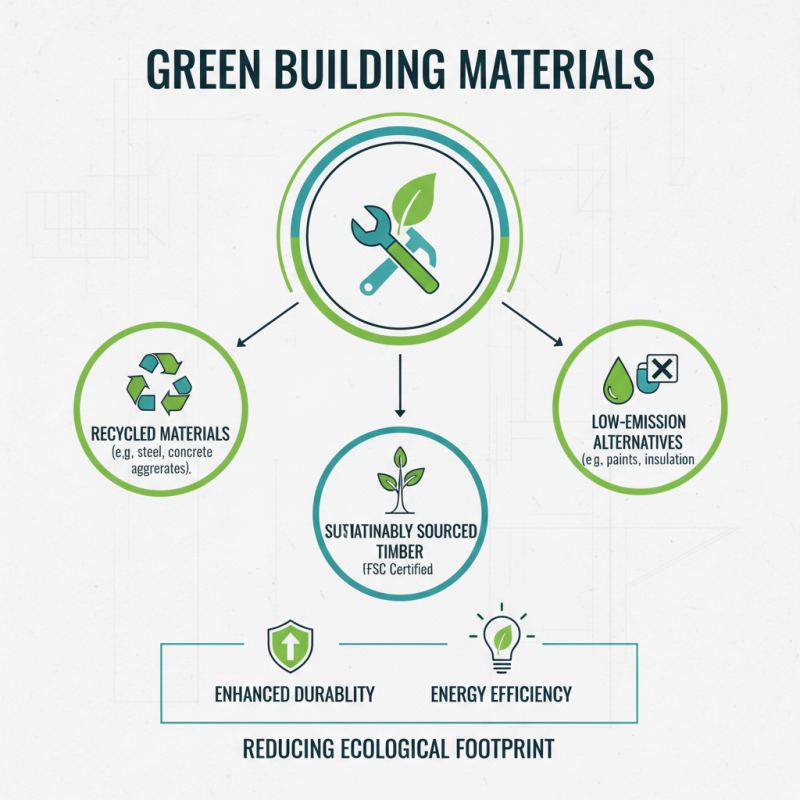
Sustainability in construction supplies is becoming increasingly crucial as the industry shifts towards more environmentally friendly practices. This movement is characterized by the integration of eco-friendly materials and innovative techniques that not only reduce environmental impact but also enhance the long-term durability and efficiency of constructions. Builders and architects are now prioritizing products made from recycled materials, sustainably sourced timber, and low-emission alternatives, ensuring that the ecological footprint of their projects is minimized.
Innovations in construction supplies are also paving the way for greener building practices. For instance, the use of modular construction techniques allows for better material utilization and waste reduction. Additionally, advancements in insulation materials and energy-efficient systems contribute to lower operational costs and reduced energy consumption in the long run. By embracing these eco-friendly trends, the construction industry is not only responding to the growing demand for sustainability but also setting a foundation for future developments that prioritize the health of both people and the planet.