What is the Difference Between Doors and Windows?
When discussing the differences between doors and windows, it’s important to consider their distinct roles in architecture. Both serve essential functions, impacting a building’s aesthetics, security, and energy efficiency. According to a report by the National Association of Home Builders, windows account for up to 25% of a home’s heat loss. This highlights their role in energy management, while doors provide necessary entries and security.
The market for doors and windows has shown significant growth. A recent study from Research and Markets projected a compound annual growth rate of 4.3% from 2021 to 2026. That means continuous innovations in designs and materials are influencing consumer choices. Despite the advancements, problems remain. For instance, poorly insulated doors and windows can still allow drafts, making homes less energy-efficient.
In home design, the selection of doors and windows can often reflect personal style. They can transform a space or detract from it. However, many homeowners overlook their long-term implications, such as maintenance costs and energy savings. Understanding these differences is crucial for making informed decisions about doors and windows.
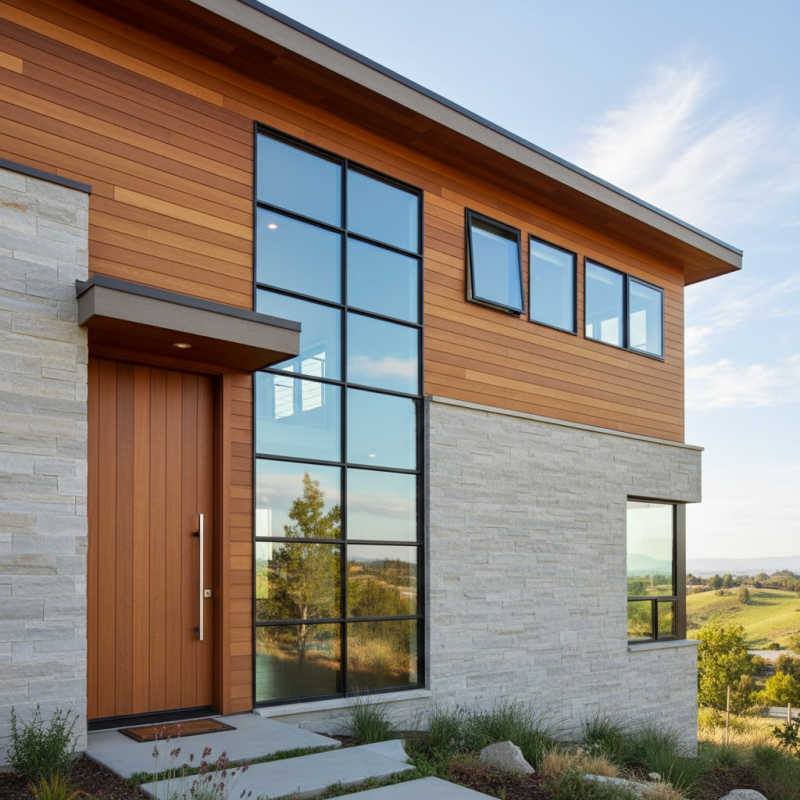
Definition of Doors and Windows
Doors and windows serve distinct but complementary functions in building design. A door is primarily an entryway. It allows for access and egress, offering security and privacy. According to industry reports, over 70% of residential entries are capable of withstanding forced entry due to advancements in door technology.
In contrast, windows provide light and ventilation. They create a connection between the indoors and outdoors. Research indicates that natural light can improve mental health, with well-lit spaces driving productivity by up to 20%. Windows can be decorative as well, enhancing curb appeal. However, poorly designed windows may lead to energy loss, making energy-efficient designs increasingly essential.
Designing these elements requires thoughtful consideration. A good door can make a strong impression, but aesthetics alone won't ensure security. Similarly, windows must balance function and style. Many homeowners overlook energy ratings, which can lead to long-term costs. Homeowners must reflect on these choices during the design process to avoid making costly mistakes in the future.
Functional Differences Between Doors and Windows
Doors and windows serve distinct yet vital roles in architecture. A door primarily provides access and security. It acts as a barrier, allowing entry and exit. In contrast, windows offer light and ventilation. They connect the indoors to the outdoors. This functional divide shapes how we experience spaces.
When considering doors, materials often vary greatly. Wood, metal, and fiberglass are common choices. Each material offers different insulation and aesthetic qualities. Windows, on the other hand, usually incorporate glass. They vary in size and design, affecting how much light enters a room. This difference can influence mood and energy use.
We often overlook how these elements affect our daily lives. Think about your front door. Is it inviting? Does it feel secure? The design impacts first impressions. Windows frame views and affect natural light. Are they too small or poorly placed? These considerations matter. Each detail contributes to comfort, atmosphere, and functionality.
Construction and Design Aspects of Doors vs. Windows
When comparing doors and windows, the construction and design aspects are distinct yet interconnected. Doors often serve as entry points. They are usually solid and provide security. Windows, on the other hand, are designed for light and ventilation. They are typically more open and transparent. This fundamental difference shapes how each is constructed.
For doors, materials like wood, metal, and fiberglass are common. These materials offer strength and durability. The design might focus on aesthetics or functionality. However, some doors may lack proper insulation. This can lead to energy loss, which is a common oversight. Windows often use glass and frames made of various materials. They allow for natural light but may pose issues with heat retention. Poorly designed windows can lead to drafts.
Both elements contribute to a building's overall architecture. A door invites people inside, while a window connects the interior to the outside. Sometimes, the proportions between these features can be off. In such cases, it might feel unbalanced. Understanding these differences can guide thoughtful design choices.
Comparison of Doors and Windows in Construction and Design
This chart illustrates the comparison between doors and windows based on various construction and design aspects. The metrics assessed include material variety, energy efficiency, cost, installation time, and security, with scores representing their performance or benefits.
Common Types and Materials Used for Doors and Windows
When considering doors and windows, various materials and types come into play. Common materials for doors include wood, steel, fiberglass, and aluminum. Each type has its benefits and drawbacks. For instance, wood doors offer aesthetic charm but require regular maintenance. On the other hand, steel doors provide security but can rust if not properly treated.
Windows also showcase a variety of types and materials, including vinyl, wood, and composite options. Vinyl windows are popular for their durability and low maintenance, while wood windows add elegance. However, they may need repainting over time. According to industry data, energy-efficient windows can save homeowners up to 30% on heating and cooling costs. This can significantly affect your long-term budget.
Tips: When selecting materials, consider your climate. Some materials perform better in specific weather conditions. Regular inspections can prevent long-term issues. Always think about energy efficiency; it pays off in the long run.
Practical Applications in Buildings: Where to Use Each
Doors and windows serve distinct yet complementary functions in buildings. Windows allow natural light to enter and offer views, while doors provide access and security. In practical applications, choosing the right window or door type matters significantly. For instance, a report by the World Green Building Council highlights that daylighting can enhance productivity by up to 20%.
Windows should be strategically placed to maximize light while minimizing heat loss. According to the U.S. Department of Energy, improper window placement can result in a 10-30% energy loss. This indicates that poor planning can lead to inefficiencies. Doors, on the other hand, are critical for traffic flow. They need to be sized correctly to avoid crowding and ensure safety during emergencies.
Selecting the right materials is crucial. Glass types, such as low-E or triple glazing, impact energy efficiency. Simultaneously, door materials like steel or fiberglass offer different levels of durability and insulation. Yet, many buildings overlook these details. A poorly insulated door can let in drafts, reducing the overall comfort of a space. It’s essential to balance aesthetics with functionality to create effective living and working environments.