What is the Importance of Construction Supplies in Building Projects?
In any building project, the significance of construction supplies cannot be overstated. These materials serve as the backbone of construction, ensuring that structures are safe, durable, and functional. Each type of supply, from concrete and steel to insulation and plumbing fixtures, plays a crucial role in the overall integrity of a project. Yet, the quality and relevance of these supplies may vary significantly between suppliers.
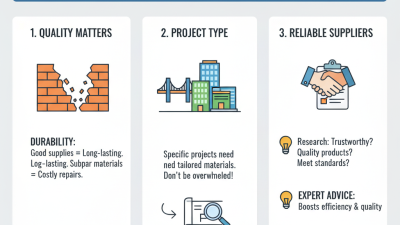
Choosing the right construction supplies requires expertise and careful consideration. Builders must evaluate not only the cost but also the reliability of the materials. Poor choices can lead to delays, safety hazards, and increased expenses. Sometimes, builders focus too much on price, risking quality in the process. This reflects a common pitfall in the industry.
Investing time in selecting top-notch construction supplies can yield long-term benefits. Quality materials enhance both the lifespan and safety of a structure. As projects become more complex, having trustworthy suppliers can make or break success. A reliable supply chain supports timely project completion and reduces risks. Balancing cost with quality is essential, and this requires industry knowledge and experience.
The Role of Construction Supplies in Project Planning and Management
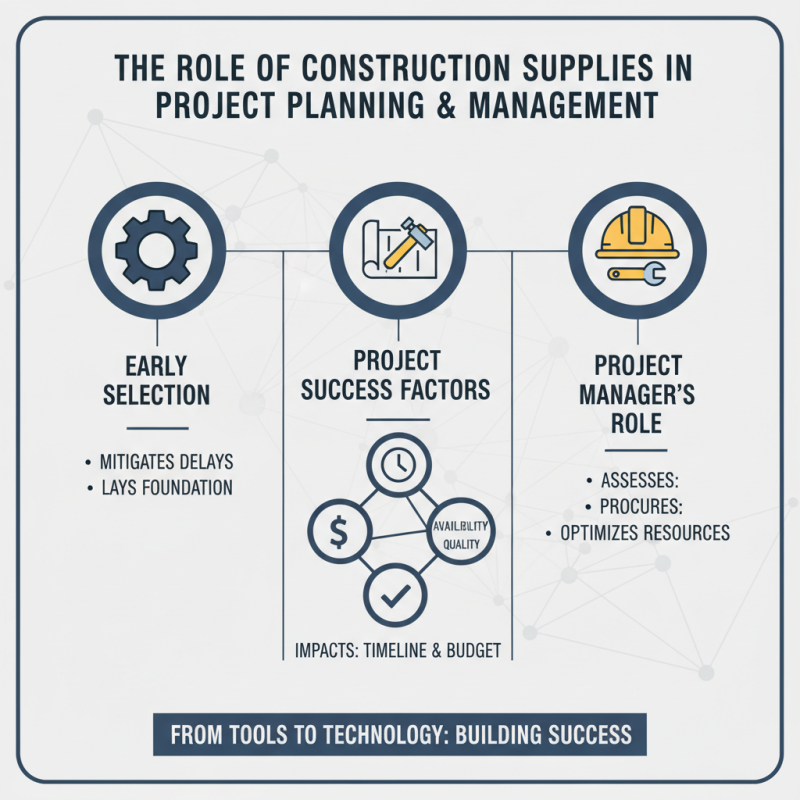
Effective project planning and management hinge on the careful selection of construction supplies. These materials, from basic tools to advanced technology, lay the foundation for successful building endeavors. Choosing the right supplies early in the planning phase can mitigate delays later. A project manager must assess availability, costs, and quality while procuring supplies. These considerations directly impact the project's timeline and budget.
Collaboration among team members is vital when sourcing construction supplies. Architects, engineers, and site managers must communicate their specific needs. This ensures that all parties have the correct materials when required. For instance, using an unsuitable material can lead to structural issues or increased costs. More often than not, project teams encounter unexpected challenges while sourcing items. This requires flexibility and creative problem-solving to ensure project continuity.
Incorporating sustainable construction supplies is another growing trend. Many are exploring eco-friendly materials that reduce environmental impact. However, these options may not always be readily available or feasible. Balancing sustainability with practicality demands critical thinking. Ultimately, thorough planning regarding supply management can enhance project outcomes. It influences the overall quality and safety of construction projects.
Types of Essential Construction Supplies in Building Projects
In the realm of construction projects, essential supplies play a crucial role in achieving successful outcomes. These supplies include materials, tools, and equipment required at every stage of construction. Basic materials such as concrete, steel, and lumber form the backbone of many building tasks. Each material serves a specific purpose, often dictated by the design and functionality of the structure.
Tools are equally important. Hand tools like hammers, saws, and drills are vital for precision work. Heavy machinery, including excavators and cranes, helps with larger tasks. Many projects fail due to inadequate tools, affecting timelines and budgets. Equipment should be well-maintained to avoid costly delays.
However, sourcing materials can pose challenges. Quality varies significantly across suppliers. Sometimes, the cheapest option results in poor performance. Misjudging delivery timelines can halt a project. It is crucial for project managers to assess both quality and reliability to avoid setbacks. With careful planning, the right supplies can enhance efficiency and safety in construction projects.
Impact of Quality Materials on Construction Project Outcomes
Quality materials play a crucial role in construction project outcomes. They directly impact durability, safety, and aesthetics. When builders use reliable materials, structures last longer and withstand various environmental factors. For instance, using high-grade concrete can prevent cracks over time. This attention to detail ensures safety for occupants and reduces long-term maintenance costs.
However, choosing materials is not always straightforward. The cheapest option may initially seem appealing. Yet, it often leads to problems down the line, such as structural failures or expensive repairs. Many projects have suffered due to using subpar supplies. A thoughtful approach is necessary when selecting construction materials. Understanding the specifications, durability, and sustainability of options can greatly affect a project’s success.
Furthermore, ongoing developments in materials science can improve building practices. Eco-friendly options are becoming more available. Incorporating these materials can reduce environmental impact. However, they may not always be familiar to all builders. This need for knowledge highlights the importance of continuous learning in the construction industry. Making informed choices fosters better project outcomes and enhances the reputation of builders and contractors.
Sustainability Considerations in Construction Supplies Procurement
Sustainability in construction supplies is vital for modern building projects. It involves choosing materials that reduce environmental impact. Sustainable materials can range from reclaimed wood to recycled metals. These options help minimize waste and lower energy consumption.
The procurement process needs careful consideration. Builders must evaluate the lifecycle of materials. This includes extraction, production, and disposal. Not all suppliers prioritize sustainability. Therefore, verifying their practices is crucial. Many times, cheaper options may lead to significant long-term costs, both financially and environmentally.
Challenges arise in balancing cost and sustainability. Some eco-friendly materials can be more expensive upfront. However, investing in them often pays off through energy savings. Educating stakeholders about these benefits remains essential. The aim is to incorporate sustainability into every project decision, even when it seems challenging.
Importance of Construction Supplies in Building Projects
This bar chart illustrates the percentage usage of various construction supplies in building projects. Timber and cement are the most utilized materials, reflecting their importance in ensuring structural integrity and sustainability in construction.
Challenges in Sourcing Construction Supplies and Solutions
Sourcing construction supplies poses significant challenges in the industry. A report by McKinsey indicates that supply chain disruptions can increase project costs by up to 20%. These disruptions arise from various factors, including geopolitical tensions, raw material shortages, and transportation delays. For example, steel prices have surged in recent years, affecting budgets nationwide.
Contractors often struggle to find reliable suppliers who can deliver on time and within budget.
One solution to these challenges is to utilize technology for better supply chain management. Data analytics can help predict supply shortages and optimize inventory levels. Additionally, manufacturers are increasingly adopting sustainable practices, making it essential for contractors to stay informed about environmentally friendly materials. A recent study from the Construction Industry Institute emphasizes that adopting sustainable methods can lead to long-term cost savings of around 10-15% on materials. However, not all projects prioritize these sustainable approaches, which can lead to inefficiencies.
Building stronger relationships with suppliers is crucial. Collaboration can reduce lead times and improve communication. Despite these strategies, many projects still face unexpected hurdles. Some contractors find it difficult to adapt to rapid changes in market dynamics. These realities highlight the ongoing need for flexibility and proactive planning in sourcing construction supplies. Awareness of market trends can provide a competitive edge, yet the path to reliable supply chains remains complex and often fraught with risk.