What is Luxury Fabrics and How to Source Them Globally?
Luxury Fabrics represent a distinct realm in the textile industry. These materials often convey elegance, quality, and exclusivity. Sourcing luxury fabrics is not merely about identifying the highest priced materials. It involves understanding the nuances behind their production and craftsmanship. Such fabrics can elevate any creation, yet finding them poses unique challenges.
Navigating the global market for luxury fabrics requires experience and insight. Consider the rich textures of silk or the refined feel of cashmere. Each fabric tells a story of its origin, culture, and production techniques. However, variations in quality can exist, making it essential for buyers to discern the true value within the luxury fabric market.
Despite the allure of these materials, sourcing them can be daunting. Factors like authenticity, sustainability, and supplier reliability must be assessed. Not every luxury label guarantees quality, and consumers often encounter misleading descriptions. Thus, critical evaluation becomes vital. A deep understanding of luxury fabrics aids not just in acquisition, but in creating pieces that resonate with authenticity and sophistication.
Definition and Characteristics of Luxury Fabrics
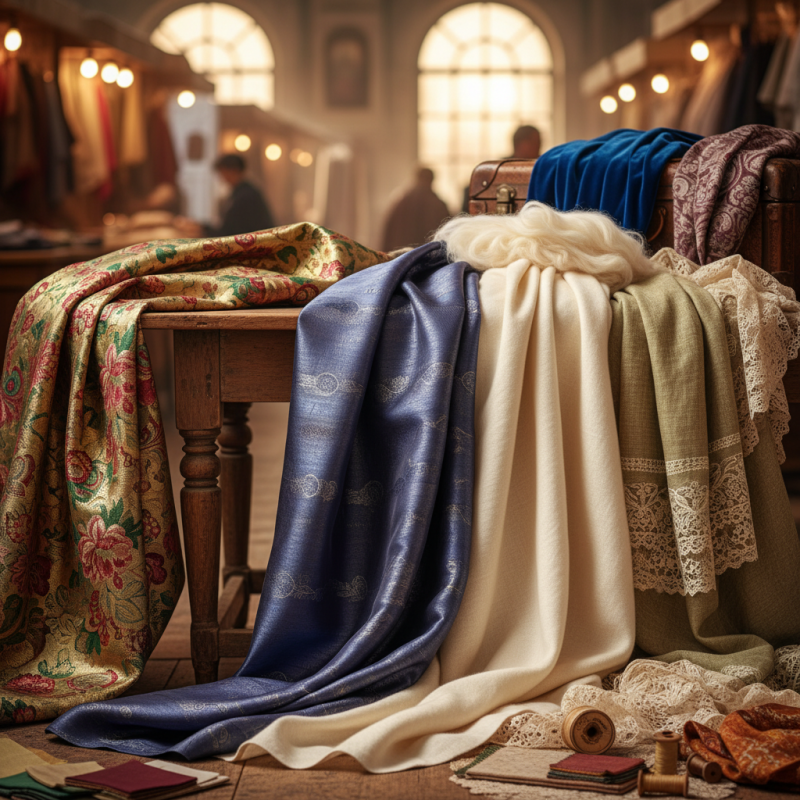
Luxury fabrics are defined by their exceptional quality, exquisite craftsmanship, and a sensory richness that transcends everyday materials. These fabrics often include silk, cashmere, and fine wool, each bringing a unique texture and luster. The characteristics of luxury fabrics go beyond mere aesthetics; they offer superior durability, breathability, and comfort. When you run your fingers over a luxurious fabric, you can feel the difference, the smoothness, and weight that lesser materials lack.
Tips: When sourcing luxury fabrics, consider the environment in which they are produced. Sustainable practices can enhance the quality and appeal of the fabric. Look for certifications that indicate ethical sourcing. Ask about the origin of the fibers, as local craftsmanship often brings added value.
While quality is paramount, sourcing luxury fabrics can be challenging. Not all suppliers guarantee that their products meet high standards. Always request samples to evaluate texture and finish first-hand. Doing thorough research can help ensure you partner with reputable sources. Remember, the price of luxury can sometimes hinder your project; be prepared for fluctuations.
Types of Luxury Fabrics Commonly Used in Fashion
Luxury fabrics are the backbone of high-end fashion. These textiles possess unique qualities that elevate garments. Commonly used luxury fabrics include silk, cashmere, wool, and velvet. Each material has its own characteristics, contributing to the allure of luxury apparel.
Silk is renowned for its smooth texture and vibrant colors. It drapes beautifully and feels soft against the skin. Cashmere, sourced from goats, offers warmth and unmatched softness. This fabric is often used in sweaters and scarves, highlighting its cozy luxury. Wool, mainly from sheep, provides durability and structure. Merino wool stands out for its fine fibers and breathability.
Velvet, with its plush surface, adds depth to designs. Each luxury fabric carries a story, from sourcing to production. However, sourcing these materials is complex. Ethical and sustainable practices in sourcing are critical yet challenging. Not all suppliers meet eco-friendly standards, making it vital to choose wisely. The quest for authenticity can lead to frustration, yet it remains essential for genuine luxury.
Types of Luxury Fabrics Commonly Used in Fashion
Global Sourcing Strategies for Luxury Fabrics
Sourcing luxury fabrics globally requires a mix of research and strategic thinking. Understanding regional specialties can lead to superior quality. For instance, silk from Asia is renowned for its richness. Wool from Italy maintains a reputation for excellence. Each region has its own unique characteristics and advantages. Exploring local markets is crucial. Engaging with artisans directly can unveil hidden gems.
Building relationships with reliable suppliers is essential. Regular visits can strengthen these ties. Communication should be clear, focusing on quality and ethical practices. It’s important to have fallback options. Unexpected disruptions can occur in supply chains, so flexibility is key. Developing alternatives ensures consistent quality for your projects.
Evaluating the sustainability of fabrics is becoming increasingly important. Transparency in sourcing practices fosters trust. Consumers are more informed and demand responsibility. Collaborating with suppliers who prioritize ethical practices builds credibility. However, this can sometimes complicate sourcing, leading to trade-offs. The pursuit of luxury should consider both beauty and responsibility. Striking the right balance is vital for a successful sourcing strategy.
Key Regions and Markets for Sourcing Luxury Fabrics
When sourcing luxury fabrics globally, understanding key regions is crucial. Italy is renowned for its high-quality silk and fine wool. The craftsmanship in regions like Como and Biella reflects longstanding traditions. In France, the production of lace and intricate textiles is noteworthy, particularly in the regions of Lyon and Alsace.
Asia is also significant, with countries like Japan excelling in unique weaving techniques. Japanese fabrics often feature intricate patterns and textures. China has a vast market for silk, with cities like Suzhou leading in production. India's diverse textiles, including cotton and silk blends, showcase vibrant colors and rich patterns that reflect local cultures.
Exploring these regions requires careful consideration. Not all suppliers maintain consistent quality. Establishing trust is vital, and samples should always be requested. Pricing can vary widely, so thorough research is essential to avoid pitfalls. Maintaining relationships with suppliers can ensure you receive the best available products. Each region brings its unique challenges and rewards, making the sourcing journey a complex yet enriching experience.
What is Luxury Fabrics and How to Source Them Globally? - Key Regions and Markets for Sourcing Luxury Fabrics
| Region | Key Markets | Types of Luxury Fabrics | Sourcing Considerations |
| Italy | Milan, Florence | Silk, Cashmere, Wool | Quality craftsmanship, heritage |
| France | Paris, Lyon | Lace, Taffeta, Velvet | Fashion innovation, exclusivity |
| China | Shenzhen, Shanghai | Silk, Brocade, Cotton | Cost-efficiency, scalability |
| India | Surat, Mumbai | Silk, Jute, Chiffon | Sustainable practices, artisan skills |
| United States | New York, Los Angeles | Denim, Leather, Wool | Trend-setting, market demand |
Best Practices for Quality Control in Luxury Fabric Sourcing
Quality control in luxury fabric sourcing is a critical process. It directly impacts product outcomes and brand reputation. According to a market report from the Global Textile Alliance, 75% of luxury brands lose customer trust due to quality issues. This statistic underscores the need for rigorous quality measures.
Establishing quality standards is essential. Sourcing teams should define specific parameters for materials, including fiber content, weave structure, and finishing processes. Local regulations may vary, complicating adherence. A study by the International Textile and Apparel Association found that 60% of sourcing defects arise from inadequate compliance with these standards. Regular audits and inspections can mitigate risks. Expecting suppliers to provide samples and certifications is a common practice. However, trust but verify remains key.
Sustainable practices also play a role. Concern over environmental impact has prompted many companies to adopt eco-friendly sourcing protocols. Yet, only 30% of luxury brands currently implement these measures effectively. Improvement requires a holistic approach, addressing both supply chain transparency and worker conditions. Evaluating these factors thoughtfully can enhance not just fabric quality, but also brand integrity. Quality control is not just about preventing defects; it’s a journey toward excellence and accountability.