How to Repair Home Windows Yourself Easy Steps for Effective Window Fixes
Home repair windows is a crucial aspect of maintaining the integrity and energy efficiency of a home. According to the National Association of Home Builders (NAHB), approximately 30% of a home's heat loss occurs through windows, making their repair vital for energy conservation and cost savings. Properly maintaining and repairing windows can significantly reduce utility bills and increase overall property value. Moreover, a study by the Energy Efficiency and Renewable Energy (EERE) division of the U.S. Department of Energy indicates that households can save an average of $400 annually by addressing window issues promptly and effectively.
In light of these statistics, homeowners can take proactive steps to ensure their windows remain functional and energy-efficient. Many common window problems, such as drafts, broken seals, and damaged frames, can be addressed with DIY repairs. By empowering themselves with the knowledge of easy steps for effective window fixes, homeowners can not only enhance the comfort of their living spaces but also contribute to a more sustainable environment. This guide will provide you with the necessary insights and techniques to repair your home windows efficiently, ensuring you reap the benefits of improved energy performance and aesthetics without the need for costly professional interventions.

Understanding Common Window Issues and When to Repair
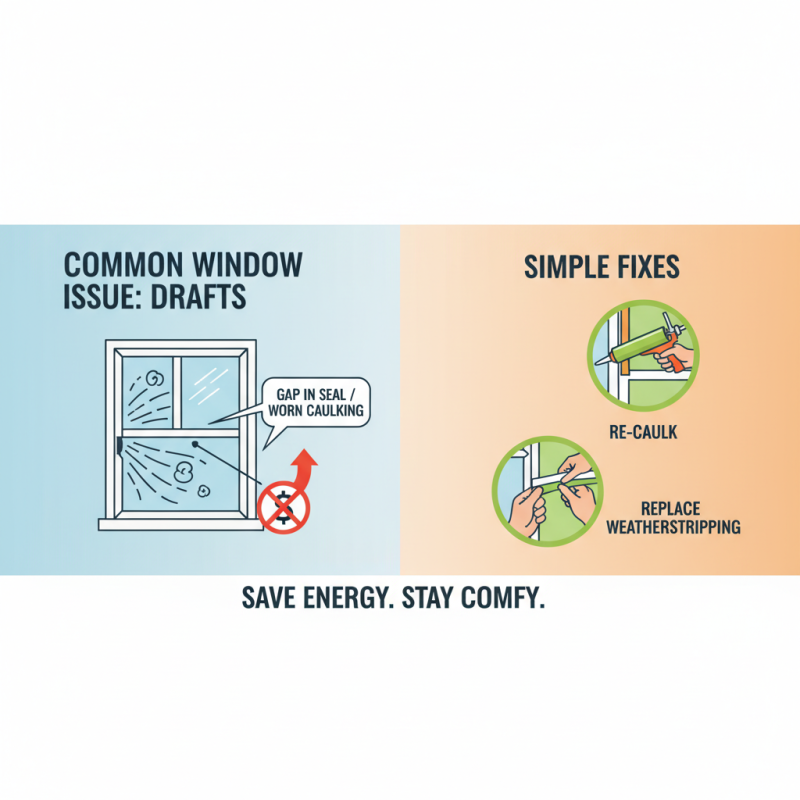
Understanding common window issues is essential for any homeowner looking to maintain their property effectively. One of the most frequent problems is drafts caused by gaps in the window seals. This issue not only affects comfort but can also lead to increased energy bills. Homeowners should inspect their windows regularly, looking for signs of wear on caulking and weather stripping. If any gaps are found, it’s usually a simple fix that involves re-caulking or replacing worn-out materials to restore insulation.
Another common issue is condensation buildup between double-pane windows, which often signifies a failed seal. This can diminish the aesthetic of your windows and may require replacement of the glass unit. Homeowners should assess whether the condensation is persistent; if it is, it’s advisable to consult a professional for replacement rather than trying to fix it themselves, as improper handling can lead to further damage. Understanding these issues and when to repair them helps ensure that your windows remain functional and enhance the overall energy efficiency of your home.
Essential Tools for DIY Window Repair Projects
When embarking on DIY window repair projects, having the right tools is essential for achieving effective results. A robust toolkit can make the difference between a frustrating experience and a smooth, successful repair. Here are some essential tools that every DIY enthusiast should have on hand for window repairs.
Firstly, a quality utility knife is crucial for removing old caulk and weather stripping. This versatile tool can also be used for precise cutting of materials like window screens or replacement glass. Make sure to keep extra blades handy, as a sharp blade makes any cutting task easier and safer. In addition, a caulking gun is essential for applying new caulk, ensuring a weather-tight seal around your windows. Check for a smooth, even flow when using the gun, which will help prevent leaks and enhance insulation.
Furthermore, a set of basic hand tools, including screwdrivers, a hammer, and pliers, will cover a variety of repair needs. It’s important to select tools that fit comfortably in your hand to minimize fatigue during your project. For glass replacement, specialized tools like glass suction cups can aid in handling heavy panes without risk of damage or injury.
A little tip: always wear safety glasses while working on window repairs, especially when dealing with glass. This proactive measure can protect your eyes from any stray shards or debris. By assembling the right tools and following safety precautions, you’ll be well on your way to successfully repairing your home windows.
Step-by-Step Guide to Fixing Common Window Problems
When it comes to addressing common window problems, having a reliable guide can make all the difference. Start by identifying the issue at hand—are your windows drafty, difficult to open, or do they have broken seals? Each problem requires a specific approach to repair effectively. For drafty windows, ensure that weather stripping is properly installed; this simple fix can drastically improve insulation and energy efficiency. If your windows stick, clean the tracks and lubricate the mechanisms to enhance functionality.
For those facing issues with broken glass or seals, acting quickly is crucial. Begin by removing any shattered glass carefully, making sure to wear protective gloves. Replace the glass pane with a suitable replacement, securing it properly to restore the window's integrity. For seal failures, check if you can re-seal the window yourself or if it requires professional attention, as this often involves replacing the entire window unit.
**Tips:** Always keep a toolbox handy with essential tools like a putty knife, screwdriver, and measuring tape for efficient repairs. Additionally, consider regular maintenance checks—cleaning and inspecting your windows every few months can prevent larger issues down the line. Remember, taking the time to address these common problems promptly will ensure your windows remain functional and appealing.
Common Window Repair Issues and Their Frequency
Tips for Maintaining Windows After Repairs
Maintaining windows after repairs is crucial for prolonging their lifespan and ensuring energy efficiency. According to a report by the U.S. Department of Energy, proper window maintenance can improve a home's energy efficiency by up to 30%. Once repairs are made, homeowners should implement regular inspections to identify any potential issues before they escalate. This includes checking seals for air leaks, inspecting the condition of the frames, and ensuring that the hardware operates smoothly. Keeping windows clean also prevents dirt accumulation that can lead to degradation of materials, which is essential for maintaining the structural integrity and appearance of windows.
In addition to regular inspections, applying weatherstripping and caulking is an effective measure to optimize window performance. The National Association of Home Builders indicates that windows that are properly sealed can significantly reduce heating and cooling costs, ultimately leading to a savings of up to 10% annually on energy bills. Homeowners should also consider repainting or refinishing wooden frames every few years to protect against moisture and decay. By incorporating these maintenance tips, you can not only enhance the aesthetic appeal of your home but also ensure that your windows are functional and energy-efficient for years to come.
Safety Precautions to Consider During Window Repair
When embarking on a DIY window repair project, safety should be your foremost concern. Before you begin, ensure you have the appropriate personal protective equipment (PPE) such as gloves and safety goggles. These items will protect you from sharp edges and shards of glass that may occur during the repair process. Additionally, consider using a dust mask to avoid inhaling any dust generated from sanding or scraping old paint around the window frame.
Preparation of the work area is also crucial. Make sure to remove any furniture or obstacles that could impede your movement or pose a risk of injury. Lay down a drop cloth to catch any debris and prevent slipping. If you’re working on a higher floor, use a sturdy ladder, and have someone assist you if possible. It’s important to maintain a clear exit route in case of emergencies, ensuring that you can leave the area swiftly if needed. Taking these precautions will help create a safer environment as you take on the task of repairing your home windows.