Top 10 Tips for Choosing the Best Exterior Doors for Your Home
When it comes to enhancing the overall appeal and functionality of your home, choosing the right exterior doors plays a crucial role. Exterior doors not only serve as entrances that connect your indoor space with the outside world, but they also provide security, energy efficiency, and insulation. With a plethora of options available in terms of materials, styles, and designs, the decision-making process can often feel overwhelming. However, understanding your specific needs and preferences can significantly simplify the selection process.
In this guide, we will explore the top ten tips for selecting the best exterior doors for your home. From considering the architectural style of your residence to evaluating the durability and safety features, these insights will help you make an informed choice that complements your home while enhancing its overall efficiency and security. Whether you are looking for classic wooden doors, modern fiberglass options, or stylish steel choices, keeping the key factors in mind will ensure you find the perfect fit that meets your aesthetic and practical requirements.
Understanding the Importance of Exterior Doors for Your Home
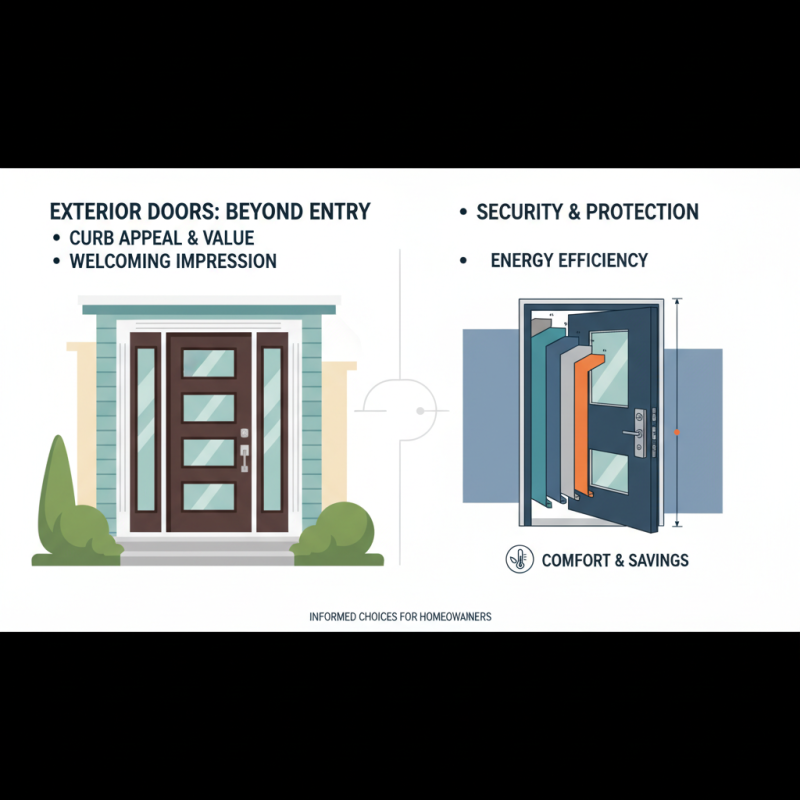
Exterior doors are more than just entry points; they serve vital functions that affect both the aesthetics and security of your home. A well-chosen exterior door enhances curb appeal, adding value to your property while providing a welcoming first impression. Additionally, these doors contribute to your home’s energy efficiency, keeping your indoor climate comfortable and reducing energy costs. Therefore, understanding the significance of exterior doors is essential for any homeowner looking to make informed choices.
When selecting exterior doors, consider the materials used. Wood, fiberglass, and steel each offer distinct advantages in terms of durability, insulation, and maintenance. For instance, fiberglass doors tend to be more energy-efficient and require less upkeep, while solid wood doors exude timeless beauty but may require regular maintenance to prevent weather damage.
Another crucial aspect is security. Choose a door that not only looks good but also features strong locking mechanisms and sturdy construction. Additionally, pay attention to the door’s energy rating, as a good exterior door should help reduce your utility bills by preventing air leaks. By prioritizing these elements, you can ensure that your new doors not only enhance your home's appearance but also provide lasting security and efficiency.
Key Factors to Consider When Selecting Exterior Doors
When selecting exterior doors for your home, several key factors must be considered to ensure you choose the best option for both aesthetics and functionality. One of the primary considerations is the material used in the door's construction. According to a report from the Door & Window Manufacturers Association, fiberglass doors are becoming increasingly popular due to their energy efficiency and durability. In fact, homes with fiberglass doors can experience significant savings on heating and cooling costs, with reports showing up to a 15% reduction in energy bills.
Another critical factor is the door's security features. A study by the National Institute of Justice highlighted that robust locks and reinforced frames can deter break-ins, making the safety of your home a paramount consideration. In addition, it is essential to assess the door's insulation properties. A well-insulated exterior door not only enhances your home's comfort but also provides potential energy savings. According to the U.S. Department of Energy, doors with high insulation ratings can reduce heat loss, contributing to overall residential energy efficiency. These considerations, along with style and design preferences, will greatly influence the longevity and performance of your exterior doors.
Exploring Different Materials for Exterior Doors
When selecting the best exterior doors for your home, one of the most crucial factors to consider is the material. Different materials offer various benefits in terms of durability, insulation, and aesthetic appeal. Common materials for exterior doors include wood, steel, fiberglass, and aluminum, each bringing unique characteristics to your entrance.
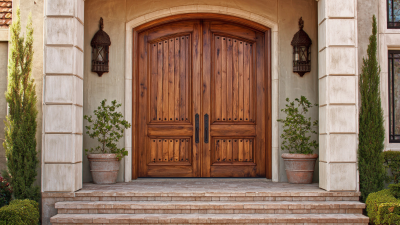
Wooden doors are often chosen for their classic beauty and warmth. They can be easily customized with paint or stain, allowing homeowners to achieve their desired look. However, it's essential to consider that wood requires regular maintenance to protect against moisture and pests. On the other hand, steel doors provide superior security and insulation, making them a great choice for energy efficiency. They are durable and resist warping, but they may be limited in terms of design options.
Fiberglass doors are another popular option due to their resistance to weather elements and low maintenance needs. They can mimic the appearance of wood while offering better performance in terms of insulation and durability. For a sleek, modern aesthetic, aluminum doors provide lightweight construction and a contemporary look. When choosing your exterior door material, consider the climate of your location, your home’s architectural style, and the level of maintenance you’re willing to undertake.
To ensure you select the right door, think about your lifestyle and how often you use the entrance. Look for energy-efficient options if you live in a region with extreme temperatures, as this can significantly affect your energy bills. Additionally, always evaluate the security features of the door material you choose to ensure it enhances your home’s safety.
Top 10 Tips for Choosing the Best Exterior Doors for Your Home - Exploring Different Materials for Exterior Doors
| Tip # |
Material Type |
Durability |
Energy Efficiency |
Maintenance |
Cost |
| 1 |
Wood |
High |
Moderate |
High |
$$$ |
| 2 |
Fiberglass |
Very High |
High |
Low |
$$ |
| 3 |
Steel |
High |
Moderate |
Low |
$ |
| 4 |
Aluminum |
Moderate |
High |
Low |
$$ |
| 5 |
Vinyl |
Moderate |
High |
Low |
$ |
| 6 |
Composite |
High |
High |
Moderate |
$$$ |
| 7 |
Glass |
Low |
Moderate |
High |
$$$$ |
| 8 |
Sliding |
Moderate |
High |
Moderate |
$$$ |
| 9 |
French |
High |
Moderate |
High |
$$$$ |
| 10 |
Bi-Fold |
High |
High |
Moderate |
$$$$ |
Evaluating Security Features for Your Exterior Door Choices
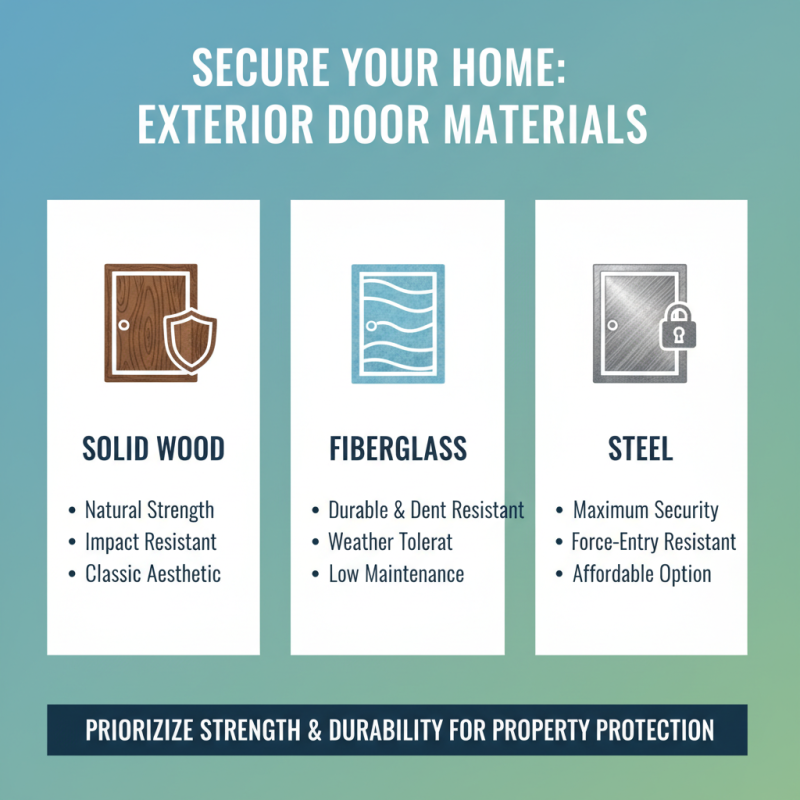
When selecting exterior doors for your home, prioritizing security features is essential to ensure the safety and protection of your property. Start by evaluating the material of the door. Solid wood, fiberglass, and steel are highly recommended for their strength and durability. These materials not only resist forced entry but also withstand harsh weather conditions, providing an additional layer of security.
Another crucial aspect to consider is the locking mechanism. Opt for multi-point locking systems that secure the door at several points, making it significantly harder for intruders to gain access. Reinforced frames and high-quality deadbolts also enhance the overall security of the door. Additionally, look for doors with impact-resistant glass if you prefer a door with windows; this type of glass can deter break-ins while allowing natural light into your home.
When choosing an exterior door, always take into account the overall design and how well it complements your home while maintaining a secure environment. Consider doors with security features such as smart locks or electronic keypads, which provide convenience and a higher level of security compared to traditional locks. As you make your decision, remember that investing in security-enhanced features not only protects your home but also gives you peace of mind.
Aesthetic and Functional Considerations for Entryway Design
When selecting the best exterior doors for your home, both aesthetic and functional considerations play a critical role in the overall entryway design. It’s essential to find a balance between the visual appeal of the door and its effectiveness in providing security, insulation, and durability. According to a report from the National Association of Realtors, exterior upgrades, including door replacements, can recoup about 75% of their cost upon resale, highlighting the importance of making thoughtful choices that enhance curb appeal while also adding value.
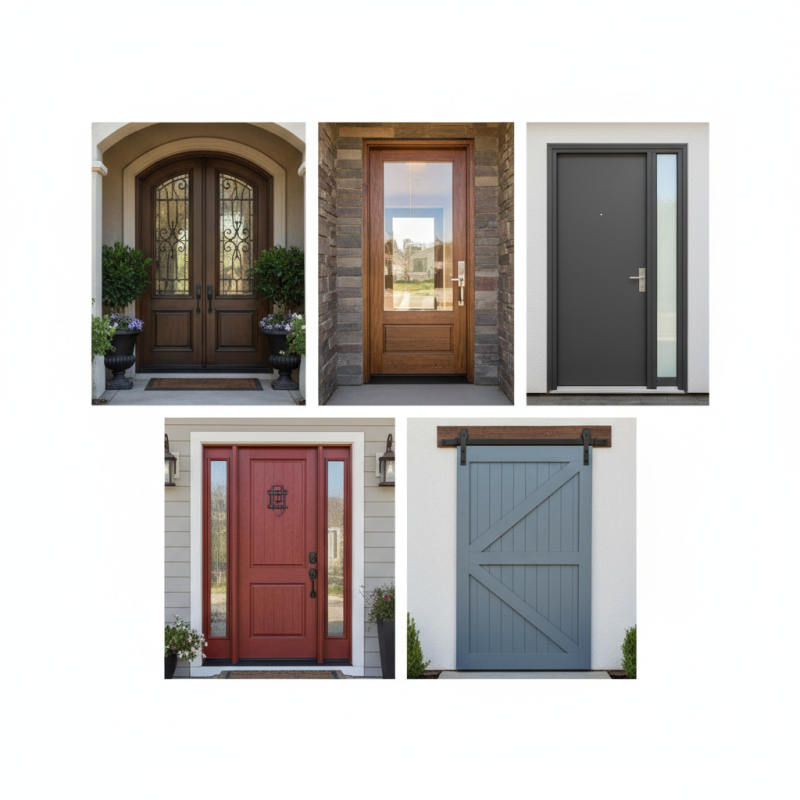
One of the key aesthetic factors to consider is the material of the door, which can range from wood to fiberglass to steel. Each material brings its unique style and characteristics; for example, wooden doors offer warmth and classic elegance, while fiberglass options can mimic wood aesthetics while providing superior resistance to weather and wear. Functionally, it’s crucial to assess the door’s energy efficiency—typically indicated by its R-value, which measures thermal resistance. The U.S. Department of Energy recommends doors with higher R-values for better insulation and lower energy costs. This balance between aesthetic charm and practical functionality ensures that the chosen exterior door not only enhances the beauty of your home but also serves its purpose effectively, enduring the elements while keeping energy bills in check.
Top 10 Tips for Choosing the Best Exterior Doors for Your Home