Top Tips for Choosing the Best Exterior Window Solutions?
Choosing the right exterior window solutions can significantly impact your home's energy efficiency and aesthetics. With so many options available, finding the best fit may become overwhelming. High-quality exterior windows enhance curb appeal and provide better insulation. They also protect against harsh weather conditions.
When selecting exterior windows, consider materials, styles, and functionalities. Each material has its strengths. For instance, vinyl is low maintenance, while wood provides a classic look. Additionally, the choice of style can either complement or clash with your home’s architecture. Understanding these elements is crucial for a successful decision.
It's important to weigh factors like budget and long-term value. Not all high-priced options guarantee quality. Sometimes, affordable choices offer durability and style without breaking the bank. Seek professional advice but always trust your instincts. Your personal touch is essential in making the final decision on exterior window solutions.
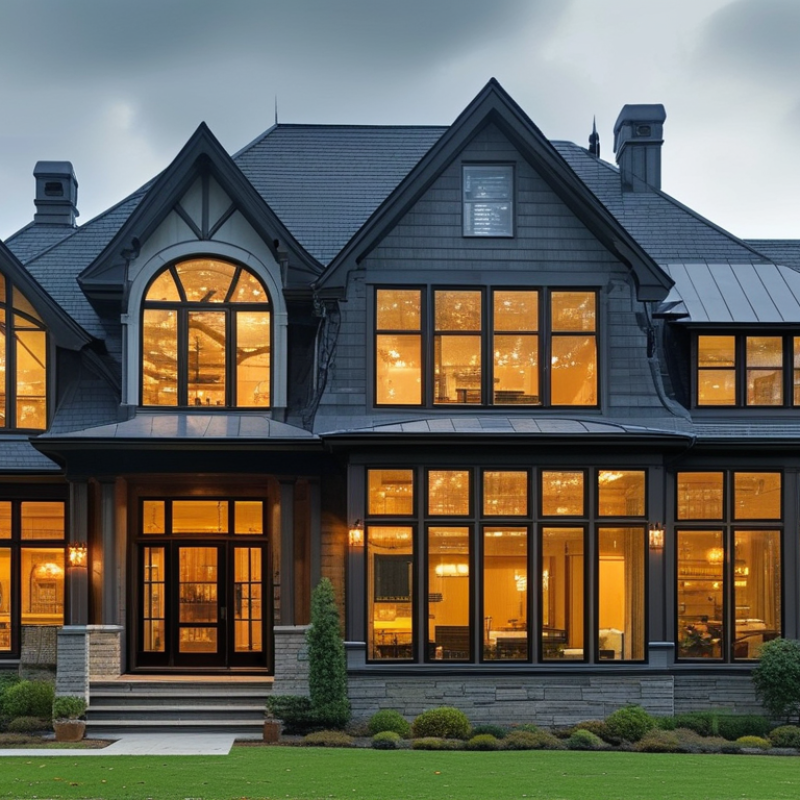
Understanding Different Types of Exterior Window Solutions
When selecting exterior window solutions, understanding the various types available is crucial. From vinyl to aluminum, each material has unique benefits. For instance, vinyl windows offer superior insulation and energy efficiency, often yielding a 30% reduction in energy bills, according to a report by the U.S. Department of Energy. Aluminum windows, while less insulating, are favored for their durability and modern aesthetic, making them a popular choice in urban areas.
Consider the climate where you live. Harsh conditions can affect window longevity and efficiency. Wood windows, though visually appealing, require regular maintenance and may not withstand moisture in humid areas. According to the National Association of Home Builders, nearly 20% of homeowners report issues with exterior window maintenance. Reflecting on your own needs helps you choose wisely.
Installation matters too. Improperly installed windows can lead to air leaks and energy loss. A study by Energy Star indicates that correct installation can improve energy efficiency by up to 15%. Always consult professionals to assess your specific requirements. Missteps in choice or installation can lead to challenges down the road, leaving homeowners frustrated.
Assessing Energy Efficiency Ratings for Windows
When selecting windows for your home, energy efficiency ratings are crucial.
Windows can significantly impact your energy consumption. According to the U.S. Department of Energy,
25% to 30% of home energy use is related to windows. The right windows can reduce that waste.
Look closely at the U-factor, which measures heat loss. It ranges from 0.20 to 1.20.
Lower U-factors indicate better insulation. On the other hand, the Solar Heat Gain Coefficient (SHGC)
indicates how much solar heat is allowed through the window.
A lower SHGC means less heat enters your home during warm months.
This is vital for maintaining comfort and cutting cooling costs.
Consider the Visible Transmittance (VT) rating as well. It measures how much light passes through the window.
Higher VT ratings can enhance natural lighting but may let more heat in.
Balancing these ratings is essential. Some window choices may appear efficient but fail in real-world applications.
It’s vital to research and reflect on how different options may perform in your specific climate.
Evaluating these factors carefully can lead to better energy savings and enhanced living comfort in your home.
Evaluating Material Options for Window Frames
When selecting exterior window frames, material choice is crucial. Wood, vinyl, aluminum, and fiberglass are common options, each with unique attributes. Wood offers aesthetic appeal but demands regular maintenance. It’s prone to rot and can warp under extreme weather. Considering these drawbacks, homeowners must weigh beauty against upkeep.
Vinyl windows are popular due to their energy efficiency and low maintenance. They resist fading, peeling, and cracking. However, they may not offer the same level of insulation compared to other materials. While affordable, vinyl could lack the long-lasting durability some homeowners seek.
Aluminum frames provide strength and a modern look. They are resistant to corrosion, making them suitable for coastal areas. However, without proper insulation, they can be less energy-efficient. Fiberglass is highly durable and energy-efficient but tends to be pricier. Reflecting on your budget and home style will help in determining the most suitable option for your needs.
Top Tips for Choosing the Best Exterior Window Solutions - Evaluating Material Options for Window Frames
| Material |
Durability |
Energy Efficiency |
Cost |
Maintenance |
| Vinyl |
High |
Good |
Moderate |
Low |
| Wood |
Medium |
Excellent |
High |
High |
| Aluminum |
High |
Moderate |
Moderate |
Medium |
| Fiberglass |
High |
Good |
High |
Low |
Considering Aesthetic Design and Architecture Compatibility
Choosing the right exterior window solutions involves careful consideration of aesthetic design and architecture compatibility. Windows are not just functional; they significantly impact the overall look of a building. Research indicates that over 30% of home buyers prioritize style when selecting windows. Thus, ensuring the windows align with the architectural style is crucial.
Consider the color, materials, and shape of windows. Styles such as Victorian, Modern, and Rustic each have unique requirements. For instance, a sleek, contemporary home may benefit from large, minimalistic windows that create an open feel. In contrast, traditional homes often look better with classic designs featuring divided lights and wood finishes. Choosing windows that complement the architectural style enhances curb appeal, which is key in real estate value.
When evaluating options, consider the long-term impact of your choices. Windows with lower energy efficiency may save money upfront but cost more in the long run. According to the Department of Energy, energy-efficient windows can reduce energy bills by up to 15%. Explore materials that fit both the style and sustainability goals. Many homeowners overlook this balance. Investing in the right window can lead to satisfaction for years to come.
Budgeting: Cost Analysis of Window Solutions
When considering exterior window solutions, budgeting is a crucial step. The cost of window solutions varies widely, influenced by materials, styles, and installation requirements. According to the National Association of Home Builders, window replacement can range from $300 to $1,500 per window. This broad range means that homeowners need to analyze not just the cost, but the long-term benefits.
Energy-efficient windows, for example, may have a higher upfront cost, often 10-20% more than standard options. However, these products can lead to significant savings on energy bills over time. Data from the Department of Energy suggests homeowners can save up to $465 a year by installing energy-efficient windows. Understanding these nuances can help homeowners make more informed choices.
Installation costs shouldn't be overlooked. A well-installed window can enhance performance and prolong lifespan. Conversely, poor installation can lead to issues and hidden costs. Homeowners should consider the potential for additional expenses related to repairs or inefficiencies in poorly fitted windows. Balancing initial costs with potential savings requires careful thought and a thorough examination of options.