Remodeling windows can transform a room, but the best results start with careful observation. Notice how morning light falls across the floor, where cold air gathers near the sill, and whether rain leaves marks around the frame. Those details help determine whether you need new glass, a replacement window, or repairs to the surrounding wall. A larger window may brighten a dim kitchen, yet it can also change privacy, ventilation, and the room’s balance.
Building-science expert Joseph Lstiburek is known for emphasizing that walls and windows must work together. A useful principle from his work is: “A window is part of the wall system, not an isolated feature.” This is a paraphrase, not a direct quotation. That distinction matters when comparing advice online. A sound plan considers water control, insulation, air sealing, and the home’s existing construction—not just appearance.
The tips ahead cover practical choices, from measuring openings and selecting materials to checking installation details and setting a realistic budget. Look closely. A slightly uneven frame or hidden moisture can change the scope of a project. And no window fixes every comfort problem. Remodeling windows rewards careful planning, honest assessments, and attention to small details that are easy to overlook.
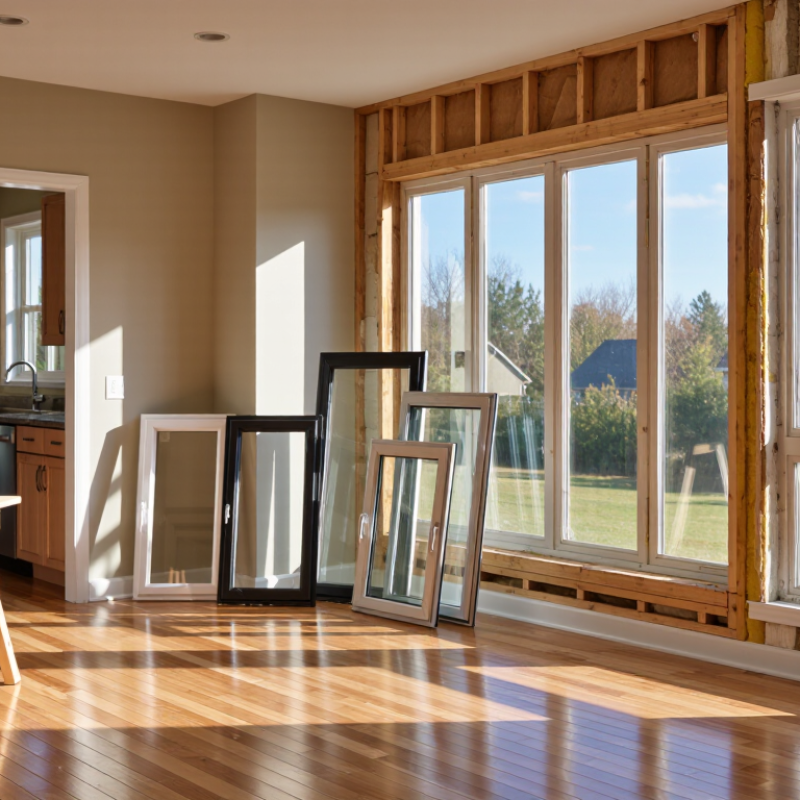
Before choosing new windows, spend time with the ones already in your home. Open and close each sash, checking for sticking, loose locks, or gaps around the frame. On a cool day, feel for drafts near the edges. Look for peeling paint, soft wood, water stains, and fog trapped between glass panes. Take photos and note which rooms have each problem.
A foggy pane may point to a failed seal, while room-side condensation can also reflect high indoor humidity. The difference is not always obvious. If you find soft framing or recurring leaks, ask a qualified window professional to inspect the area before planning cosmetic work. Record window dimensions, but treat them as rough notes until openings are measured carefully.
Then define what you want the remodeling to change. Is the bedroom too noisy? Does a north-facing room feel dim, or does a sunny room overheat by afternoon? Write down practical goals such as easier cleaning, better ventilation, or preserving original trim. Goals can conflict: a larger glass area may bring more light, but also affect privacy or heat gain. I once assumed every sticking sash needed replacement; some only needed adjustment. That was an imperfect guess, and a useful reminder to separate symptoms from causes.
| # | Assessment Area | What to Check | Remodeling Goal | Possible Next Step |
|---|---|---|---|---|
| 1 | Frame condition | Look for soft or rotted wood, corrosion, cracks, and loose joints around the frame. | Improve durability and avoid covering up damage. | Repair minor defects; have extensive rot or structural damage assessed before choosing replacement windows. |
| 2 | Opening and closing | Test each sash or operating panel for sticking, sagging, or difficulty locking. | Make windows easier to operate and secure. | Check hinges, tracks, balances, and alignment; distinguish repairable hardware issues from frame problems. |
| 3 | Air leakage | On a windy day, check for drafts around sash edges, meeting rails, and trim. | Reduce unwanted air movement and improve comfort. | Inspect weatherstripping and caulk; consider a professional energy assessment if leakage is widespread. |
| 4 | Condensation | Note where moisture appears: on the room-side glass, between panes, or on the exterior. | Address the right cause rather than replacing glass unnecessarily. | Room-side condensation can relate to indoor humidity; moisture between panes can indicate a failed sealed glass unit. |
| 5 | Glass and glazing | Look for cracked glass, loose glazing compound, failed seals, or panes that rattle. | Improve safety, weather resistance, and clarity. | Replace damaged glass promptly; ask whether a glass-unit repair is suitable before opting for a full-frame replacement. |
| 6 | Water management | Inspect the sill, exterior trim, and nearby wall for staining, peeling paint, or signs of water entry. | Prevent moisture damage around the opening. | Trace the source of water and check flashing and drainage details before installing new windows. |
| 7 | Comfort by room | Record rooms that feel too hot, too cold, drafty, or exposed to strong sunlight. | Target the rooms and conditions that matter most. | Compare orientation, shading, air leakage, and glass condition; prioritize problem rooms in the project plan. |
| 8 | Noise and privacy | Identify windows facing busy streets, close neighbors, or other sources of unwanted sound or visibility. | Improve privacy and reduce intrusive outdoor noise. | Review window placement, glazing options, treatments, and sealing; results depend on the whole opening and installation. |
| 9 | Measurements and constraints | Record each opening's width and height at several points, plus interior and exterior access limitations. | Plan accurate ordering and avoid installation surprises. | Treat homeowner measurements as preliminary; have final measurements verified before ordering custom units. |
| 10 | Project priorities | Rank safety, moisture control, comfort, appearance, maintenance, and energy performance. | Set a realistic scope, sequence, and budget. | Separate urgent repairs from desired upgrades, then compare repair, sash or glass replacement, and full-window replacement. |
Assessment note: Use this table as a planning checklist. Window performance depends on the product, existing opening, local climate, and quality of installation.