2026 Top Construction Supplies Trends for Global Buyers?
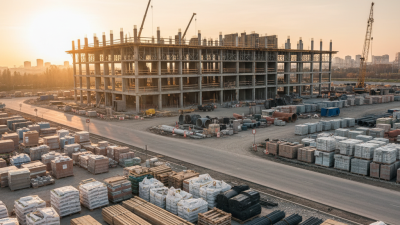
The construction industry is evolving rapidly, driven by technological advancements and changing consumer demands. As global buyers prepare for 2026, understanding emerging trends in construction supplies is vital for making informed decisions. According to a report by Research and Markets, the construction supplies market is projected to grow at a CAGR of 5.4% between 2021 and 2026. This growth presents both opportunities and challenges.
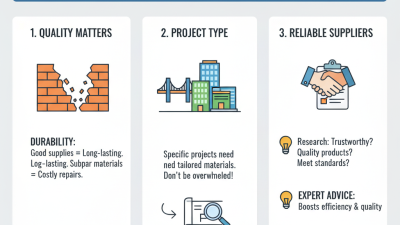
Key trends are emerging in this sector, including sustainable materials and digital tools. Around 45% of construction companies are now investing in green building supplies. This shift not only meets regulatory requirements but also improves project efficiency. However, companies must navigate the complexity of sourcing reliable products. Depending on unverified suppliers can lead to delays and increased costs.
Moreover, innovative technologies such as 3D printing and modular construction are reshaping how products are delivered and used. Yet, the reliance on these technologies can sometimes result in overestimating efficiency gains. Understanding these dynamics is critical for stakeholders aiming to thrive in a competitive marketplace focused on quality construction supplies.

Emerging Sustainable Materials in Construction Supplies for 2026
The construction industry is increasingly leaning toward sustainable materials in 2026. As global buyers seek greener alternatives, innovative materials are emerging. These materials not only reduce environmental impact but also enhance building performance. For instance, recycled plastics are now being used in structural applications. This shift is a response to growing concerns about waste and resource depletion.
Another notable trend involves bio-based materials. Materials like hempcrete and bamboo are gaining traction for their low carbon footprint. They offer excellent insulation and durability. However, the challenge remains in scaling their production. Not all regions have access to these resources yet. Additionally, there is a need for more research on their long-term performance under various conditions.
Companies must adapt to these trends. They need to evaluate supply chains and operational practices. The road to sustainability is not without hurdles. Educating stakeholders about these materials can also be a complex process. As buyers prioritize sustainability, companies that embrace these changes will not only lead but also foster a more responsible industry.
Technological Innovations Shaping the Future of Construction Supplies
Technological innovations are transforming the construction supplies industry. In the next few years, buyers can expect to see advancements that enhance efficiency and reduce waste. One significant change is the implementation of augmented reality (AR) tools. These applications assist workers in visualizing designs before actual construction begins. This reduces errors and improves collaboration among teams.
Moreover, the rise of prefabrication technologies is notable. Components are built off-site and transported for assembly, saving time and resources. However, challenges remain, such as logistical issues and the need for skilled workers. Many companies are experimenting with 3D printing as well. This method has the potential to create custom parts on-demand, yet it raises questions about material sustainability and long-term durability.
As technology evolves, so does the need for education. Workers must adapt to these changes or risk becoming obsolete. Investing in training programs can help bridge the skills gap. Nevertheless, a reliance on technology may lead to overconfidence. Project managers must remain vigilant to ensure human oversight in construction processes. Balancing innovation with traditional craft skills poses a significant challenge for the industry.
Global Demand Trends: Key Markets Influencing Construction Supply Choices
As global construction evolves, so do the market demands shaping supply choices. Key markets like North America and Asia-Pacific lead this trend. According to the Global Construction Outlook report, North America alone is set to reach a construction expenditure of over $1 trillion by 2026. This figure highlights the significant opportunities for suppliers to align their offerings with local preferences.
Asia-Pacific is another dynamic player. Rapid urbanization and a growing middle class are driving the demand for innovative materials. The region's construction industry is projected to grow at a staggering rate of 6.5% annually, fueled by infrastructure projects. However, regional disparities exist. While urban centers flourish, rural areas face stagnation, revealing a need for tailored approaches.
Sustainability remains a critical focus area. A recent survey indicated that 70% of project managers prioritize eco-friendly materials. Yet, the availability of such options can be inconsistent across regions. Stakeholders must navigate these complexities to meet consumer expectations while ensuring compliance with local regulations. Balancing innovation with practicality becomes essential in this evolving landscape.
The Role of Supply Chain Efficiency in Modern Construction Supplies
Efficient supply chains are crucial for the modern construction industry. With growing global demand, the pressure to optimize procurement is significant. Efficient logistics can reduce delays and minimize costs. Implementing advanced technologies helps streamline these processes. Real-time tracking and data analytics allow teams to respond quickly to issues.
However, not every company is adapting swiftly. Some still rely on outdated methods. These inefficiencies can lead to project delays and increased budgets. Training staff on the latest supply chain practices is vital. The industry must be proactive in addressing these gaps. Companies that embrace change can gain a competitive edge.
Sustainability also plays a role in supply chains. Buyers are increasingly seeking environmentally friendly products. This shift requires suppliers to rethink their processes. Waste reduction and resource efficiency should be top priorities. Balancing efficiency with sustainability is challenging yet essential. It’s a dynamic landscape that demands ongoing reflection and adaptation.
Regulatory Changes Impacting Construction Materials and Safety Standards
Regulatory changes are reshaping the construction materials landscape. These shifts often arise from global safety initiatives. They emphasize the need for environmentally friendly materials. This factor drives investments in sustainable building practices.
Compliance with new safety standards is essential. It ensures not only worker safety but also project viability. Many companies struggle to adapt. They may face delays and increased costs during this transition. Regulations can sometimes be vague or open to interpretation. This uncertainty creates challenges for businesses, hindering effective planning.
Innovation in materials is one response to these challenges. The industry is exploring alternatives that meet regulatory demands. However, navigating these changes requires ongoing education and adaptability. Stakeholders must stay informed about these evolving regulations. Collaboration with experts in compliance can enhance understanding. Regular training sessions can help maintain standards. This is a continual journey, not just a checklist.