
Choosing the world’s top window installers is not as simple as comparing glossy brochures. A reliable comparison looks at installation experience, product knowledge, workmanship, customer feedback, and after-sales support. These details matter. A well-made window can still underperform if it is poorly measured, sealed, or fitted.
Canadian contractor Mike Holmes is widely associated with the motto, “Make It Right.” That principle suits window installation: careful preparation and precise fitting are essential, even when the finished frame looks simple. Homeowners should ask who will complete the work, how the opening will be protected, and what happens if a problem appears later. Clear answers are a good sign.
This overview examines window installers across different markets, while recognizing that service quality can vary between local crews within the same company. Rankings also depend on region, window type, and the needs of each property. No worldwide list can capture every detail. That is worth remembering. A company with a strong reputation may not be the best fit for every home, climate, or budget. The most useful comparisons therefore focus on verifiable experience, transparent installation standards, dependable warranties, and customer service—not impressive claims alone. Readers can use these criteria to assess providers and ask better questions before choosing an installer.
A top window installer is defined by more than speed, low prices, or polished advertising. Real expertise appears during the survey, when the installer measures each opening, checks wall conditions, and asks how the room is used. A careful technician notices uneven sills, moisture marks, and drafts near the frame. Small details matter.
Reliable installers explain product options in plain language. They discuss insulation, glass performance, ventilation, maintenance, and expected service life without making unrealistic promises. They also follow current safety requirements and local building standards. Clear written estimates should show labor, materials, preparation, cleanup, and warranty terms. Vague paperwork creates problems later.
Experience becomes visible during installation. The crew protects floors, removes old frames carefully, and keeps dust away from living spaces. They check the opening before fitting the new unit. After installation, they test locks, seals, drainage, and operation. A strong installer also records measurements and photographs hidden work when appropriate. That evidence builds trust.
Still, no installer is perfect. Unexpected structural damage can appear behind an old frame, and even skilled teams may need to revise the schedule. What matters is honest communication, documented changes, and practical solutions. Customer references, verified qualifications, and consistent after-service support reveal more than a dramatic showroom. A top installer earns confidence one window at a time.
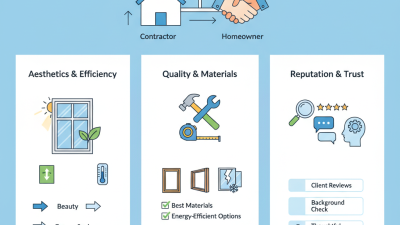
Who Are the Top Window Installers Worldwide? The answer depends on how the industry is organized. Window installation is not usually controlled by a single global network. Instead, it consists of regional contractors, local specialists, construction firms, and manufacturer-approved service teams. Their work may range from fitting a few replacement windows in a home to installing hundreds in a new commercial building. The best choice often depends on project size, local climate, building design, and access to experienced crews.
Large projects may be coordinated by general contractors, who hire specialist window installers for a specific phase. Residential work is more often handled by local companies that measure openings, remove old frames, install new units, and seal them against water and air. In some markets, distributors connect customers with independent installers. Standards and training vary by region, so a familiar name does not automatically mean consistent workmanship. Even careful comparisons can miss important details.
Tips: Ask who will perform the installation, not only who sells the windows. Request a written scope covering measurements, flashing, sealing, cleanup, and follow-up service. Look for relevant project experience and clear documentation. Check how the installer handles uneven openings or unexpected damage; the answer can reveal more than a polished estimate.
Window installation leaders differ by region because climate, building styles, and service expectations differ. In North America, established installers often handle replacement projects in occupied homes, where careful measuring and clean interior protection matter. European firms commonly work with varied building types, from compact city flats to older stone properties. Their teams need to balance thermal performance with existing frames and finishes. In Asia-Pacific, major installers may serve dense urban housing and large new developments. Reliable scheduling and consistent quality across many units can be as important as the window itself. Regional expertise matters.
Across the Middle East, Africa, and Latin America, leading firms may focus on heat control, dust resistance, coastal exposure, or fast-growing housing markets. Conditions vary widely within each region, so broad rankings can mislead. A careful comparison looks at trained crews, documented installation methods, clear warranties, and follow-up service—not just company size. Ask how installers seal joints, manage drainage, and check alignment. Small details show. A slightly uneven frame can affect operation and comfort. Even respected firms can vary between crews, and that deserves scrutiny. Local references and a written scope of work offer more useful evidence than a polished sales claim.
Population provides a broad indication of the scale of potential markets for window installation services; it does not measure installer numbers, market share, or demand directly. Regional figures are approximate 2024 estimates from the UN’s World Population Prospects. Source: United Nations.
Leading window installers are defined less by polished promises than by work they can explain and document. A thorough service begins with measuring each opening, checking the frame, and discussing ventilation, noise, and weather exposure. Details matter. Ask whether installation, trim work, cleanup, and repairs are included, or priced separately. Clear answers prevent awkward surprises.
Certifications vary by country and region, so verify who issued them and whether they remain current. Ask for proof of installer training, insurance, and any required local credentials. Professional standards should cover accurate fitting, secure fastening, weather barriers, drainage, and careful sealing. A small gap near the sill can invite drafts or moisture. Request written installation specifications and a clear warranty process. Even experienced crews can overlook a detail; dated progress photos and a final inspection provide useful checks. A checklist helps, but it cannot replace skilled judgment or a conversation about unusual frames.
There is no single authoritative worldwide ranking of window installers. This regional comparison summarizes common installer services and relevant standards; local licensing, building codes, and project specifications should always be checked.
| Market | Common Installer Services | Relevant Standard or Framework | What It Covers | Credentials and Checks to Request |
|---|---|---|---|---|
| United States | Site measurement, removal of existing units, new-window installation, flashing and weatherproofing, perimeter sealing, and replacement work. | ASTM E2112, Standard Practice for Installation of Exterior Windows, Doors and Skylights | Provides installation practices for exterior windows, doors, and skylights. Applicable building codes and the product manufacturer’s instructions also matter. | Verify any state or local contractor licensing requirements. Ask for evidence of relevant training, insurance, references, and a written scope covering flashing, air sealing, and water management. |
| Canada | Window and door replacement, installation in new construction, air- and water-control detailing, and coordination with the building envelope. | CSA A440.4, Window, Door, and Skylight Installation | Addresses installation practices for windows, doors, and skylights. Provincial and territorial codes and project requirements may add further obligations. | Check applicable provincial or territorial licensing rules. Request proof of insurance, product-specific installation experience, and a documented plan for drainage and weather barriers. |
| United Kingdom | Surveying openings, fitting replacement windows and external doorsets, making good surrounding finishes, and checking operation and weather seals. | BS 8213-4, Windows and doors — Code of practice for the survey and installation of windows and external doorsets | Provides guidance for surveying and installing windows and external doorsets. Building regulations and applicable safety requirements remain separate considerations. | Confirm that the installer meets any applicable competent-person or building-control requirements for the work. Request written specifications, insurance details, and clear handover documentation. |
| European Union | Installation of windows and external pedestrian doorsets, replacement work, sealing, adjustment, and coordination with the façade and building envelope. | EN 14351-1, Windows and doors — Product standard, performance characteristics | This is a product standard, not a universal installer certification or installation code. National building rules and manufacturer instructions guide the installation method. | Check national requirements, the product’s declared performance and required documentation, installer training, insurance, and the proposed fixing and sealing details. |
| Australia | Window and glazed-door installation, replacement, sealing, fixing, and coordination with the building structure and weatherproofing system. | AS 2047, Windows and external glazed doors in buildings | Sets performance requirements for windows and external glazed doors. It should not be treated as a standalone installer certification; the National Construction Code and project details also apply. | Verify applicable state or territory licensing, product suitability for the site, insurance, and experience with local wind and weather conditions. Request installation and maintenance information. |
| International projects | New-build installation, retrofit planning, energy-efficiency upgrades, acoustic or security-focused glazing, and post-installation adjustment. | Local building code, approved product documentation, and manufacturer installation instructions | Requirements vary by country and project. Product performance ratings do not, by themselves, certify an installer or guarantee correct installation. | Ask for a site-specific method statement, references for comparable work, evidence of insurance and required licenses, warranty terms, and a final inspection checklist. |
A capable window installer does more than fit a frame neatly. Look for clear answers about measuring, weatherproofing, and handling unexpected damage. Ask who will complete the work and who supervises the crew. A careful installer should explain how the opening will be protected during removal. Small details matter: a level sill, sealed corners, and hardware that moves smoothly.
Check relevant training, insurance, written references, and a detailed estimate. The estimate should identify materials, labor, cleanup, and any work excluded. Ask how the installer checks the finished windows for drafts, water entry, and operation. If possible, speak with recent customers and inspect a completed project. One polished photo proves little. Even a thorough checklist can miss something, so notice whether answers stay consistent and specific. A low price alone is not evidence of poor work, but unclear terms deserve questions.
Tips: Compare at least three written estimates. Ask for a project timeline and warranty details. Keep the answers in writing. Visit the site before signing, if practical. Look closely at the trim and sealant. Does the explanation feel rushed? That matters.