
Menu

Why Choose Compound Steel Grating?

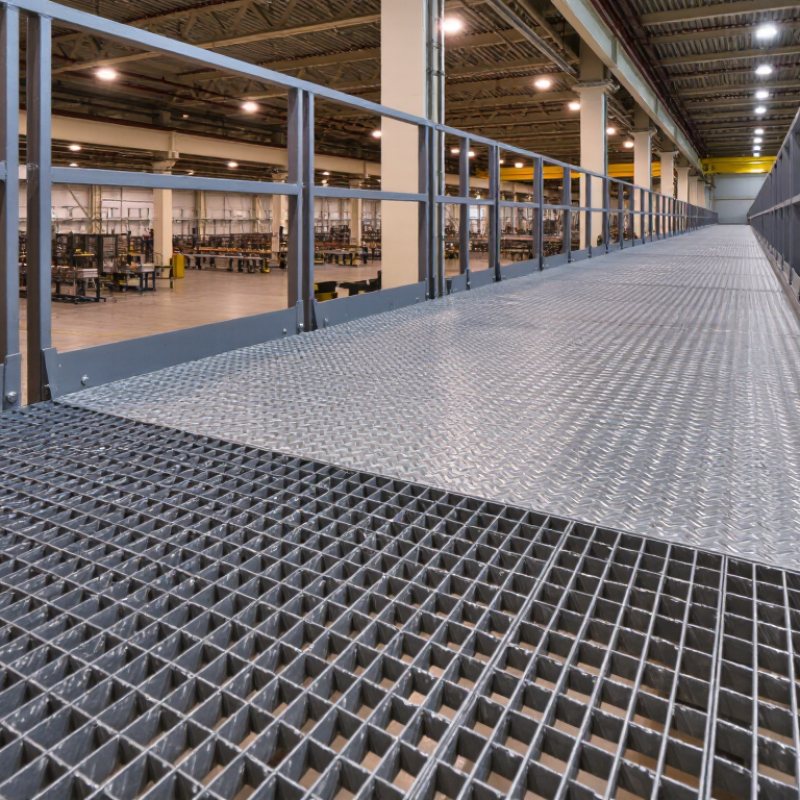
Compound Steel Grating combines a load-bearing steel grating panel with a solid or patterned plate attached to its surface. The open bars support airflow and drainage, while the plate creates a more continuous walking or working surface. This practical combination can suit platforms, stair landings, walkways, and equipment areas where both strength and surface coverage matter.

Picture a maintenance platform above a factory floor. Water can pass through the grating openings, while tools and small components are less likely to drop through the covered sections. The plate may also make movement easier for workers carrying equipment. Small details matter. Plate thickness, bar spacing, panel size, and connection methods all affect how the product performs. A qualified designer should check expected loads, support spans, and site conditions before specifying it.

The benefits are not automatic. A solid plate can retain dirt or water, and coatings may need attention in corrosive environments. Added material can also increase panel weight and installation demands. These trade-offs are easy to overlook. Compound Steel Grating is most useful when its open and covered areas match the actual task, rather than being chosen by name alone. The sections ahead explore its construction, advantages, limitations, and selection factors, helping readers assess whether it fits a particular project. A careful specification makes the difference between a sturdy surface and an avoidable maintenance problem.
Why Choose Compound Steel Grating?

What Is Compound Steel Grating?

Compound steel grating is a composite floor or walkway panel. It typically joins load-bearing steel bar grating with a solid steel plate, often a raised-pattern plate. The bars carry structural loads; the plate creates a more continuous walking surface and can help limit dropped tools or debris. Details vary by manufacturer and project, so “compound” does not describe one universal construction.

The distinction is visible underfoot. Open grating leaves gaps between bearing bars, while the attached plate covers much of the surface. That can be useful on platforms where small objects or frequent foot traffic are concerns. But the plate also adds weight and may affect drainage, ventilation, and handling. Not always an upgrade. Engineers should check panel span, support spacing, loads, connections, and surface conditions against the project requirements. NAAMM’s Metal Bar Grating Manual, MBG 531, provides industry guidance for bar-grating design and specification.

The broader material context is substantial: World Steel Association reported 1,892.0 million tonnes of crude steel production worldwide in 2023, in its World Steel in Figures 2024 publication. That figure describes the steel industry, not compound grating specifically. It is useful context, but it cannot establish a panel’s capacity. I would not choose a panel from appearance alone; confirm its documented load data and intended use. A neat surface can still hide a poor support detail.

How Is Compound Steel Grating Constructed?

Why Choose Compound Steel Grating?

How Is Compound Steel Grating Constructed?

Compound steel grating combines an open steel bar grating panel with a solid steel plate, usually welded to its top surface. The grating has load-bearing bars running in one direction, joined by cross bars that hold spacing and resist movement. The plate is cut to size, positioned over the panel, then attached with welds suited to the specified loads and environment. It creates a firm surface for carts, boots, and small components. Details matter.

The World Steel Association’s World Steel in Figures 2024 reports 1,888.2 million tonnes of crude steel production in 2023. That figure describes the industry’s scale, not a grating’s capacity. For design, NAAMM’s Metal Bar Grating Manual (MBG 531) provides load tables and guidance on bar-grating selection. A compound panel’s capacity still depends on bar dimensions, span, plate thickness, weld layout, and support conditions. The solid plate adds weight, so it should not be assumed to increase capacity without calculation. I’ve seen this detail overlooked; it is easy to regret later.

Tips: Specify the clear span, expected loads, and finish before fabrication. Ask for weld and load details, and check drainage around plate edges. A small gap can hold water.

Which Features Set It Apart from Standard Grating?

Why Choose Compound Steel Grating?
Which Features Set It Apart from Standard Grating?

Compound steel grating combines an open steel-bar panel with a solid plate, often a raised-pattern cover. Standard grating leaves spaces between bars; compound construction creates a more continuous walking surface. That can help keep small tools from falling through and provide firmer footing for carts. The trade-off is added weight, and the plate can hold water or debris if drainage is poor. Details matter.

The U.S. Bureau of Labor Statistics recorded 885 fatal work-related falls, slips, and trips in 2023. This figure underscores why floor design deserves attention, but it does not prove that any grating type prevents accidents. Specify the panel for its actual span, load, support spacing, and environment. Check the manufacturer’s load tables and applicable NAAMM guidance; do not assume a thicker plate alone makes a safer floor. Compound panels may also need extra care around edges and welds, where moisture can collect.

Tips: Ask for documented load ratings and coating details. Picture a wet boot, a rolling cart, and a dropped bolt on the surface. Does the chosen panel suit all three? If drainage or cleaning access is uncertain, pause and review the design.

Why Choose Compound Steel Grating? — Which Features Set It Apart from Standard Grating?
Feature Compound Steel Grating Standard Steel Grating Practical Consideration
Basic construction A steel grating panel combined with a steel plate, typically welded or otherwise mechanically secured. An open grid made from load-bearing bars and connecting cross bars. Plate thickness, attachment method, grating design, and support spacing vary by project.
Walking surface Provides a more continuous surface; the plate may be plain or patterned. Has open spaces between bars, so the walking surface is not continuous. A patterned plate may improve grip in some conditions, but surface texture alone does not guarantee slip resistance.
Drainage and airflow The plate reduces open area, so drainage and airflow through the panel are generally lower than with open grating. Open spaces allow water, air, and light to pass through. Choose based on drainage, ventilation, and the likelihood of liquid or debris collecting on the surface.
Small-object containment The plate can help prevent small tools or components from falling through the grating openings. Objects smaller than the openings may pass through. Check applicable site safety requirements; a plate does not automatically replace guardrails or toe boards.
Load capacity and stiffness Capacity depends on the combined panel design, plate attachment, support conditions, and applied loads. Capacity depends on bar dimensions, spacing, span, material, and support conditions. Neither type is inherently stronger in every application. Use project-specific structural calculations and load ratings.
Weight and handling The added plate generally increases panel weight compared with an otherwise similar open grating panel. Usually has less material than a comparable grating panel with an added plate. Confirm panel weight, lifting arrangements, and supporting-structure capacity before installation.
Corrosion protection May be supplied with a suitable protective coating or galvanizing; joints and contact areas need appropriate protection. May also be coated or galvanized, depending on the specification. Select protection for the exposure conditions and inspect for coating damage, trapped moisture, and corrosion.
Typical application fit Can suit walkways, platforms, or covers where a more continuous surface or reduced object drop-through is desired. Can suit platforms, walkways, and drainage areas where open-area drainage and ventilation are priorities. The best choice depends on operating conditions, safety needs, maintenance access, and engineering requirements.

Where Is Compound Steel Grating Commonly Used?

Why Choose Compound Steel Grating?

Where Is Compound Steel Grating Commonly Used?

Compound steel grating is often used on industrial walkways, service platforms, stair landings, and mezzanines. It pairs an open steel grating panel with a solid plate, offering a firm surface while retaining the grating’s supporting structure. In a plant, that may mean safer footing near pumps or easier movement across a raised maintenance deck. Details matter.

It is also common for trench covers, equipment platforms, and areas where small tools or debris could fall through open grating. The plate can help limit openings, but it may also collect water or dust if drainage and cleaning are overlooked. Compound grating is not automatically the right choice for every site. Engineers should check load requirements, support spacing, surface conditions, and the environment before specifying it. A careful site measurement can prevent costly fit-up problems.

Tips: Match the panel design to the expected loads and support span. Consider slip resistance and drainage, especially outdoors. If the area gets frequent washdowns, check how water will escape. A small detail, but an easy one to miss.

What Factors Guide Its Selection?

Why Choose Compound Steel Grating?
What Factors Guide Its Selection?

Choosing compound steel grating starts with the job it must perform. Record the expected load, support spacing, and whether carts or foot traffic will cross the panel. A narrow service walkway may need a different bearing-bar depth than a loading platform. Measure the clear span on site; drawings can miss a beam offset by several centimeters. Small details matter. Then assess the surrounding conditions.

For wet or oily areas, consider open area, drainage, and surface traction together. A serrated top can improve grip, but it may catch debris and complicate cleaning. The panel’s solid plate can shield objects below, while adding weight and changing drainage. Check plate thickness, grating type, edge banding, and fastening method against the maintenance plan. Specify corrosion protection for the actual exposure, such as washdown moisture or coastal air, rather than relying on a generic coating label. Ask for load tables and fabrication drawings, then confirm cutouts and supports before production. Price matters, but a cheaper panel can be awkward to lift or inspect. Site conditions sometimes change after measurement, so allow practical access for replacement.

Why Choose Compound Steel Grating? What Factors Guide Its Selection?

Steel grade is one factor to consider when selecting compound grating. This chart compares specified minimum yield strengths for two commonly used structural steel grades.

Selection note: Higher yield strength does not by itself determine grating capacity. Also assess load and span, bearing-bar dimensions, open area, cover-plate thickness, corrosion exposure, and applicable product specifications. Values shown are representative specified minimums; verify requirements for the selected product form and thickness. Source: ASTM A36/A36M and ASTM A572/A572M.