What is the Best Door Solutions for Your Business Needs?
Choosing the right door solutions for your business can significantly impact security and accessibility. Different industries have varying needs, influencing the type of doors that suit them best. From retail shops requiring aesthetic appeal to warehouses needing durability, the options are vast.
Every business is unique. You must assess your specific requirements carefully. Some may overlook the importance of door solutions, thinking all doors are the same. However, this can lead to costly mistakes down the road. For instance, a stylish glass door might draw customers, but it may not provide adequate safety.
Expert guidance can help navigate your choices. Reliable door solutions come from understanding materials, designs, and functionality. Considerations should include climate impact, foot traffic, and maintenance. Choose wisely, and your doors can enhance both efficiency and appearance. Each decision shapes your business environment. Reflect on your needs to find the ideal match.
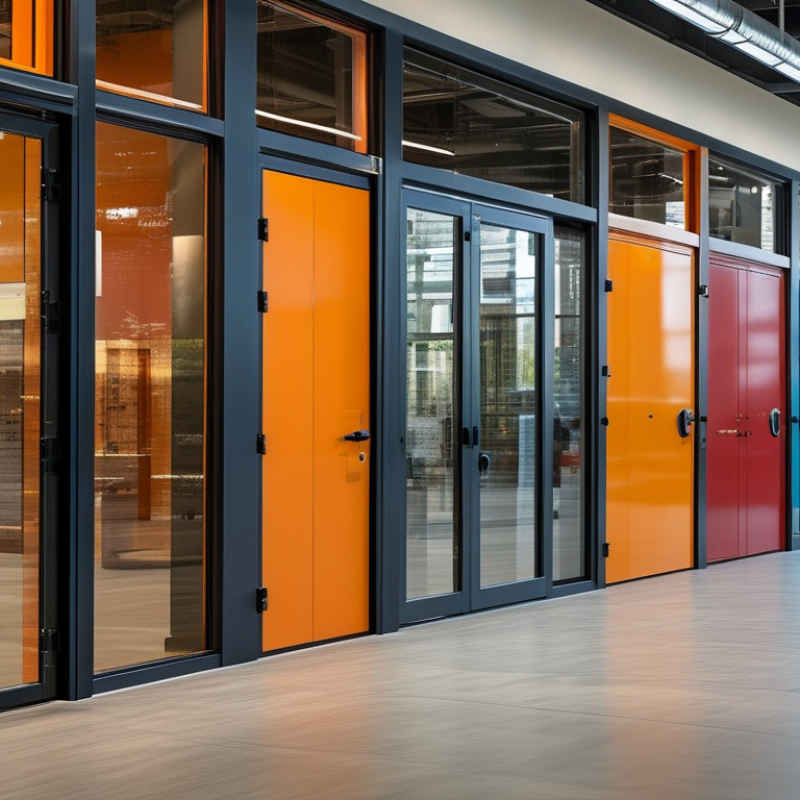
Understanding Different Types of Door Solutions for Businesses
When examining door solutions for businesses, it's essential to understand the various types available. Each option serves unique needs. For instance, swinging doors are common in high-traffic areas. They provide easy access and are often cheaper. However, they can take up valuable space and may not suit every layout.
Sliding doors offer a modern look and save space. They are ideal for offices and retail environments. These doors enhance visibility and can create a welcoming atmosphere. However, they may require more maintenance and careful installation. An overlooked aspect is the security feature, which varies between door types.
Then there are specialized options like fire-rated doors. They are crucial for building safety and must meet strict regulations. Their installation is often more complex. Businesses may need to invest in training to comply with safety standards. The choices are vast, and selecting the right door can impact functionality and aesthetics.
Factors to Consider When Choosing Door Solutions for Your Business
Choosing the right door solutions for your business is crucial. It affects security, aesthetics, and functionality. Start by evaluating the specific needs of your space. Consider foot traffic patterns and the level of security required. For example, a high-traffic area may benefit from doors that offer durability and ease of access.
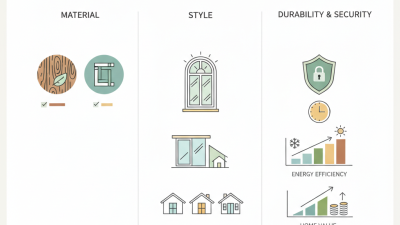
Next, think about materials and insulation. Steel and fiberglass doors provide strength, while wood adds warmth. Insulated doors can save on energy costs, especially in climates with extreme temperatures. Additionally, assess your branding. A well-chosen door can enhance your business's image.
Don’t overlook building codes and regulations. Compliance is essential but can be tricky. Failure to adhere might lead to costly adjustments later. Always consult with professionals to ensure a proper fit. Reflect on your choices — the perfect door solution requires balancing aesthetics with practicality.
Assessing Security Features in Commercial Door Options
When choosing commercial doors, security features are a primary concern. Strong doors deter unauthorized access and protect assets. Look for materials that withstand forced entry, such as steel or reinforced fiberglass. A sturdy frame and reliable locking mechanism are essential for maximizing security. Consider doors that include multi-point locking systems, which provide better protection than traditional locks.
It's also crucial to assess other elements. Bullet-resistant glass or security screens can enhance overall safety. However, remember that security should not compromise accessibility. While you want to create a secure environment, it must also be user-friendly. The balance here is challenging. Many businesses overlook this aspect, resulting in inconvenience for staff and customers.
Additionally, think about the door's location. High-traffic areas may require different solutions compared to remote entrances. Regular security assessments can ensure the measures remain effective. Reflect on past incidents and adjust your door solutions as necessary. Continuous improvement in security design can help businesses adapt to evolving threats.
Assessment of Security Features in Commercial Door Options
Evaluating Energy Efficiency in Door Solutions
When selecting doors for your business, energy efficiency is a key consideration. According to the U.S. Department of Energy, doors can account for up to 10% of energy loss in a commercial building. An insulated door can significantly reduce heating and cooling costs. In fact, proper insulation can save businesses as much as 20% on energy bills annually.
It's important to evaluate the materials used in door solutions. Steel and fiberglass doors offer greater durability and insulation compared to traditional wooden options. A study by the National Renewable Energy Laboratory found that high-performance doors can improve overall energy efficiency by 30% or more, contributing to lower operational costs.
Consider also the door's design and placement. A door facing the sun may absorb more heat, increasing HVAC demands. Reflective surfaces can mitigate this issue but are often overlooked. Regular maintenance plays a crucial role, too. Even small gaps can lead to significant energy loss over time. Reflecting on all these factors can help businesses make informed decisions that benefit both the environment and their bottom line.
The Importance of Aesthetic Appeal in Business Door Choices
When choosing doors for your business, aesthetic appeal matters. The first impression counts. A visually appealing door can attract customers and create a welcoming environment. Colors, materials, and styles play a significant role in this perception. A minimalist glass door may exude modernity, while a wooden door can convey warmth.
Tips: Consider the overall theme of your business when selecting a door. Aligning the door’s design with your brand identity enhances message consistency. Choosing the right materials also matters. Solid wood offers durability but may feel heavy. Aluminum is lightweight and modern but may lack character.
Don’t overlook functionality for aesthetics. A beautiful door must also be practical. It should provide security and ease of access. Too often, businesses focus solely on looks and forget about the everyday use of their doors. Reflect on how much traffic your door will handle. It could help guide your decision. Choosing a door isn't just about beauty; it's about the balance between form and function.