Menu

What Are Door Contractors and What Services Do They Offer

Doors do more than open and close. They shape a home’s security, comfort, accessibility, and first impression. Yet a door that sticks against its frame, leaks cold air, or rattles in the wind can point to deeper problems. That is where door contractors come in. These specialists assess, install, repair, and replace residential or commercial doors, along with related hardware and frames. Their work may involve entry doors, patio doors, interior doors, fire-rated assemblies, or garage doors, depending on their training and service area.

The financial stakes can be meaningful. Remodeling magazine’s 2024 Cost vs. Value report estimated a 194% cost recoup for a garage-door replacement in its national project comparison. That figure is an estimate, not a promise of resale value. The U.S. Department of Energy also notes that sealing air leaks around doors can improve a home’s energy efficiency. Small details matter: a threshold that sits unevenly, a compressed weather seal, or hinges pulling loose from a jamb may affect performance as much as the door itself. Still, no report can inspect your doorway for you.

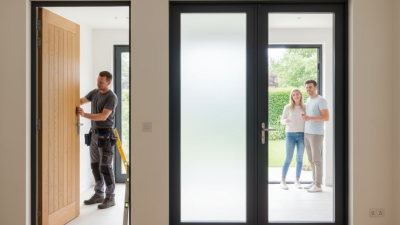
A qualified contractor should explain the condition, outline suitable options, and provide a clear written estimate. Ask about materials, measurements, hardware, installation steps, and cleanup. For specialized doors, confirm relevant qualifications and product requirements. Good work is often quiet. The latch meets cleanly, the door swings without scraping, and daylight does not show around the edges. Not every problem needs a full replacement; sometimes, a careful repair is the better choice.
What Are Door Contractors and What Services Do They Offer

Who Door Contractors Are and What They Do

Door contractors are specialists who install, repair, and maintain residential and commercial doors. Their work can cover entry, interior, sliding patio, and garage doors. A visit often starts with measuring the opening and checking the frame, hinges, tracks, and threshold. A door that sticks may have a swollen edge, a loose hinge, or a frame that has shifted. The cause is not always obvious.

Contractors may replace locks and closers, adjust garage-door balance, fit weatherstripping, or repair damaged frames. They also help customers compare repair costs with replacement options. In the Remodeling 2024 Cost vs. Value Report, a garage-door replacement had an estimated 194% cost recoup nationally. That figure is a project estimate, not a guaranteed resale return. A careful contractor should explain the measurements, materials, and likely trade-offs before work begins. Ask how the installer will protect nearby flooring and test the finished door. Small details matter. A door may look aligned but still scrape the jamb or leave a draft. I would not assume every old door needs replacing; sometimes an adjustment is enough.

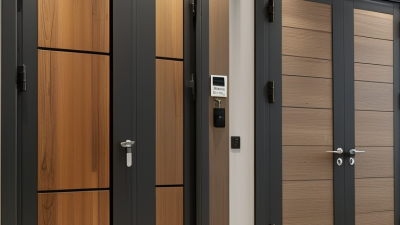
Types of Doors They Install and Service

Door contractors work with more than front entries. They install and service interior doors, patio sliders, garage doors, and commercial access doors. Details matter. A solid wood entry door can improve privacy, while a steel or fiberglass unit may suit exposed, weather-prone openings. For patios, contractors adjust sliding panels, replace worn rollers, and check tracks for grit or uneven wear. They may also fit screens and weather seals.

Interior work includes hinged, pocket, bifold, and closet doors. A sticking door is not always a bad door; humidity, loose hinges, or a shifted frame can cause the problem. Contractors inspect the opening before recommending replacement. Fit comes first. For commercial buildings, they may handle hollow-metal doors, glass entry systems, and fire-rated assemblies, following the door’s listed installation requirements and keeping hardware compatible.

Service can involve easing a door that rubs, aligning latches, replacing damaged hinges, or repairing garage-door springs and tracks. Garage systems are heavy, so spring work needs trained handling rather than guesswork. Contractors should explain which parts need attention and whether adjustment is likely to last. One detail is easy to miss: the best door depends on traffic, weather, sound control, and the condition of the frame, not appearance alone. An on-site measurement can reveal surprises that photos hide.

Installation, Repair, Replacement, and Maintenance Services

Door contractors install, repair, replace, and maintain residential and commercial doors. For a new installation, they measure the opening, check available headroom, and select suitable tracks, hardware, and weather seals. A door that looks square may still bind if the frame is uneven. Small details matter.

Repairs often address worn rollers, damaged cables, misaligned tracks, faulty openers, or doors that no longer close evenly. Contractors can inspect these parts and test the door’s balance and safety features. Tensioned springs can cause serious injuries, so spring work is best left to trained technicians. A quick adjustment may help, but it can also hide a failing part.

Replacement may make sense when a door is badly damaged, repeatedly unreliable, or poorly insulated. The 2024 Cost vs. Value report estimated a 194% cost recoup for garage door replacement in its U.S. national averages; that figure is not a guaranteed resale return. Regular maintenance can include tightening hardware, checking seals, clearing track debris, and testing the opener’s reversal function. Ask what was inspected and what needs attention next. A written service record makes future decisions easier.

Door Contractor Services: Typical On-Site Time

Estimated hours per visit or project. Actual time varies with door type, condition, access, and the work required.

Maintenance is often a shorter scheduled visit, while installation and replacement can take longer because they may involve fitting, adjustments, and testing. These ranges are practical planning estimates, not guaranteed service times.

How Door Contractors Plan and Complete a Project

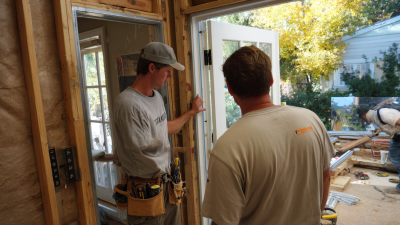
A door project starts with a site visit, not a catalog. The contractor checks the opening’s width, height, depth, and squareness. They note the door’s swing, threshold condition, trim, and nearby flooring. Small details matter. A frame that is out of plumb can leave uneven gaps, even when the new door is correctly sized. The plan should specify materials, hardware, weather seals, disposal, and any needed repairs before work begins.

The 2024 Cost vs. Value report by Zonda and Remodeling magazine estimated national resale-value recovery of 193.9% for garage door replacement and 188.1% for steel entry door replacement. These are modeled averages, not promises for a specific home. A contractor should still discuss the project’s purpose: security, smoother operation, reduced drafts, or appearance. One detail can be overlooked. Existing framing may hide moisture or decay, changing the final scope.

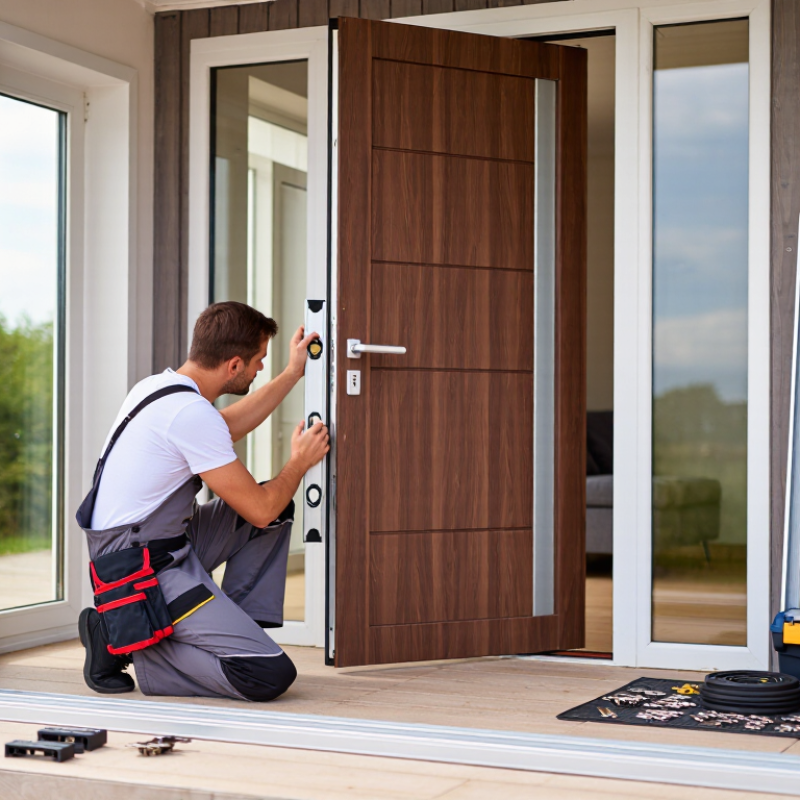
On installation day, crews protect nearby floors, remove the old unit, and inspect the exposed framing. They set the new frame plumb and square, using shims before fastening it. Then they check the reveal, latch, and threshold, and adjust hinges if the door rubs. Weather sealing and exterior flashing help limit drafts and water entry. The handoff should include an operating test and clear notes on maintenance or unresolved conditions. Small adjustments take time. Rushing them can leave a door that sticks after seasonal movement.

What Are Door Contractors and What Services Do They Offer - How Door Contractors Plan and Complete a Project

Project Stage What the Door Contractor Does Typical Services and Checks Client Deliverable Typical Timing
1. Initial consultation Discusses the property, intended use, preferred door type, budget, and any access or security requirements. Reviews the project scope, identifies visible constraints, and explains options such as interior, exterior, entry, or fire-rated doors. A preliminary scope of work and information about the next steps. Usually 1–3 business days to arrange and complete, depending on availability.
2. Site inspection and measurements Inspects the opening and surrounding structure before recommending a suitable door and installation approach. Measures width, height, and jamb depth; checks plumb, level, clearances, swing direction, threshold, and signs of damage or moisture. Recorded measurements and notes on site conditions or required preparation. Often completed in one visit; larger or multi-opening projects may take longer.
3. Specification and estimate Prepares a proposal based on the site findings and agreed project requirements. Details door type, material, hardware, finish, removal and disposal, labor, any expected repairs, and items excluded from the work. A written estimate or quote with a defined scope, assumptions, and payment terms. Commonly 1–5 business days after the inspection, depending on project complexity.
4. Ordering and scheduling Confirms selections, coordinates delivery, and schedules the installation with the client. Checks that the ordered door and hardware match the approved measurements and specification; confirms site access and work-area preparation. A confirmed order and an agreed installation date or schedule window. Lead time varies by door type, customization, supplier availability, and delivery location.
5. Site preparation and removal Protects the work area and removes the existing door or prepares a new opening when included in the agreed scope. Uses suitable protective coverings; inspects the frame and rough opening; identifies concealed damage that may require approval before extra work. A prepared opening and notice of any unexpected conditions affecting the work. Often a few hours for a straightforward replacement; structural repairs can add time.
6. Door and hardware installation Fits the door, frame, and specified hardware, making adjustments for a secure and functional fit. Checks alignment, reveals, hinge operation, latching, clearances, fastening, and weather seals where applicable. An installed door that operates as intended under the agreed specification. A single standard replacement may take several hours; new openings or multiple doors require more time.
7. Testing and finishing Tests operation, completes included trim or sealant work, and addresses installation adjustments. Opens and closes the door repeatedly; checks the latch and lock operation, threshold contact, and visible gaps; reviews any fire-door or accessibility requirements specified for the project. A completed installation and a list of any remaining agreed items. Usually completed during the installation visit, subject to finishing and curing requirements.
8. Handover and follow-up Reviews the completed work with the client and explains basic operation and care. Provides applicable product or workmanship documentation, explains maintenance needs, and clarifies how to report a concern. Project handover, care guidance, and applicable warranty information. At completion, with follow-up timing determined by the contract or any agreed return visit.

Note: Project scope, timing, permits, code requirements, and responsibilities vary by property and location. Confirm these details in the contractor’s written proposal before work begins.

Qualifications and Factors to Consider When Hiring a Contractor

A qualified door contractor should explain whether the job needs a repair, replacement, or frame adjustment. Ask how they handle your door type, from a heavy entry door to a sliding patio unit. The U.S. Bureau of Labor Statistics projects construction laborer employment to grow 7% from 2023 to 2033. That broad forecast is not door-specific, so it signals workforce demand, not a contractor’s skill. Details matter.

Before hiring, verify any locally required license, liability insurance, and workers’ compensation coverage. Request recent references for similar work and a written estimate listing materials, labor, disposal, and warranty terms. A careful contractor will inspect the opening, hinges, hardware, and surrounding frame—not just quote a new slab. For fire-rated doors, ask about relevant inspection and installation qualifications, since a poor fit can undermine the assembly. Compare more than price. A tidy quote can still omit important work; I would ask what could change the final cost once the old door is removed. Source: U.S. Bureau of Labor Statistics, Employment Projections, 2023–2033.