Menu

What Is the Best Type of Exterior Door?

Choosing exterior doors is not just a style decision. The right door should suit your home’s climate, entryway, and daily use. It should also close securely and help limit drafts around the frame.

Steel doors often offer strength and relatively low maintenance. Fiberglass can resist moisture and imitate wood grain, though finishes and quality vary. Solid wood brings warmth and natural character. It may need more attention when exposed to sun or rain. Looks matter. So do upkeep and performance.

A door’s material is only part of the picture. A poorly fitted frame can let cold air in, even when the door itself is well insulated. Check product specifications for insulation, weather resistance, and security features. Ask how the door will perform in your local conditions, and confirm that installation includes proper sealing.

This guide compares common door materials and the trade-offs behind each one. It considers purchase price, maintenance, energy performance, appearance, and durability. A shaded porch in a mild climate may call for different priorities than a sunny entrance exposed to heavy rain. Small details count, including the threshold, hinges, glass, and finish. No single material is best for every home. That is worth remembering. The best choice is the one that fits your needs, budget, and willingness to maintain it over time.

What Is the Best Type of Exterior Door?

What Makes an Exterior Door Suitable for a Home?

What Is the Best Type of Exterior Door?

What Makes an Exterior Door Suitable for a Home?

A suitable exterior door fits the home’s climate, entryway, and daily use. A door exposed to heavy rain needs a durable finish and reliable weather seals. In colder areas, insulation and a tight fit help limit drafts. Check the frame, too; even a well-made door can perform poorly if air slips around its edges. Fit matters.

Security is another practical consideration. Look for a sturdy frame, dependable hardware, and a lock that operates smoothly. The door should open without scraping and close firmly without a hard shove. Material affects upkeep: fiberglass resists many weather-related problems, steel is sturdy, and wood offers a classic appearance but may need more care. No material is perfect. Sun, moisture, and household traffic can change what works best.
How Exterior Door Types Differ by Material and Construction

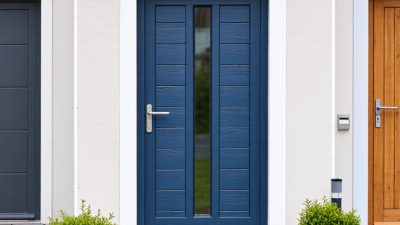
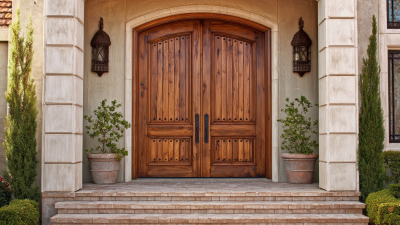
Exterior doors differ in both skin and core. Steel doors usually pair a formed metal face with a foam-filled core, offering a sturdy, relatively low-maintenance option. The trade-off is that the surface can dent, and damaged coatings may allow rust. Fiberglass resists moisture and can imitate wood grain, but quality varies. Wood has natural warmth and can be repaired, yet it needs regular sealing in exposed locations.

Construction details matter as much as the visible material. Look for tight weatherstripping, insulated glass where included, and a thermally efficient frame. A heavy slab can still leak air if its threshold or jamb is poorly fitted. Check the door’s U-factor on its rating label; lower values indicate less heat transfer. Installation deserves scrutiny, too. A small gap at the latch side can undermine an otherwise well-insulated assembly.

Cost and resale figures offer context, not a promise. Zonda’s 2024 Cost vs. Value Report estimated a national average steel entry-door replacement cost of $2,355 and a resale value of $4,430. That modeled 188.1% cost recovery, but local prices and home condition can shift the result. I would not choose by payback alone. In a rainy entry, moisture resistance may matter more than a wood-like finish; in a cold, windy one, seals and frame fit deserve close inspection.

How Security, Insulation, and Weather Resistance Compare

The best exterior door depends on the exposure it must handle. Steel doors generally resist forced entry well, but a thin slab can still flex, and a weak frame can fail first. Fiberglass resists moisture and temperature swings, while solid wood offers strength but needs consistent upkeep. Check the complete assembly: frame, hinges, strike plate, and deadbolt all matter. Small gaps matter.

Insulation is not only about the door’s core. The U-factor on an NFRC label shows how readily heat passes through; a lower value means better insulation. The U.S. Department of Energy estimates that air leaks account for 25–40% of heating and cooling energy use in a typical home. That figure covers the whole home, not one doorway, but it shows why a tight perimeter seal matters. A cold draft at the threshold can undermine an otherwise well-insulated slab.

Weather resistance depends on local wind, rain, and sun exposure. FEMA’s wind-retrofit guidance emphasizes protecting openings and their connections, not just choosing a heavy door. In coastal or storm-prone areas, look for tested impact and water-penetration performance appropriate to the site. A canopy may help shield a door from direct rain, yet it cannot compensate for poor flashing or worn seals. It is easy to focus on the slab and overlook the installation. That is a common blind spot.

What Is the Best Type of Exterior Door?

Insulation, security, and weather resistance depend on the whole door system—not just its surface material.

How to read this chart: Approximate R-values per inch are about 6.25 for polyurethane foam, 4.0 for expanded polystyrene (EPS), and 1.2 for solid wood. These are material-level figures, not ratings for complete doors; actual performance varies with construction, thickness, glazing, frame, and weatherstripping.

Choosing a door: Insulated steel and fiberglass doors can both provide strong thermal performance when well built and properly sealed. Steel offers a rigid barrier, while fiberglass resists moisture and corrosion; wood can also perform well but needs regular finish maintenance. For security and weather resistance, check the complete door’s construction, frame, lock, threshold, and seals.

Which Home and Climate Factors Shape Door Selection

What Is the Best Type of Exterior Door?

Which Home and Climate Factors Shape Door Selection

The right exterior door depends on weather exposure, insulation, and how your home is built. In a hot, sunny region, a shaded entry may need little glazing, while a west-facing door can take harsh afternoon sun. In cold or windy areas, a well-fitted insulated door and careful weatherstripping help limit drafts. The U.S. Department of Energy’s Energy Saver guidance estimates that heating and cooling account for about 43% of household utility bills, making air leaks around an entry worth addressing. Small gaps matter.

Material choices should match both climate and upkeep. Fiberglass resists moisture and temperature changes, while steel often offers strong insulation for its cost; either can perform poorly if the frame or seals are neglected. Wood can suit a sheltered entry, but exposed edges need regular care in damp or coastal conditions. For doors with glass, check the National Fenestration Rating Council label: a lower U-factor signals less heat transfer, while solar heat gain coefficient indicates how much sunlight enters. These ratings help compare products, but they do not account for every detail, such as a deep porch or a drafty hallway. I would not choose by material alone. Measure the opening, note its sun and wind exposure, and consider how much maintenance you will realistically do.

How to Match an Exterior Door to Your Needs and Budget

What Is the Best Type of Exterior Door?

The right exterior door balances purchase price, insulation, security, and upkeep. Steel often suits tighter budgets and offers a sturdy, low-maintenance entry. Fiberglass costs more in many markets, but resists moisture and can mimic painted wood. Real wood brings warmth and repairability; it may need regular sealing, especially near rain or strong sun. A beautiful door can still be a poor fit.

Budget for installation, too. A door that sticks because its frame is out of square can waste money and weaken the seal. The 2024 Cost vs. Value report from Remodeling magazine estimated a national average of $2,355 for a steel entry-door replacement and $4,430 in resale value. Those figures describe a modeled project, not a guaranteed return; local labor and home condition can change the math. Check the door’s energy ratings and confirm the threshold, weatherstripping, and glass options suit your climate.

Tips: Measure the opening before comparing prices. Ask for an installed quote, not just the slab price. Think honestly about maintenance: will you repaint or reseal wood on schedule? I might choose fiberglass for a wet, exposed porch, though it may exceed the initial budget.